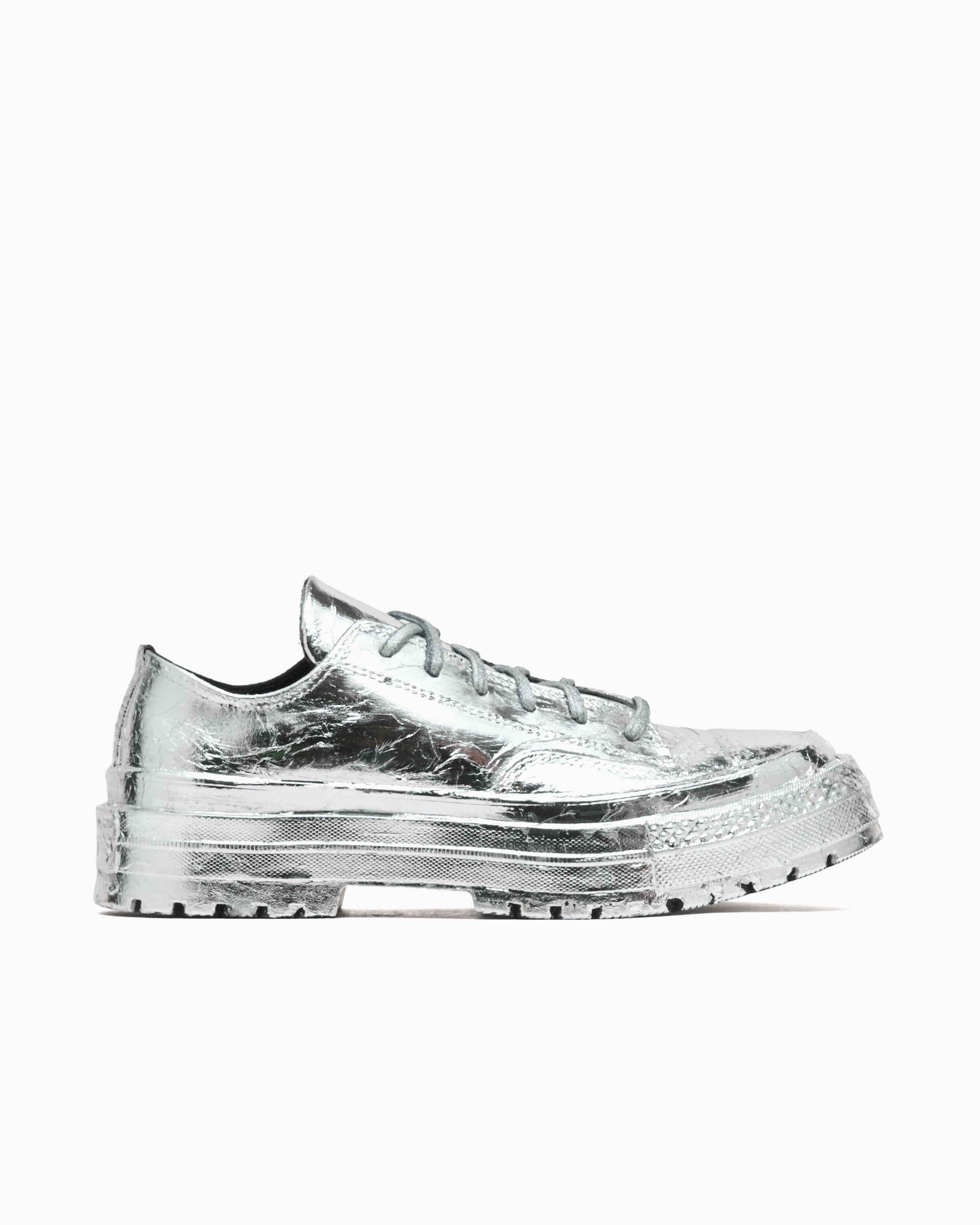
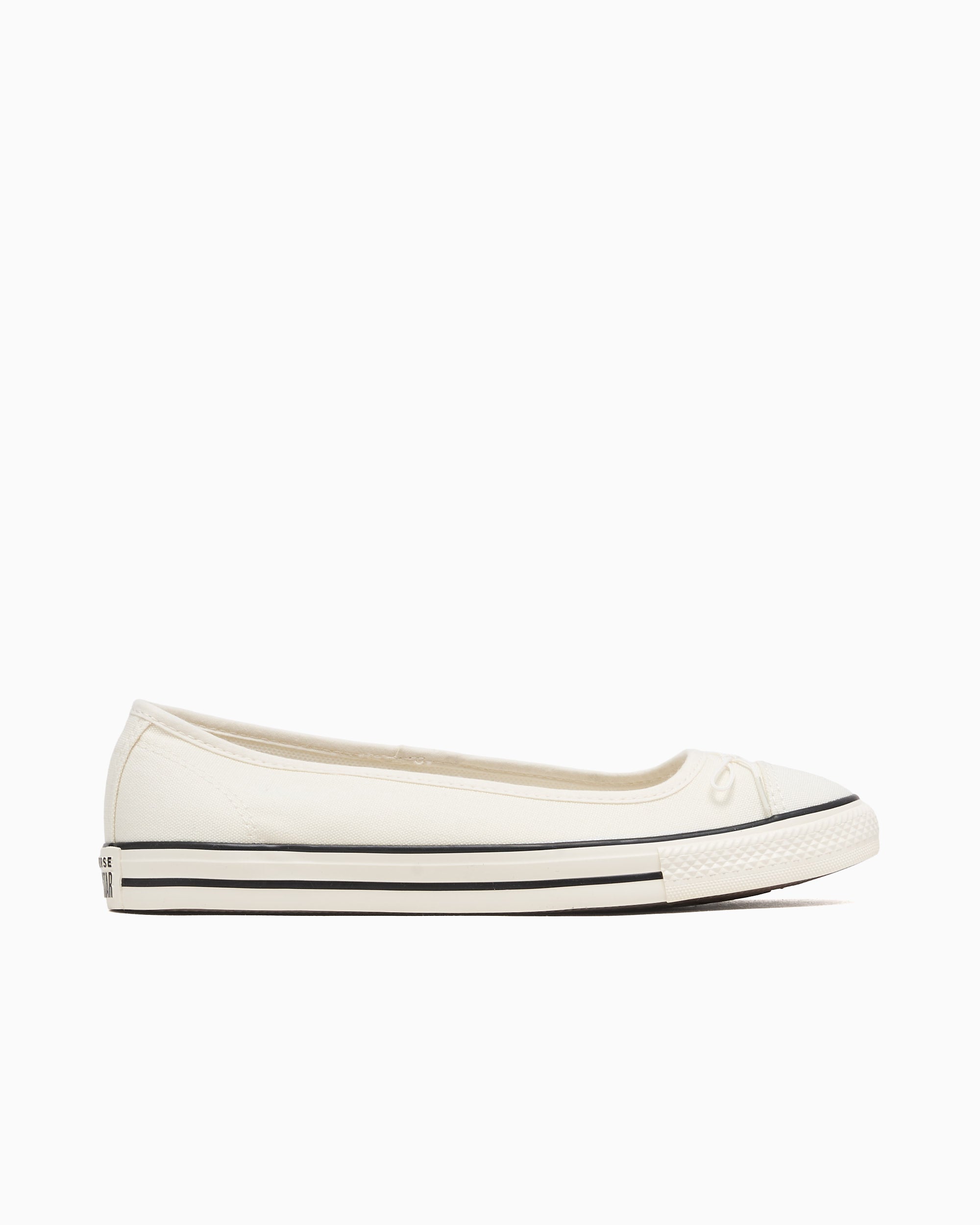
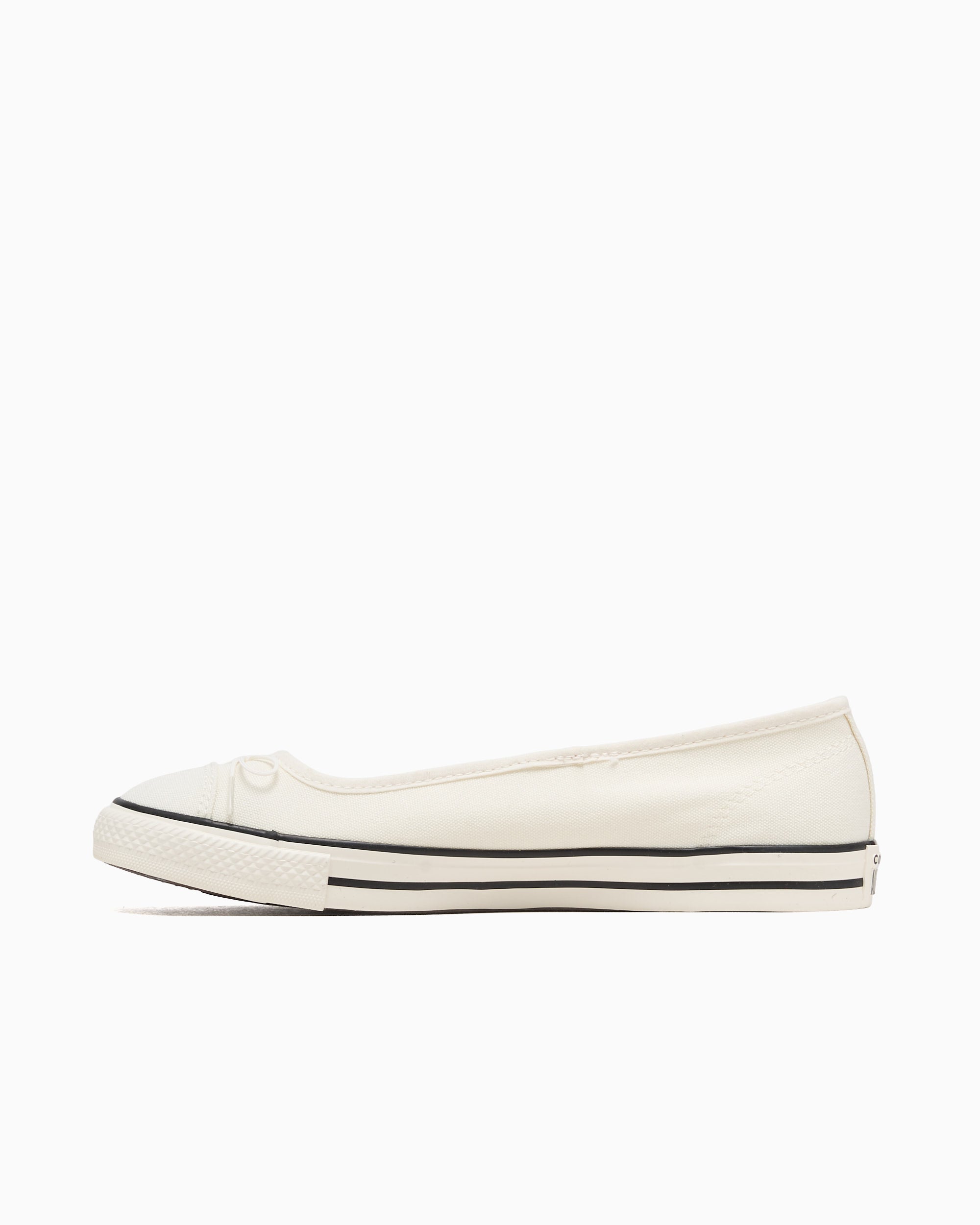
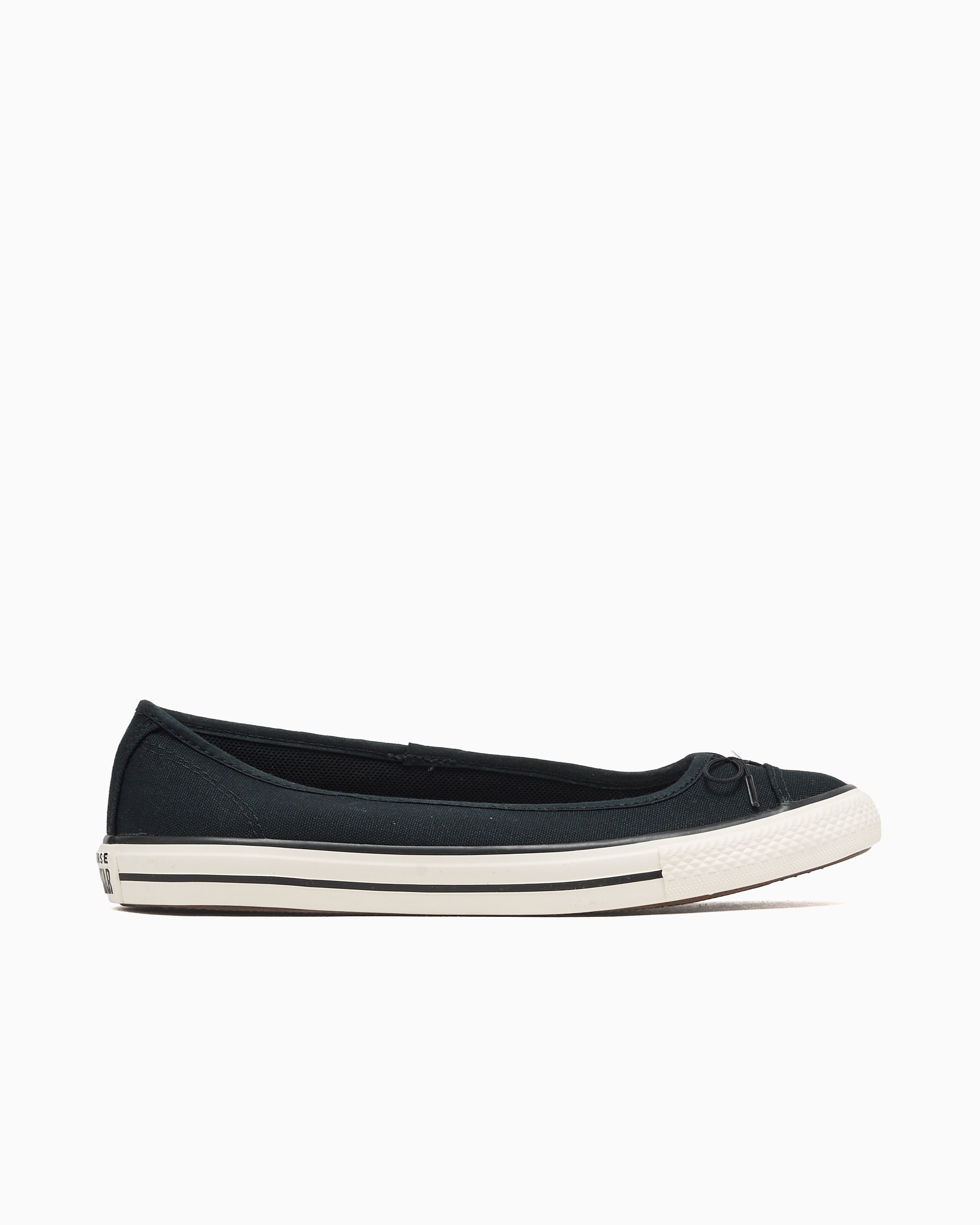
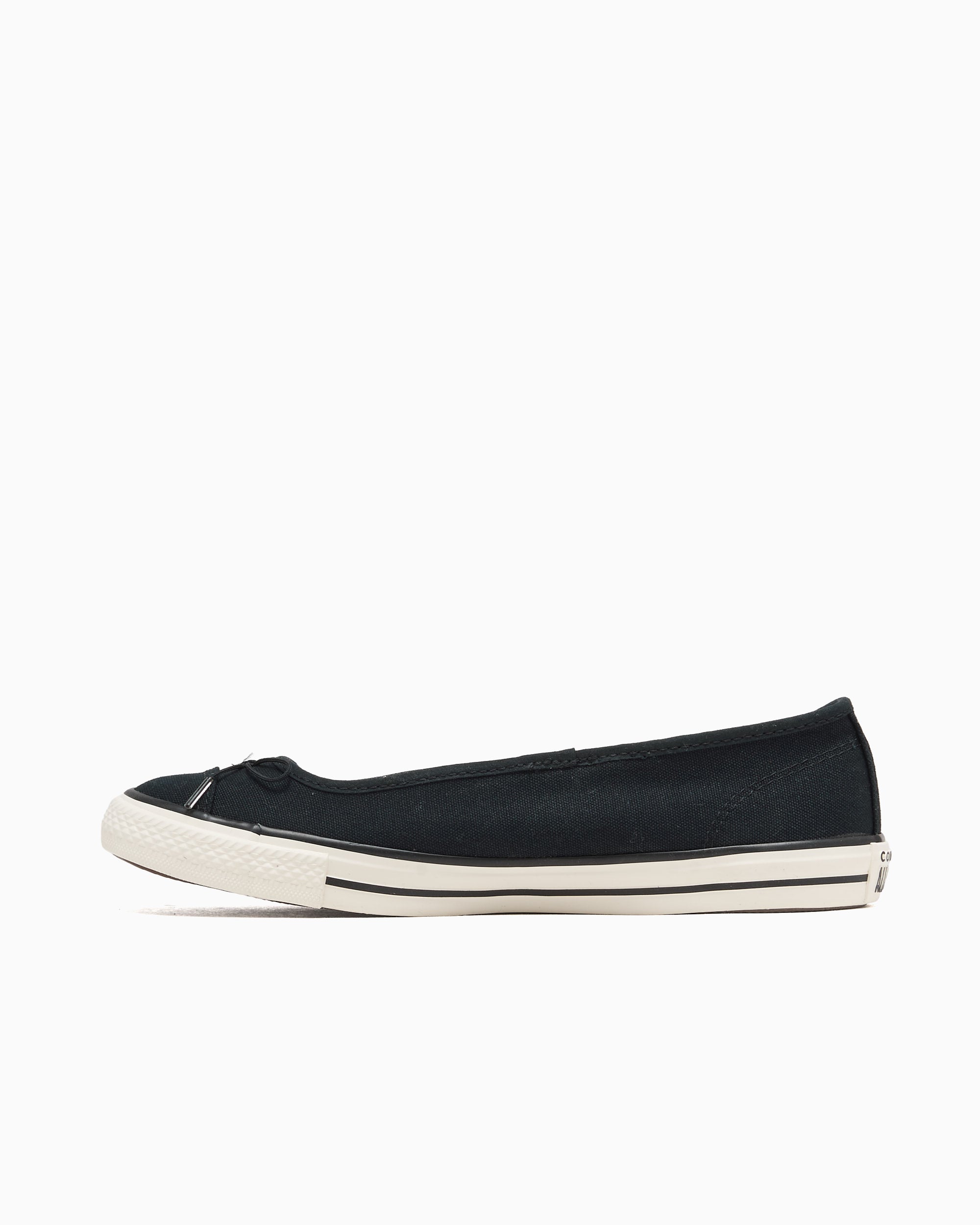
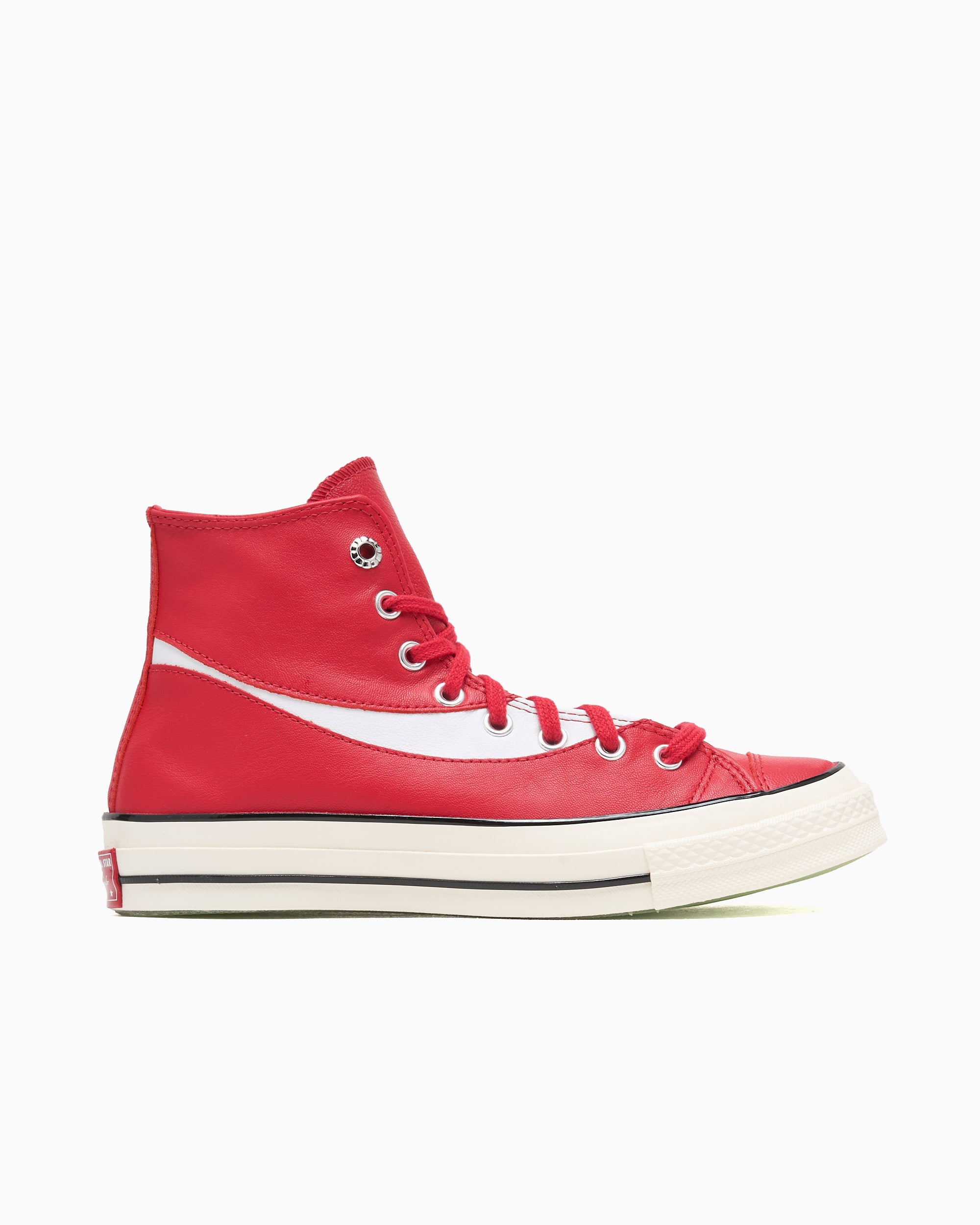
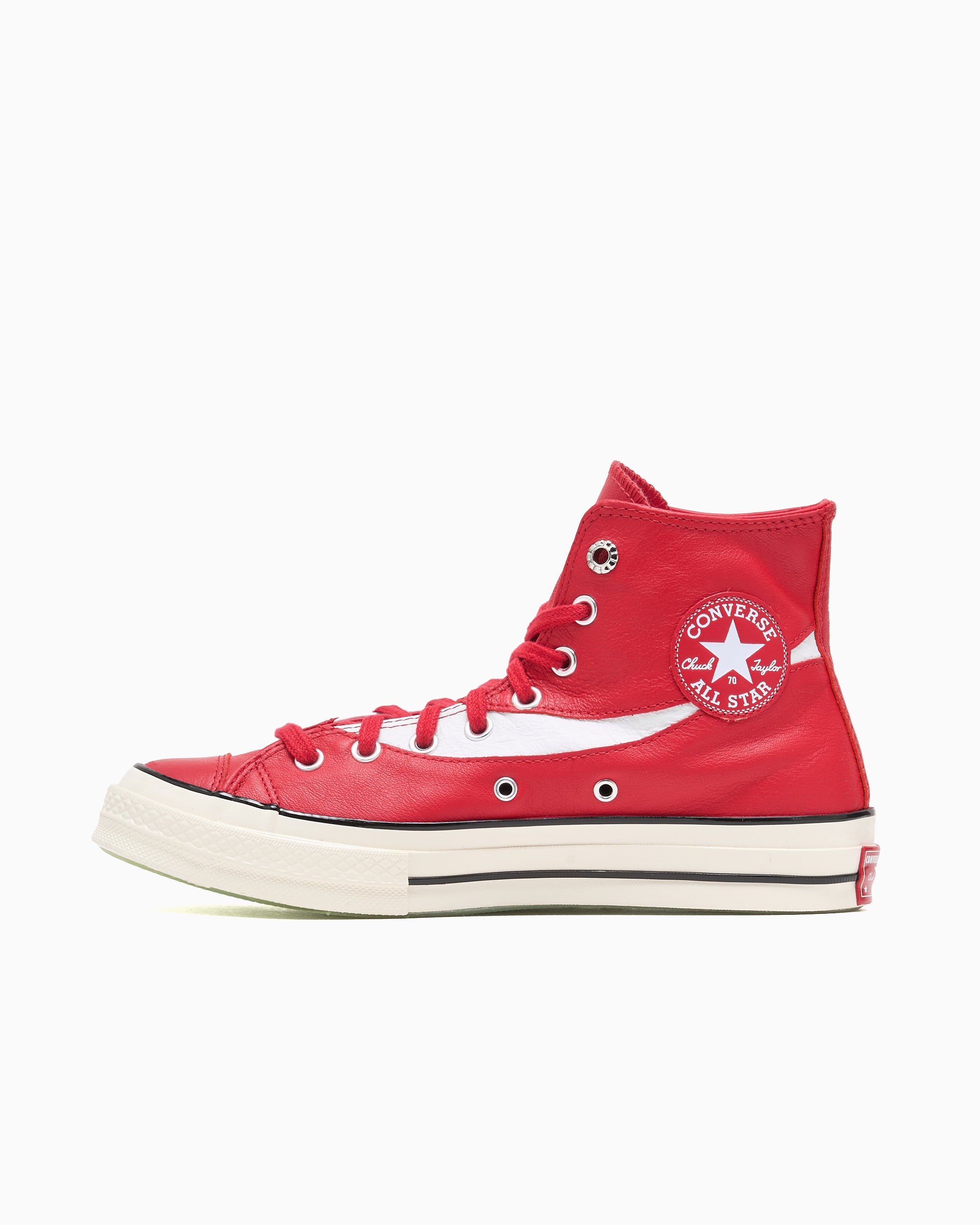
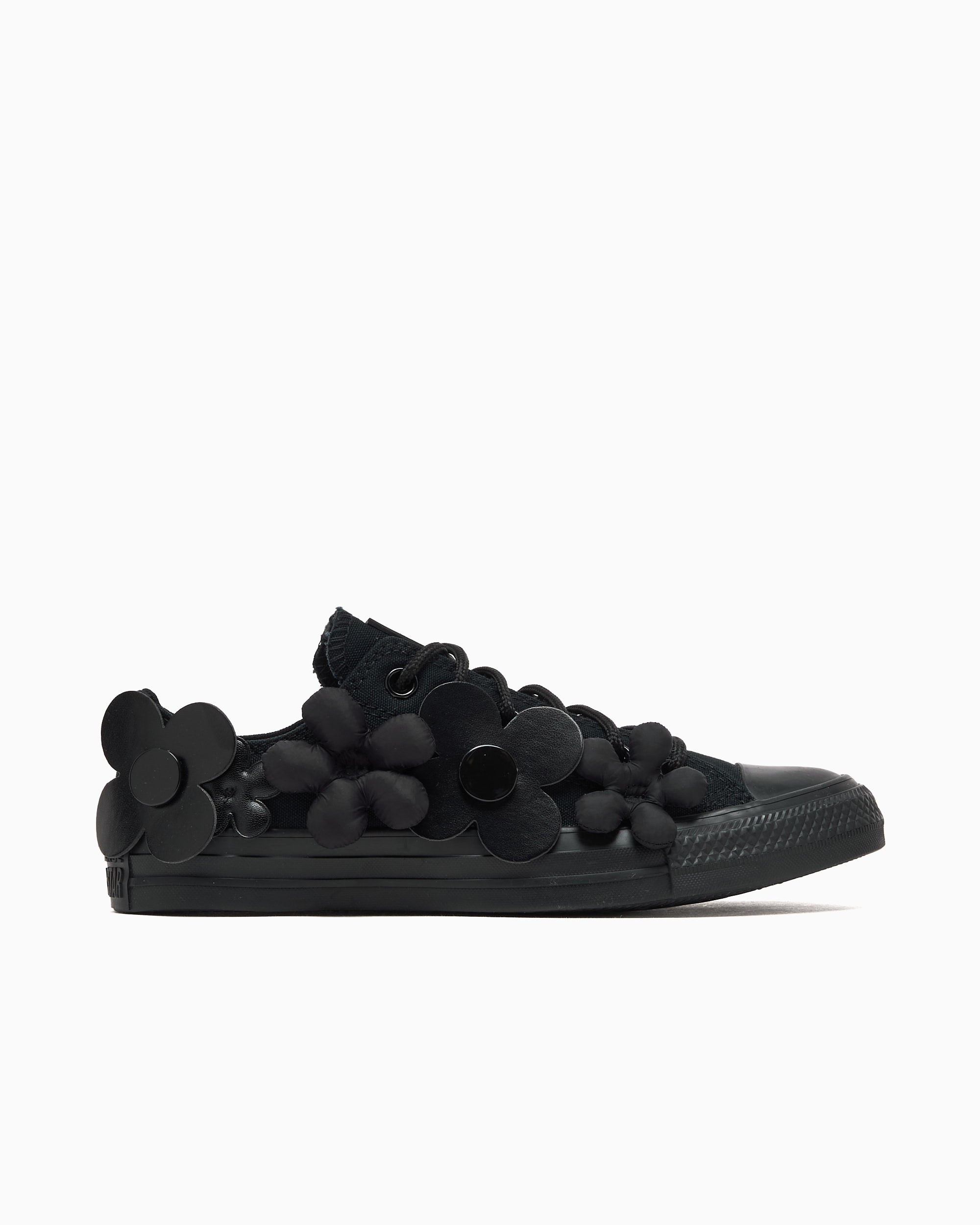
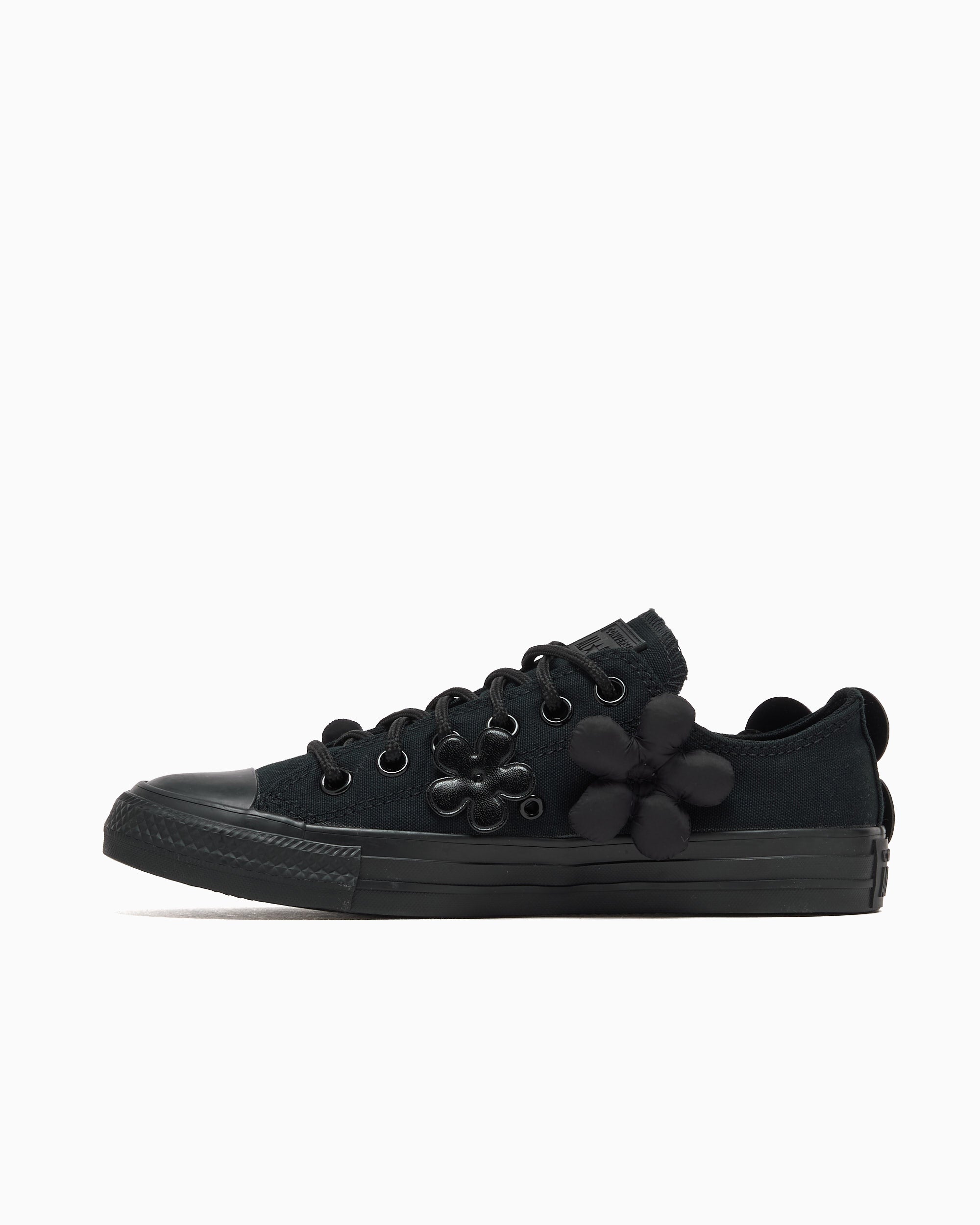
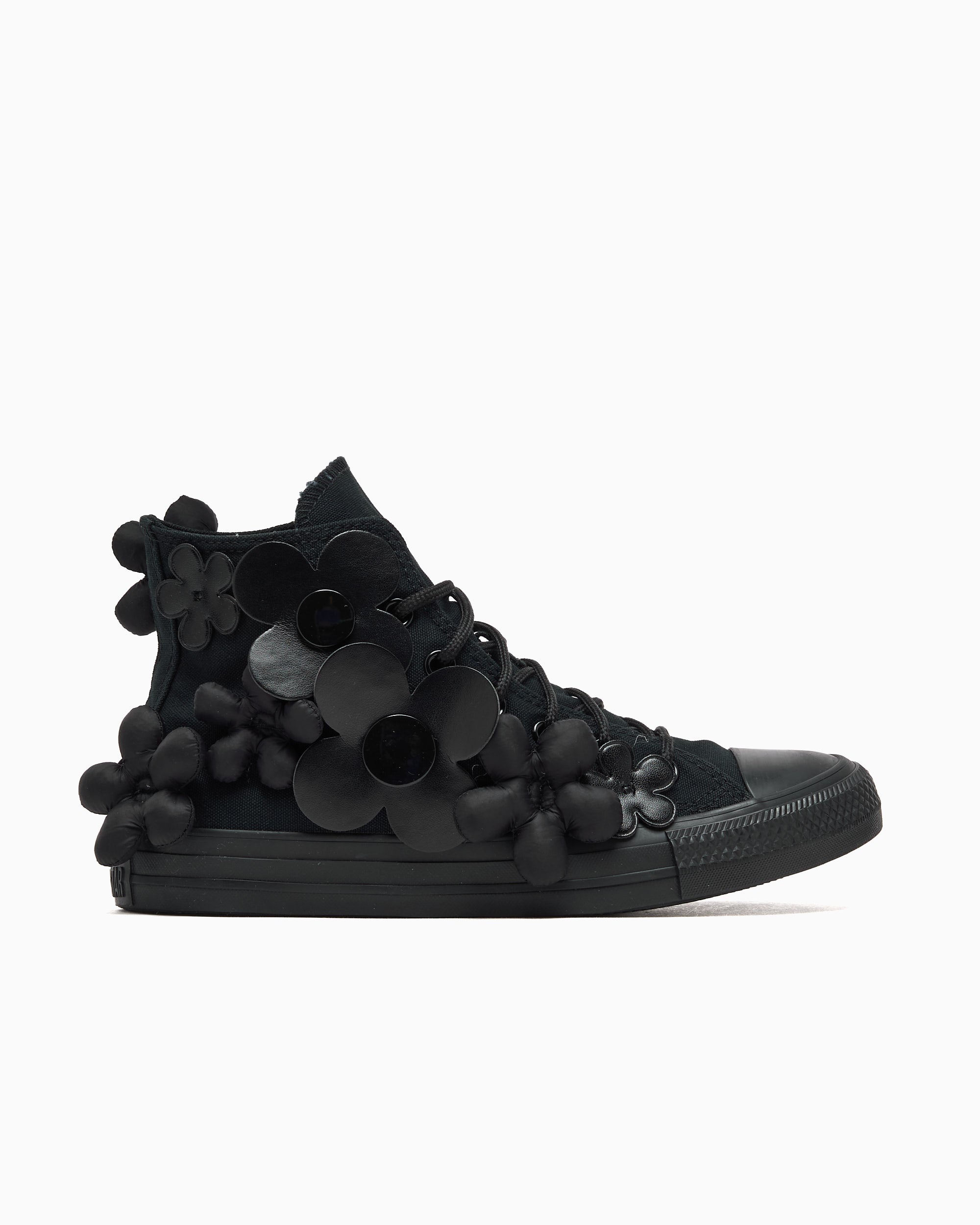
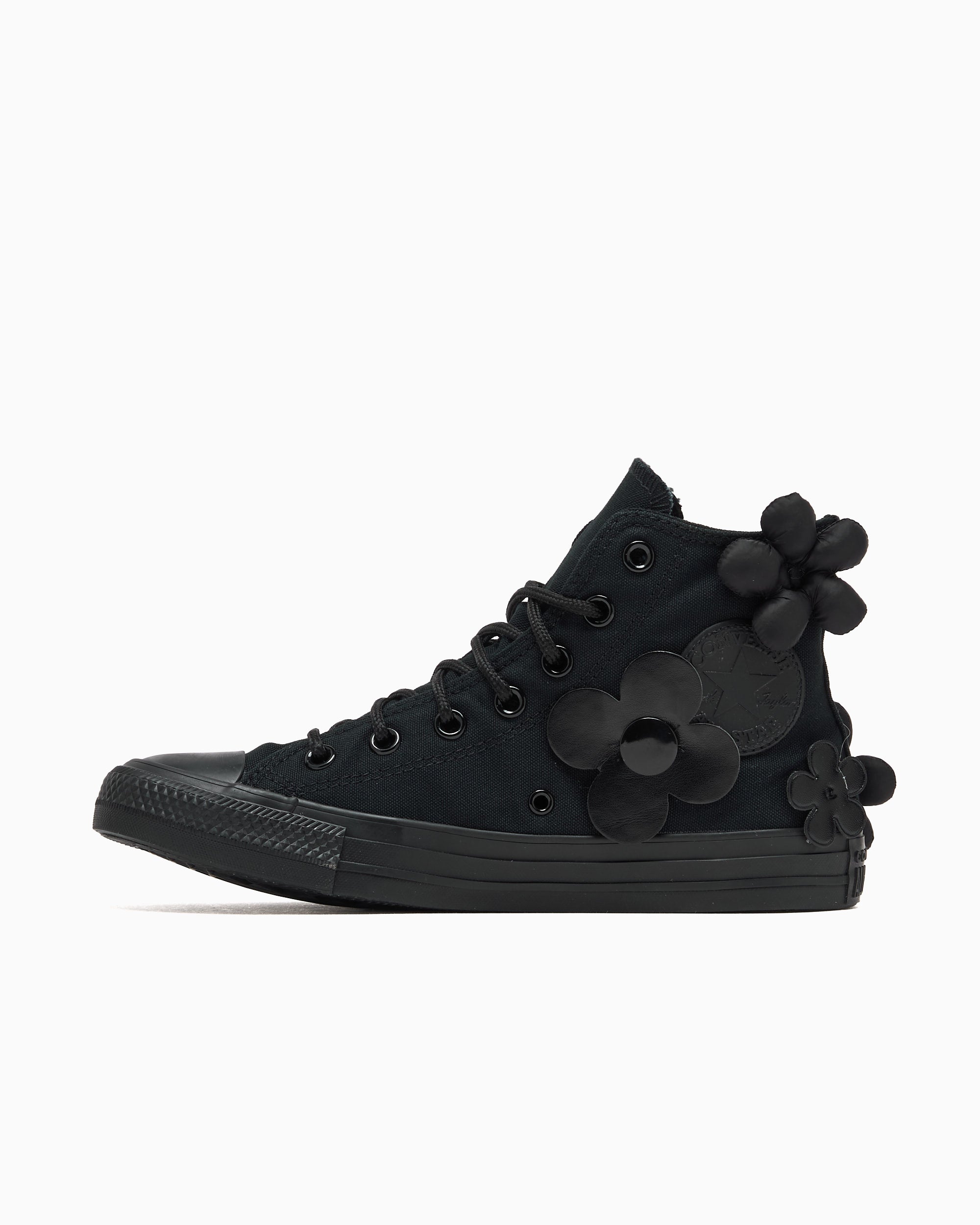
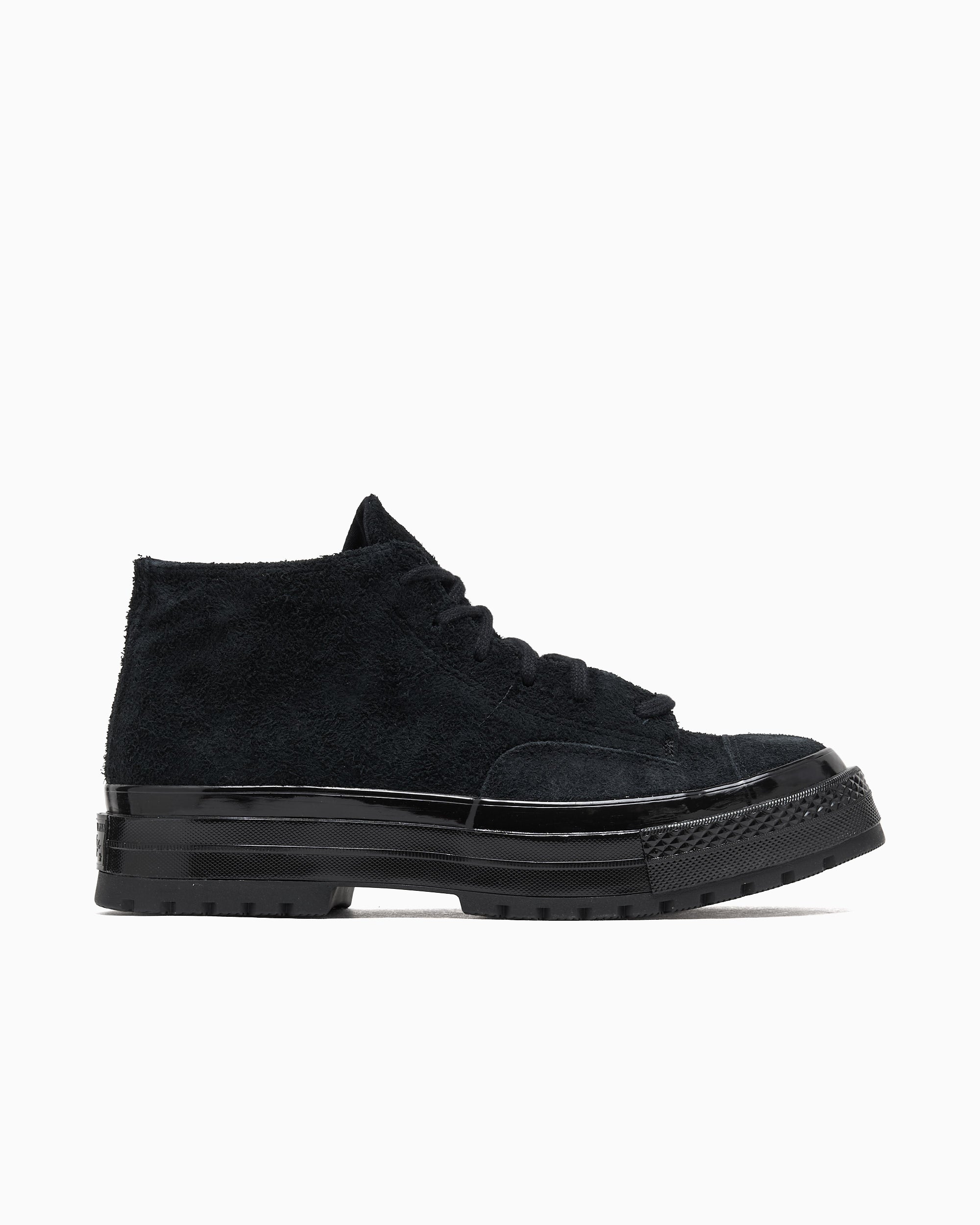
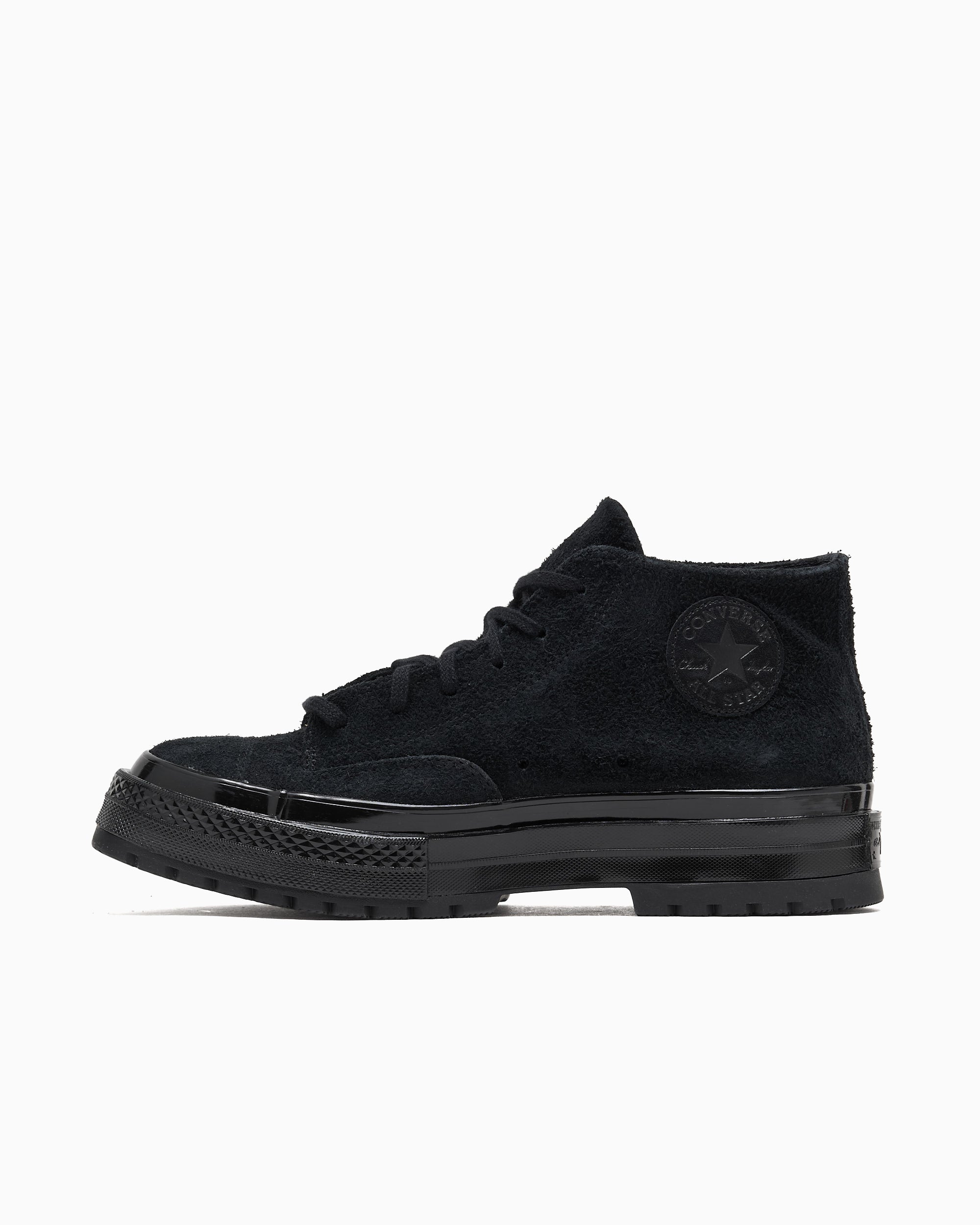
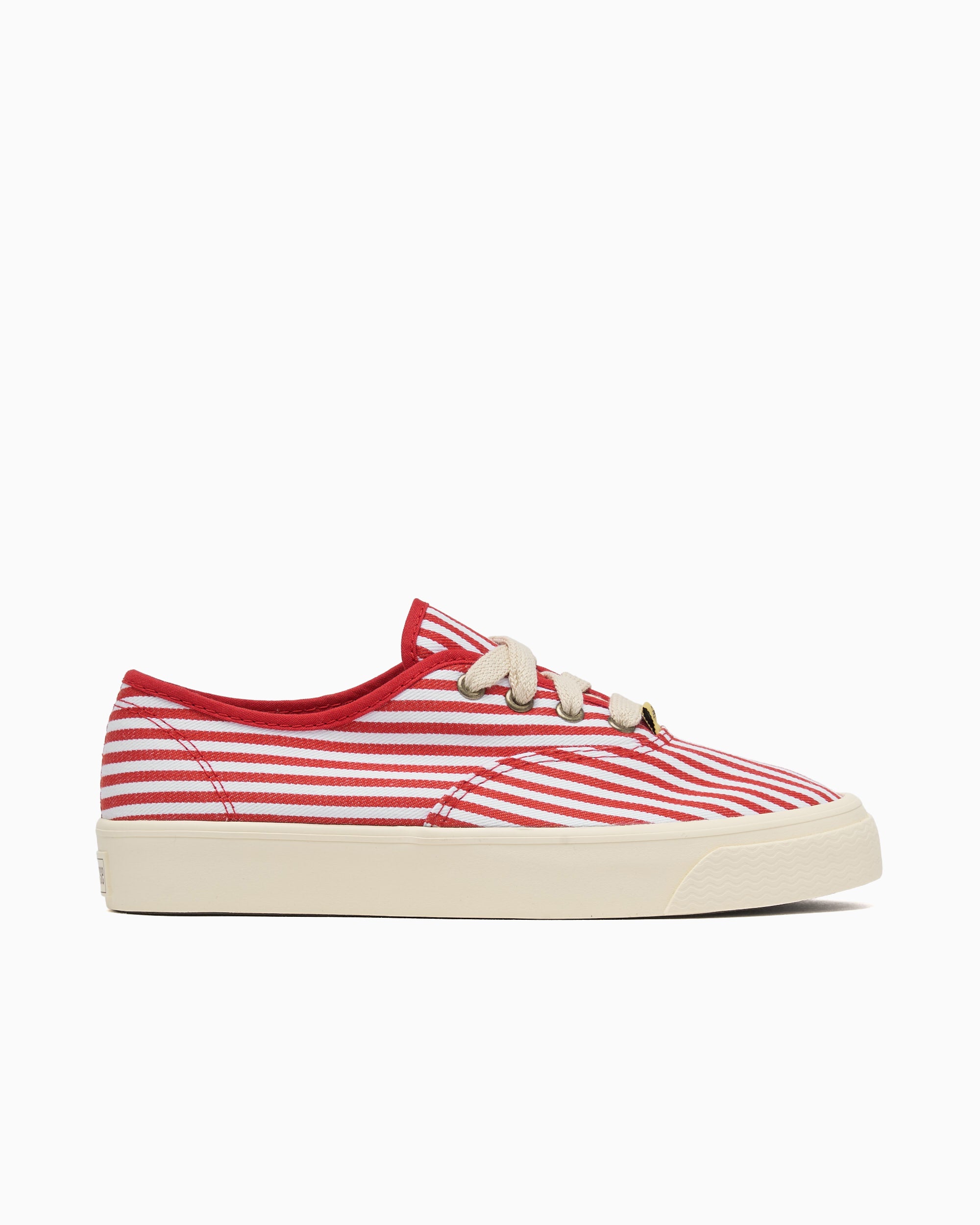
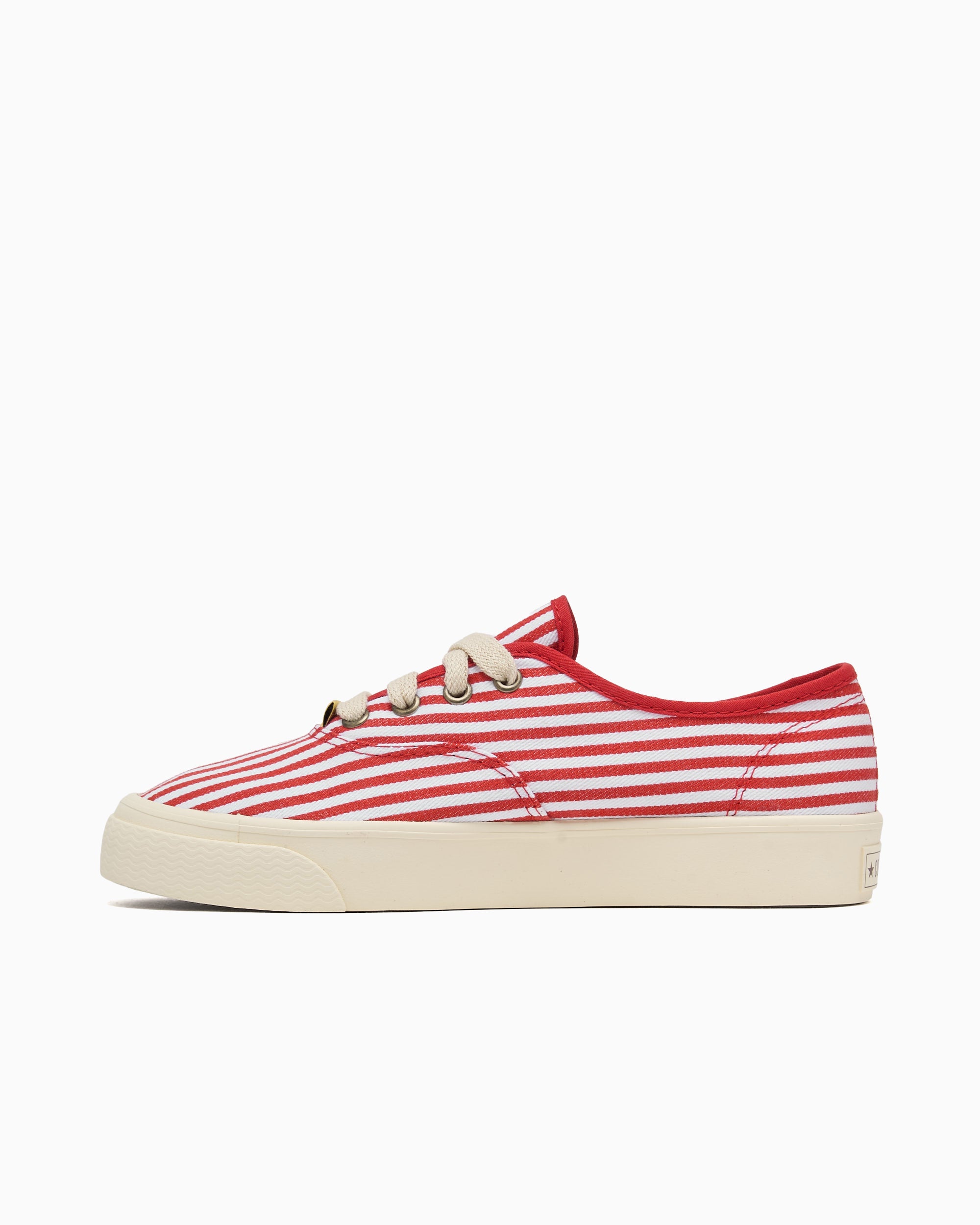
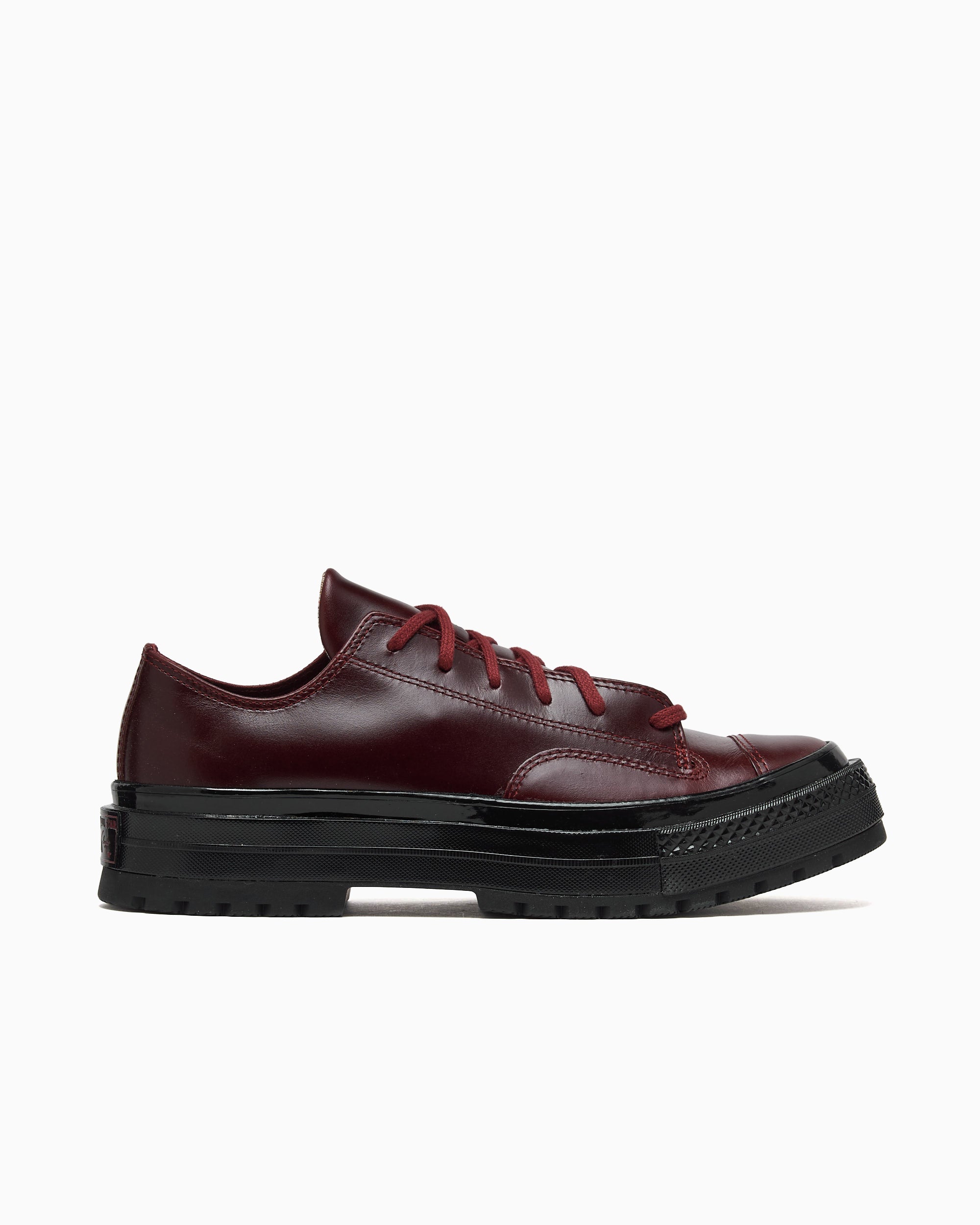
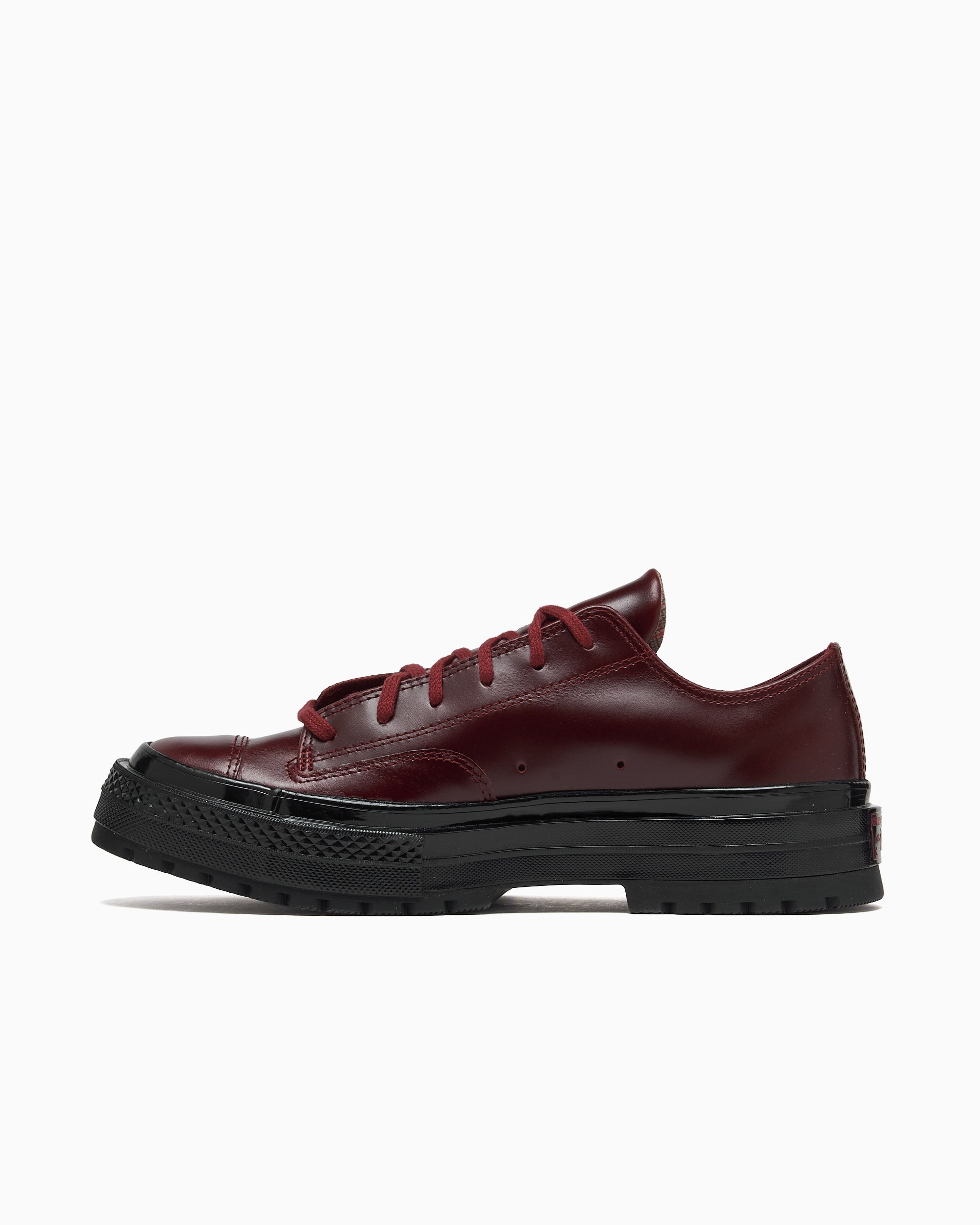
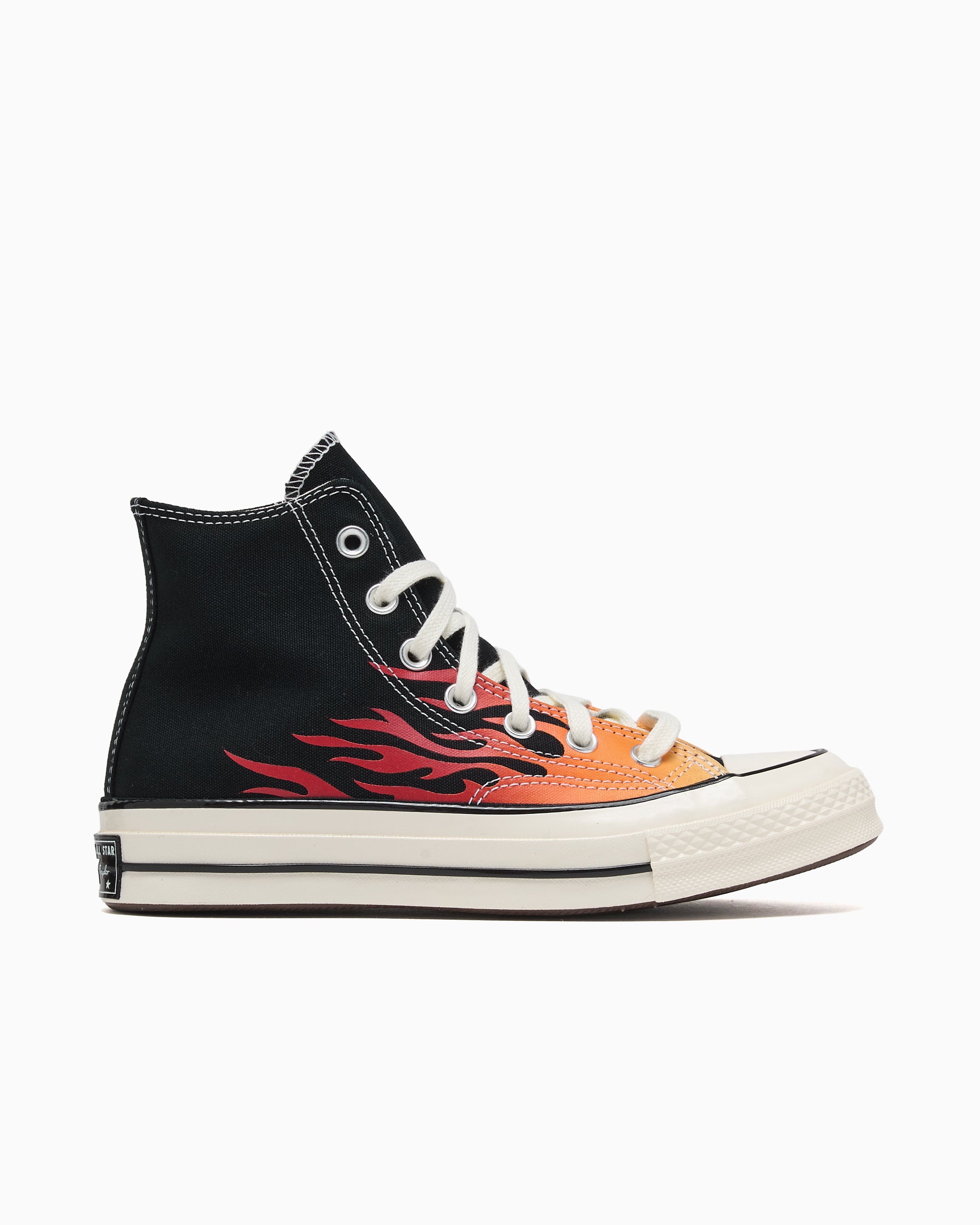
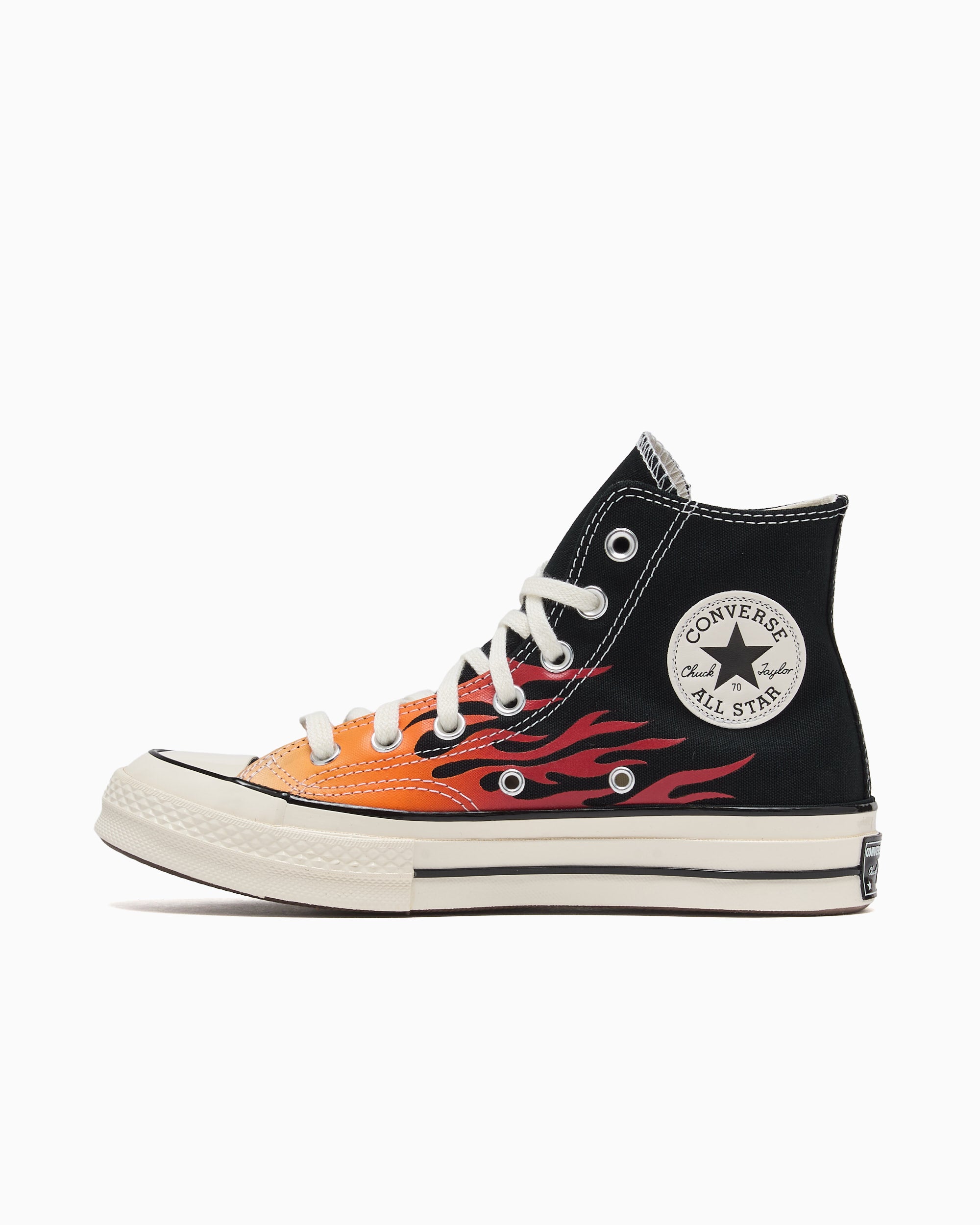
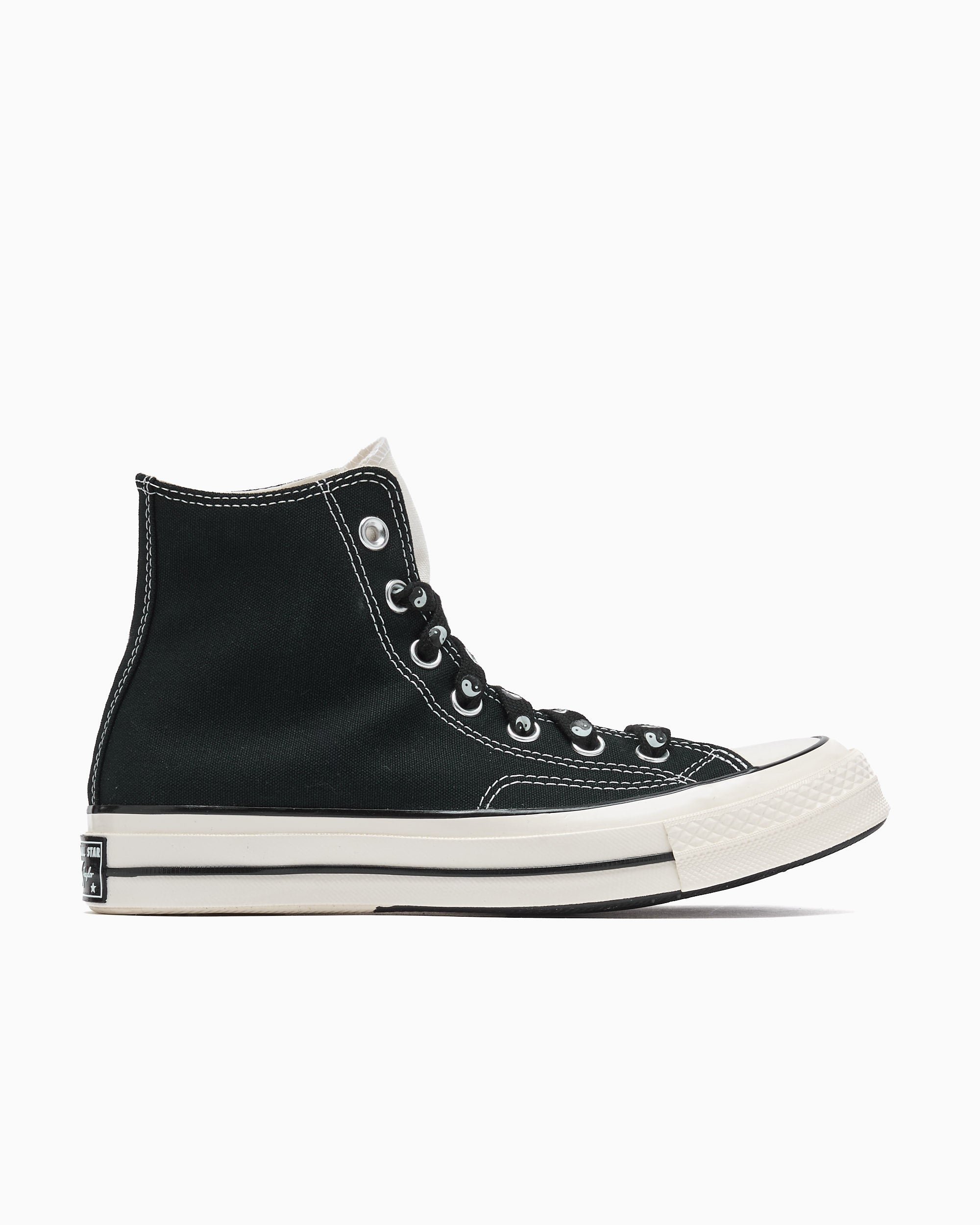
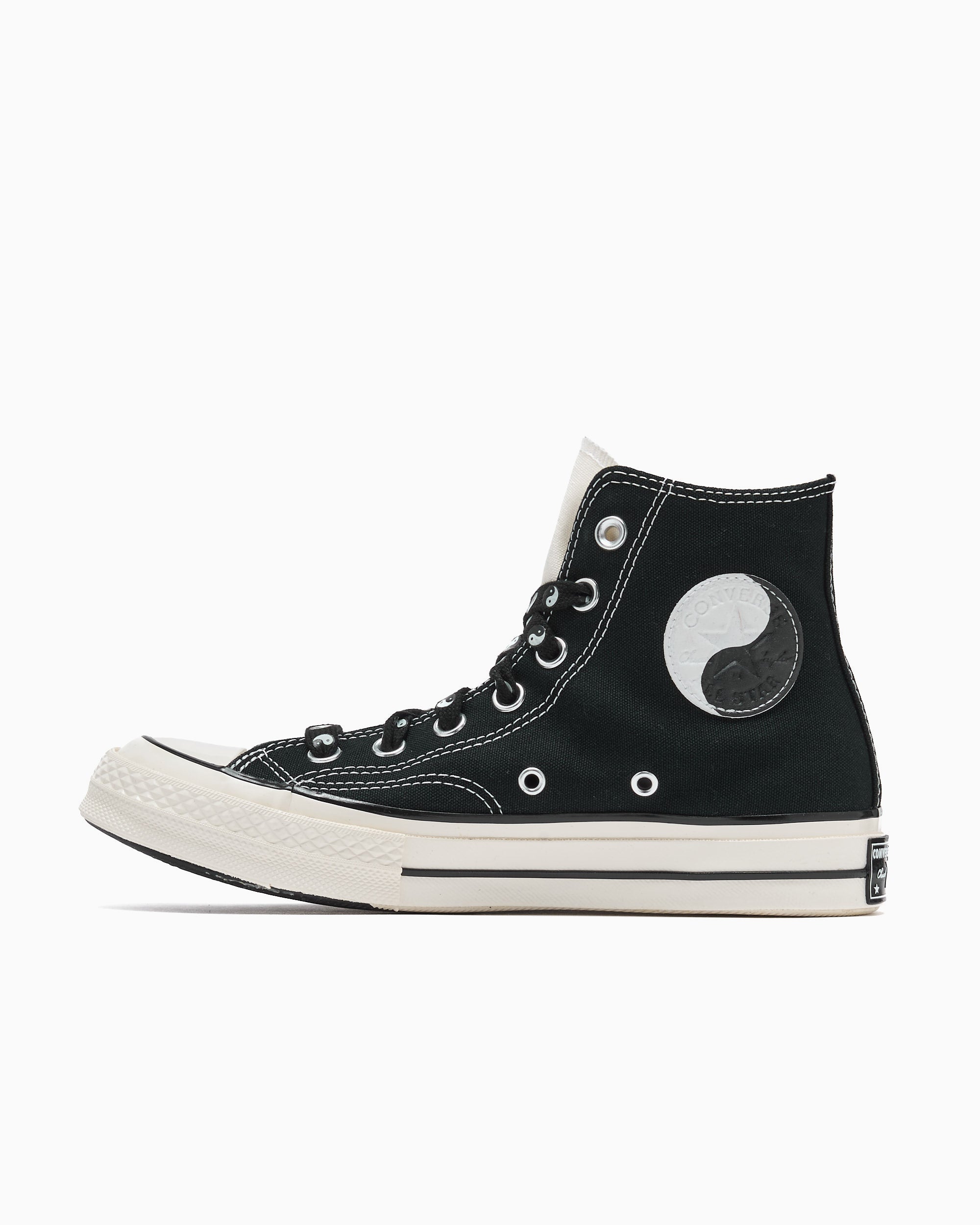
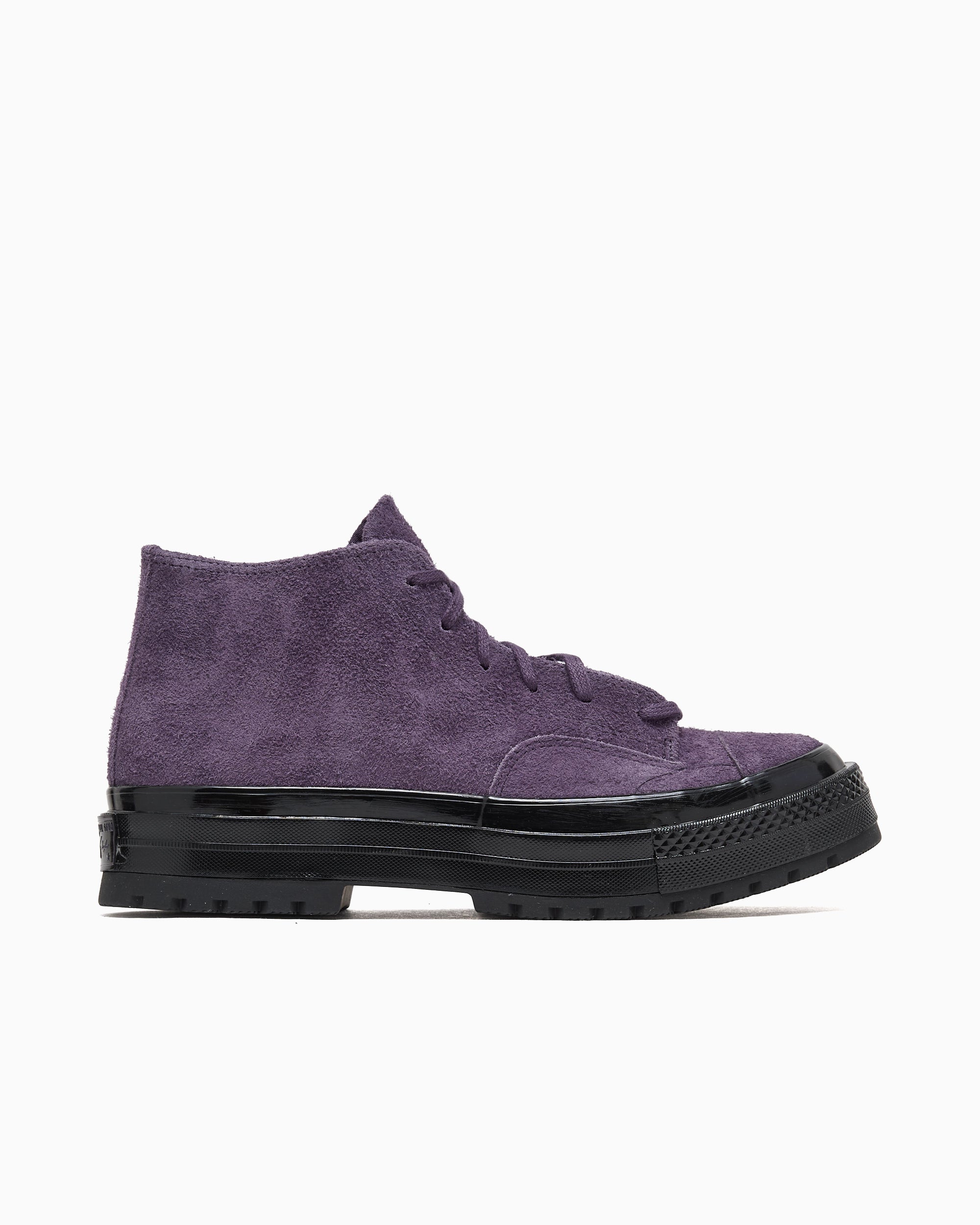
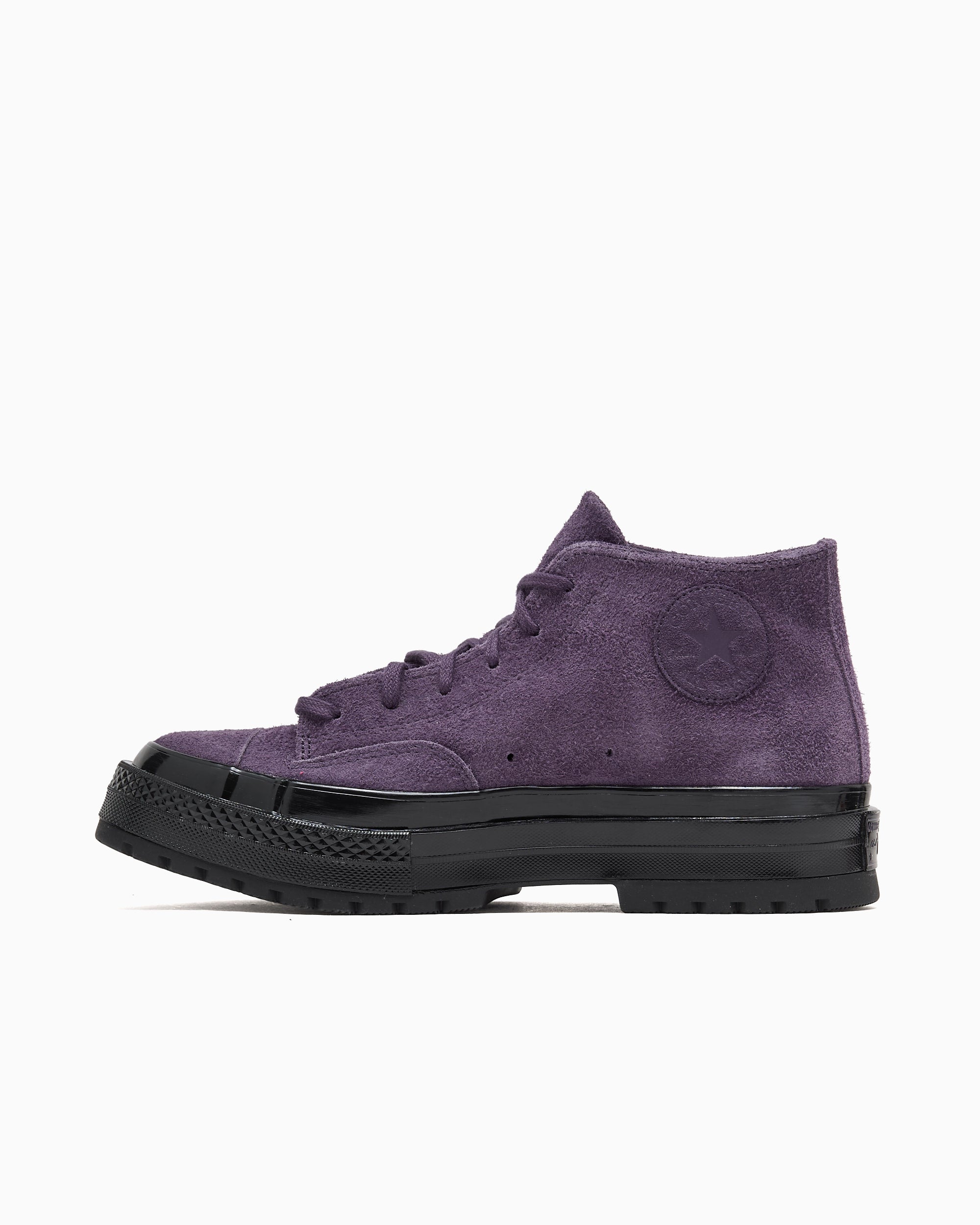
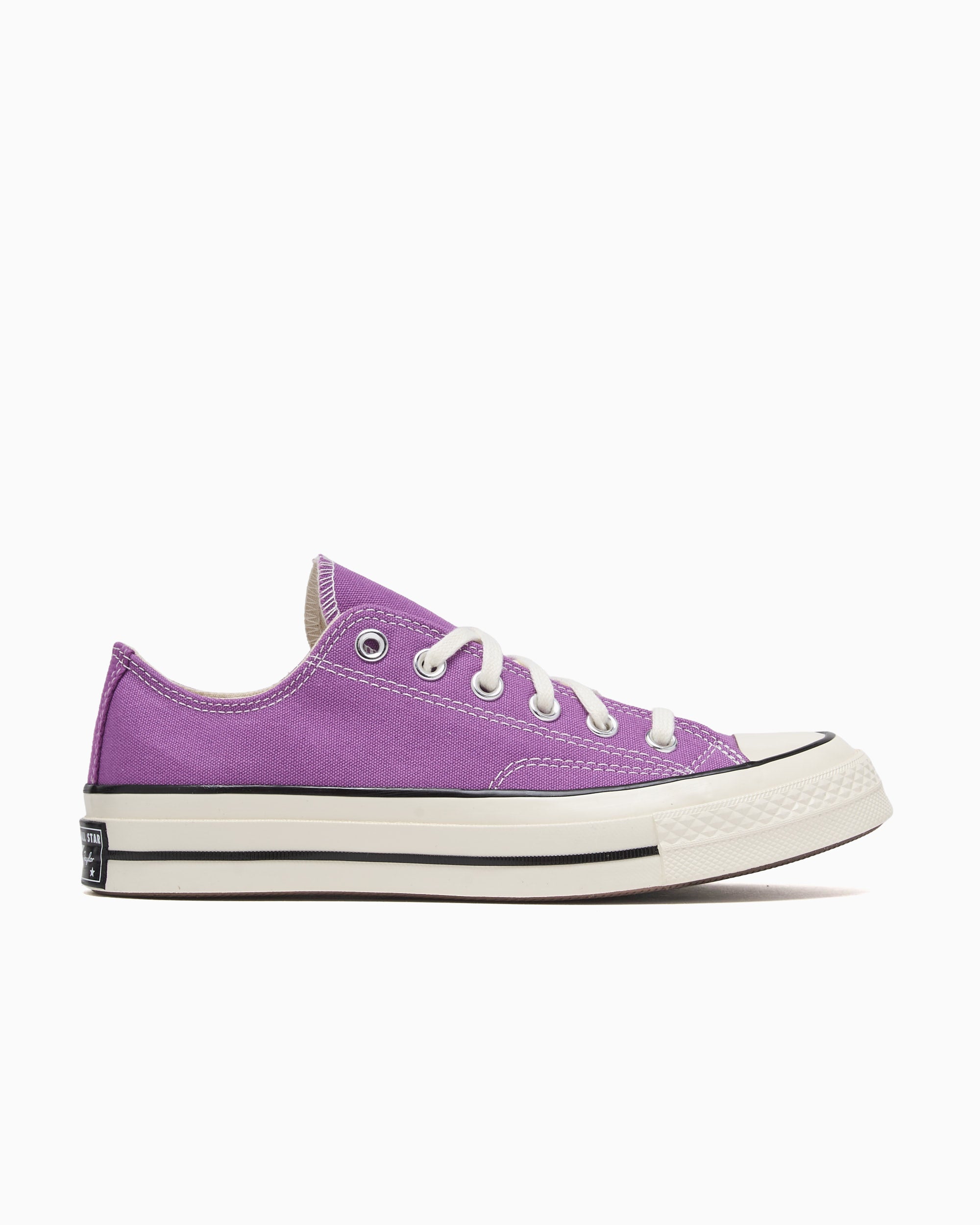
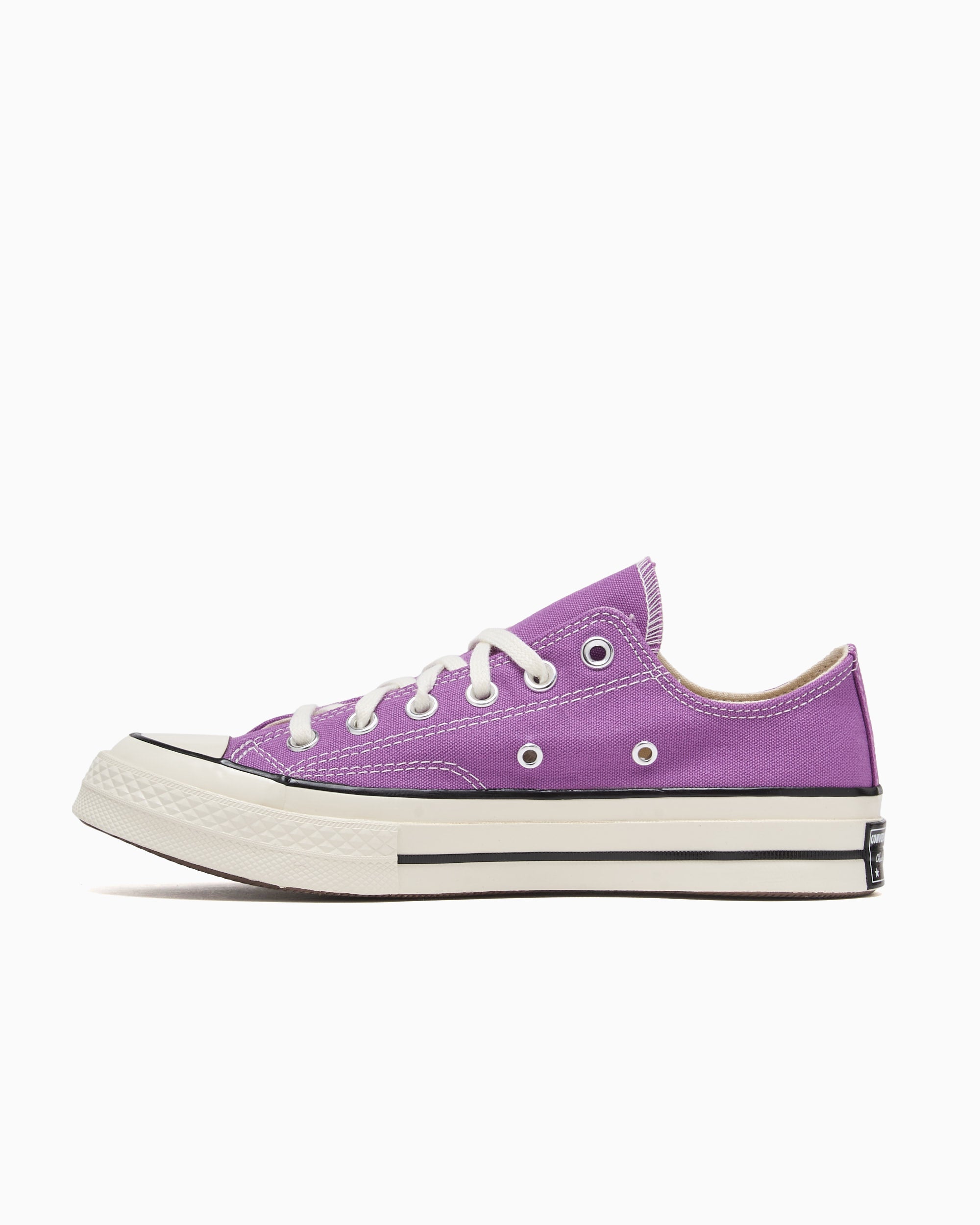
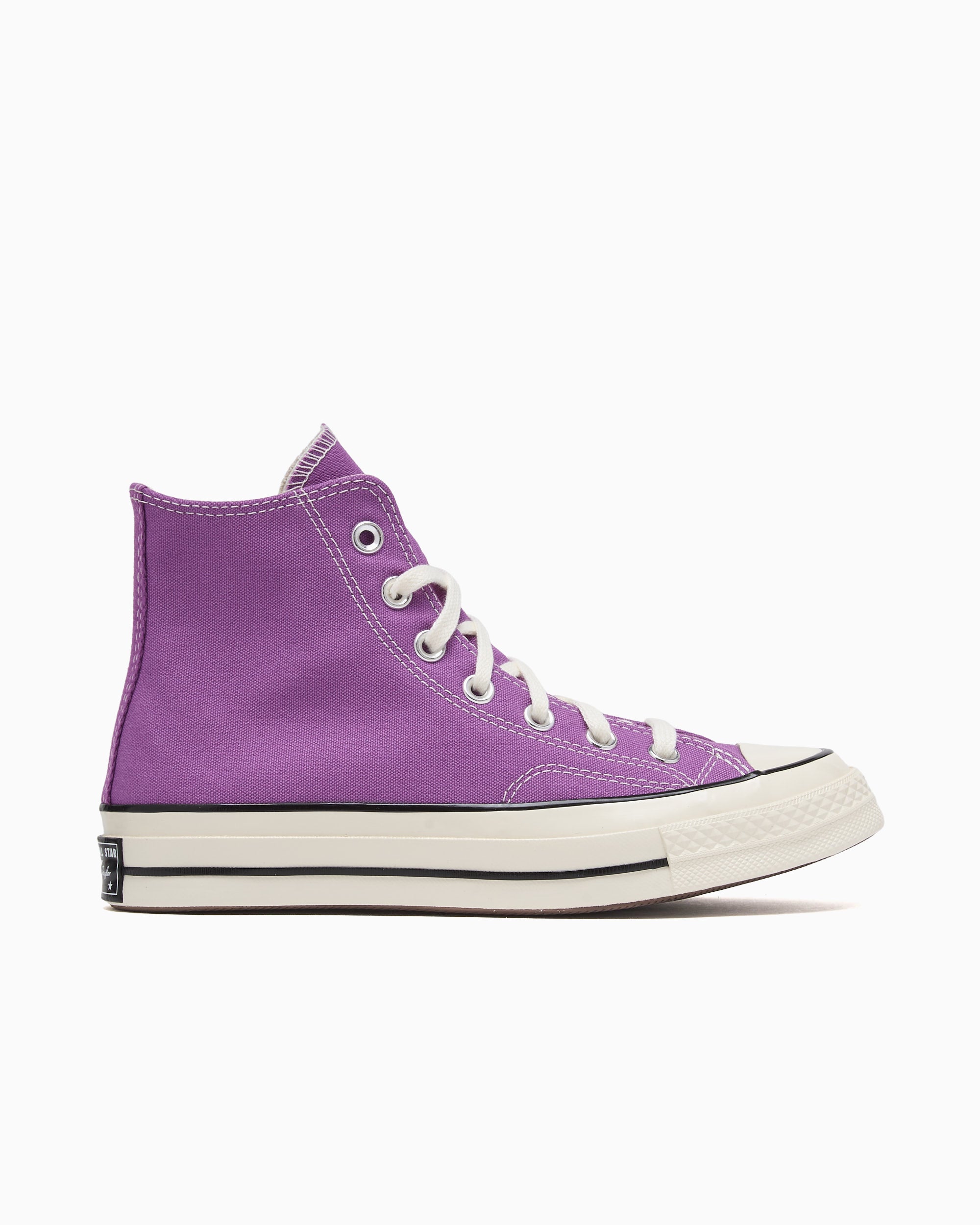
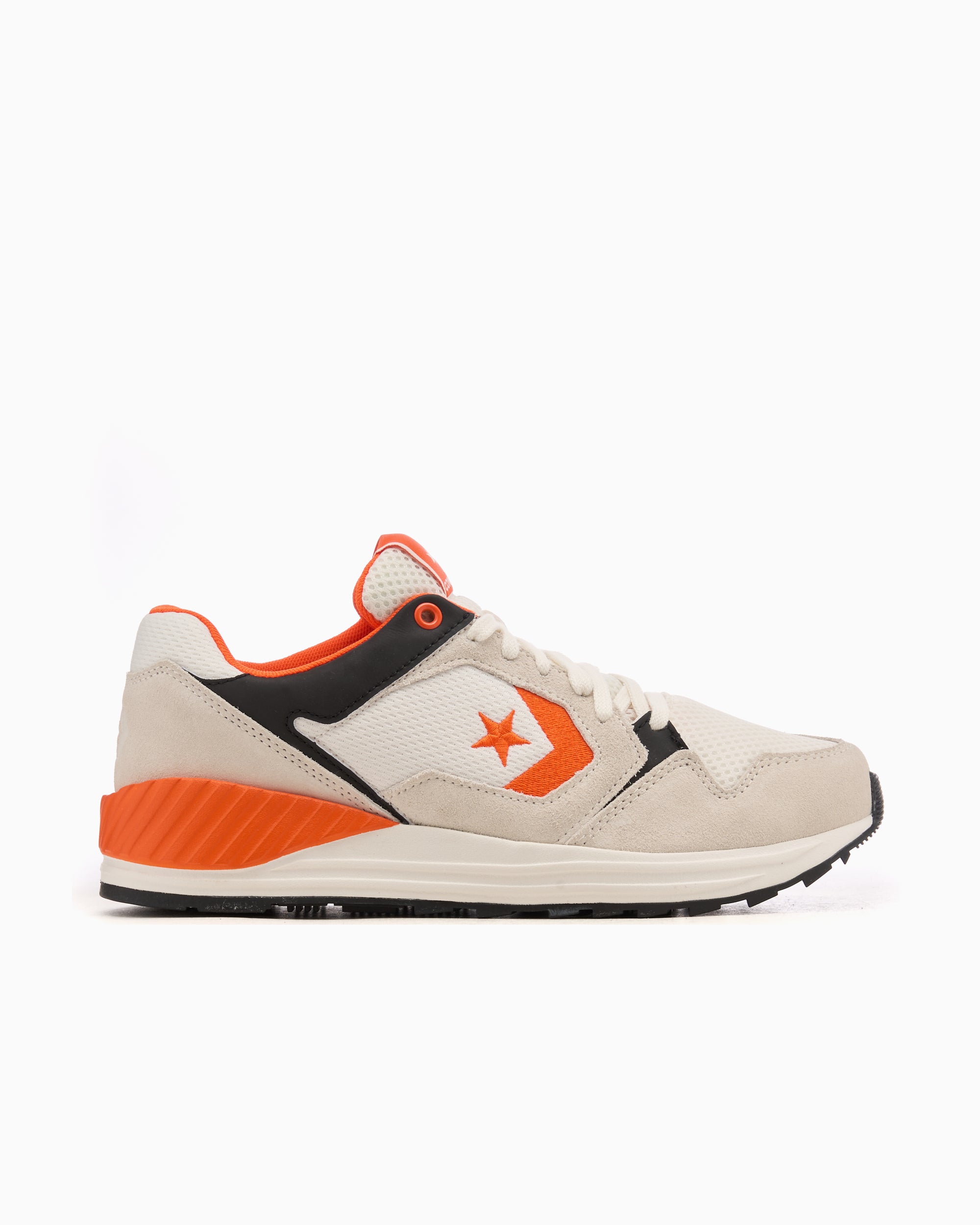
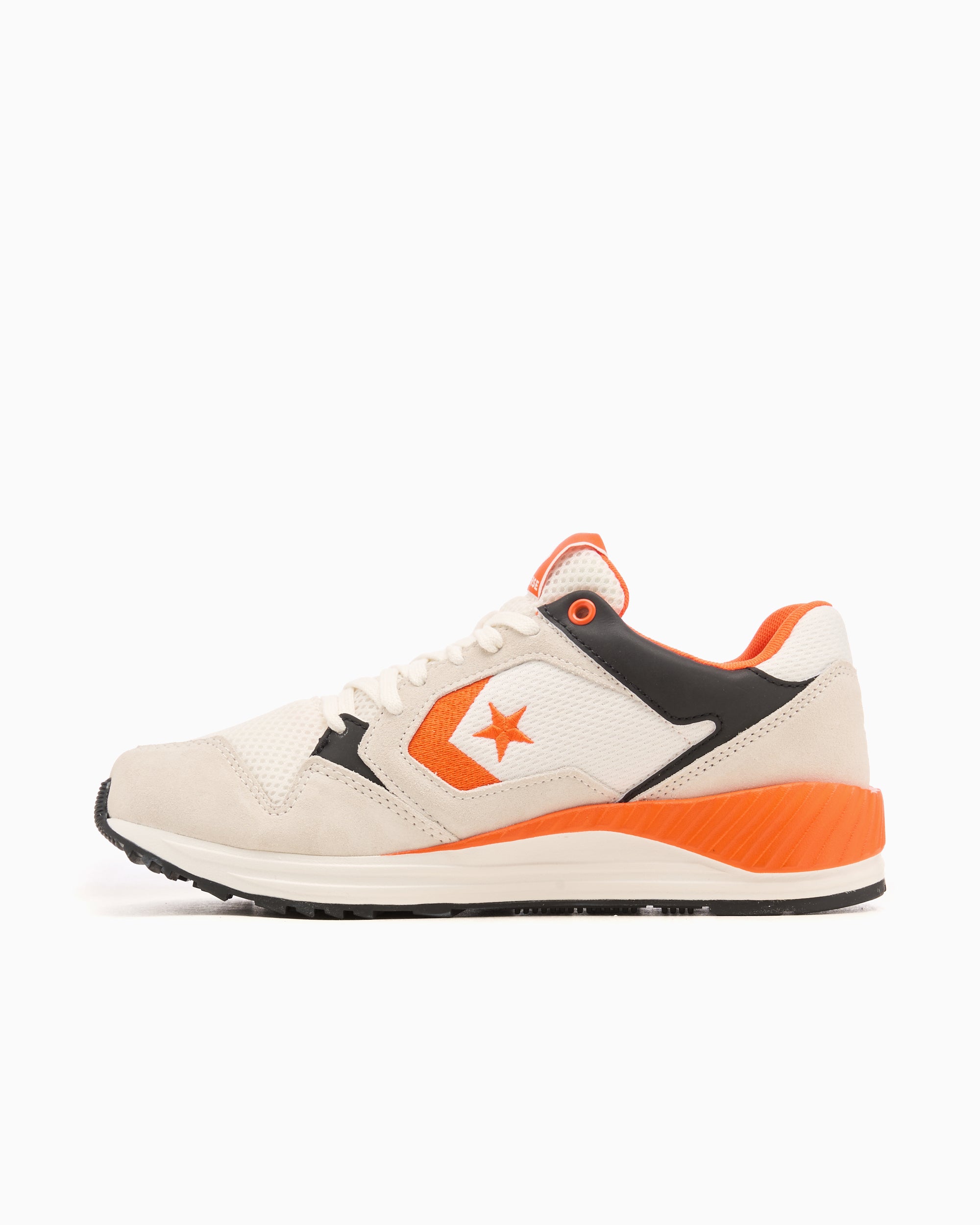
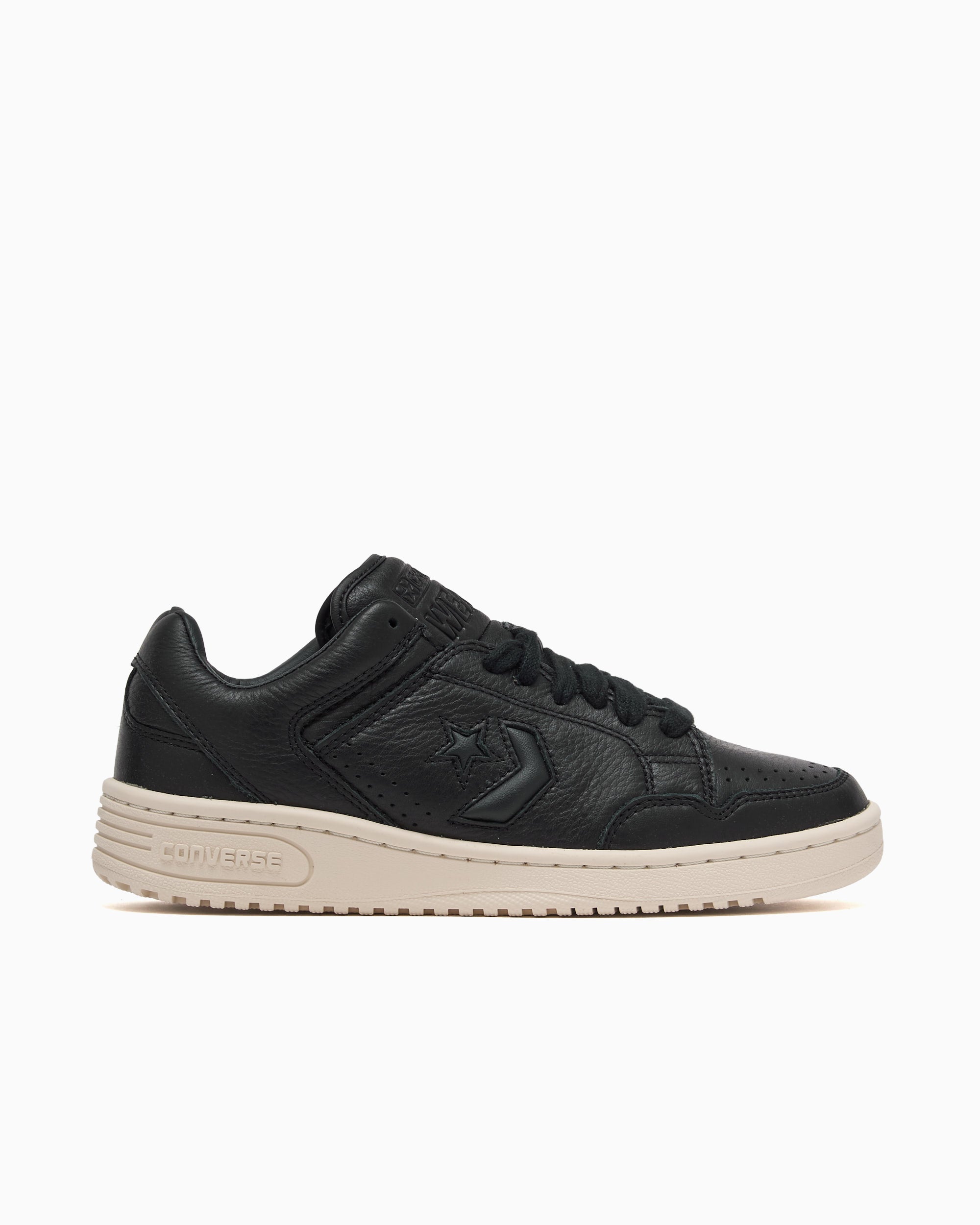
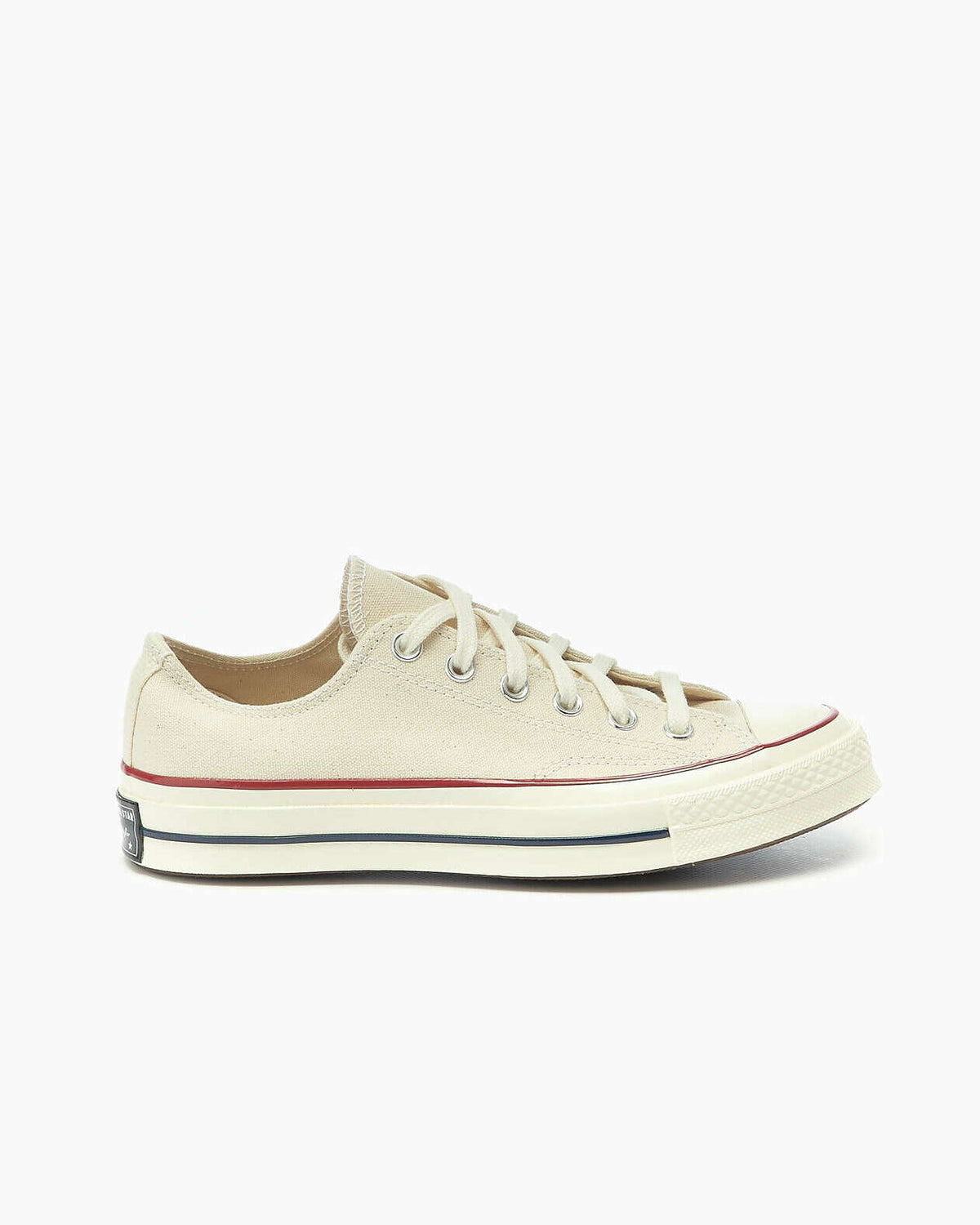
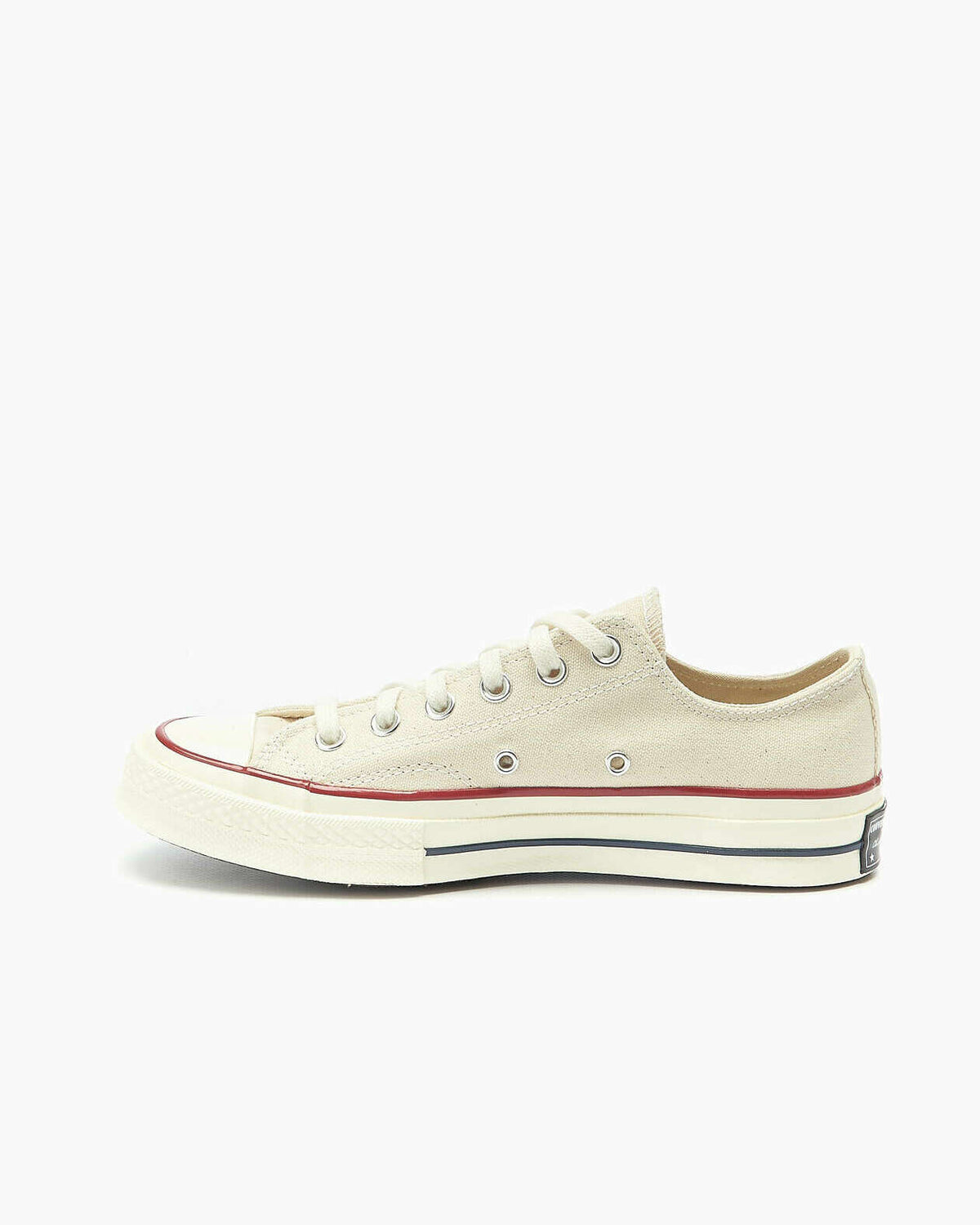
Symbol of youth and rebellion, Converse has maintained its essence in the Chuck Taylor All Star and its various iterations, CONS, Chuck 70 High, Ox, and Run Star. The key? Their authenticity, which they update by creating new classics.
A history intertwined with sports and American culture, Converse was born in 1908 under the guidance of Marquis Mills Converse, and its development coincided with the emergence of basketball, a sport that originated just 150 meters away from Converse's headquarters in Malden, Massachusetts.
In 1923, Charles “Chuck” Taylor, a man surrounded by legends, proposed functional changes to Converse's sneakers and began working as a salesperson for the brand. Among his legendary stories was his involvement in teams during the early days of professional basketball. In the 1930s, Converse placed Chuck Taylor's name on their most popular sneaker, thus initiating the longest-lasting relationship in sneaker history.
Basketball and culture
From its inception until the 1970s, Converse, primarily the Chuck Taylor, was the footwear of choice for most NBA players. Simultaneously, it established itself as an American fashion icon due to its significance beyond the basketball courts, both with the Chuck Taylor and the newly introduced classic, Jack Purcell.
During the 1980s, while Converse regained its influence in basketball with models like Fast Break or Weapon worn by Michael Jordan, Magic Johnson, or Larry Bird, it grew in popularity within skateboarding and became an essential garment for grunge and West Coast hip-hop.
Converse at FOOTDISTRICT
Converse has managed to position some of its silhouettes as classics that are rejuvenated through collaborations with Off-White, A-COLD-WALL, Play Comme des Garçons, or Rick Owens DRKSHDW, always influenced by basketball and popular culture.