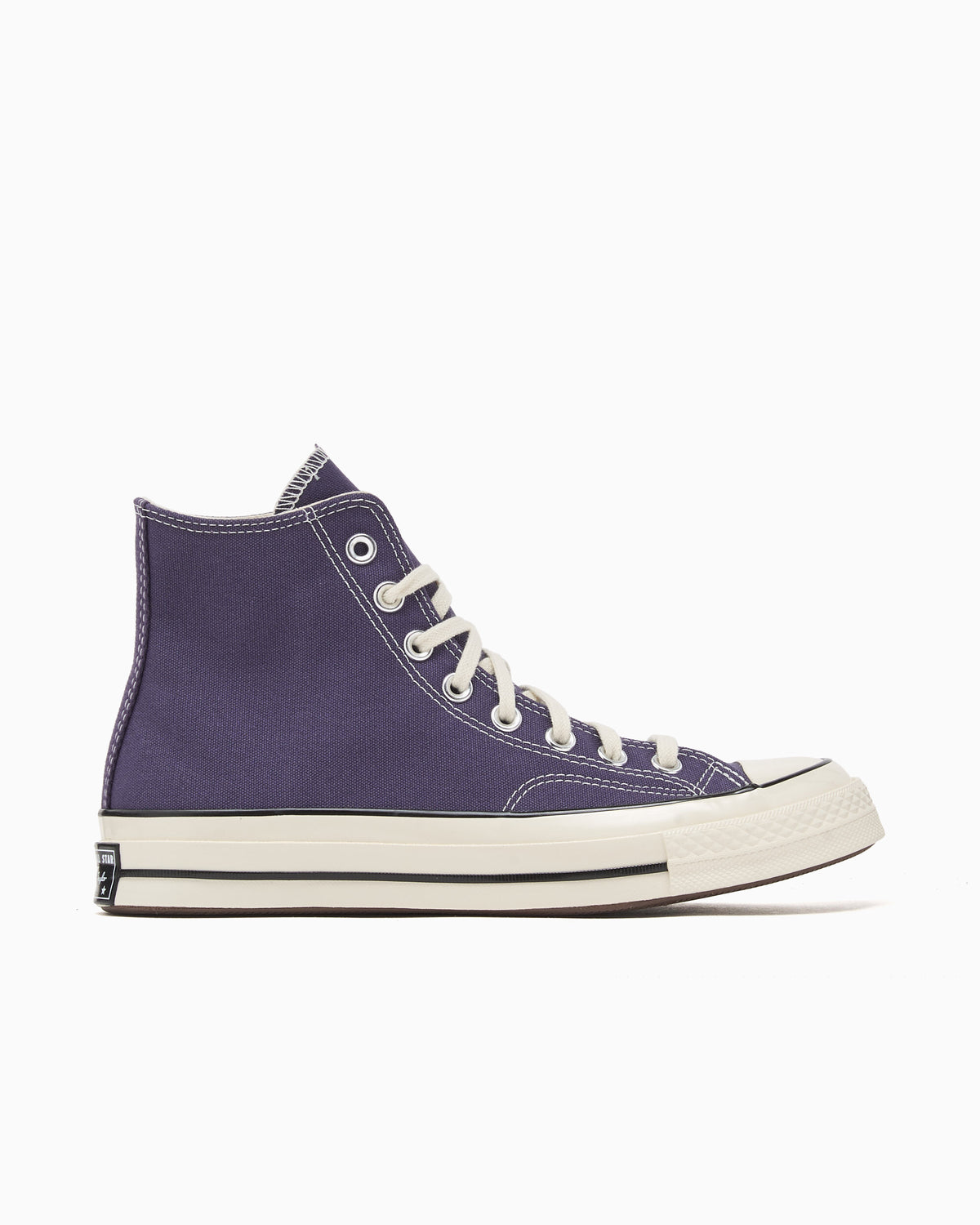
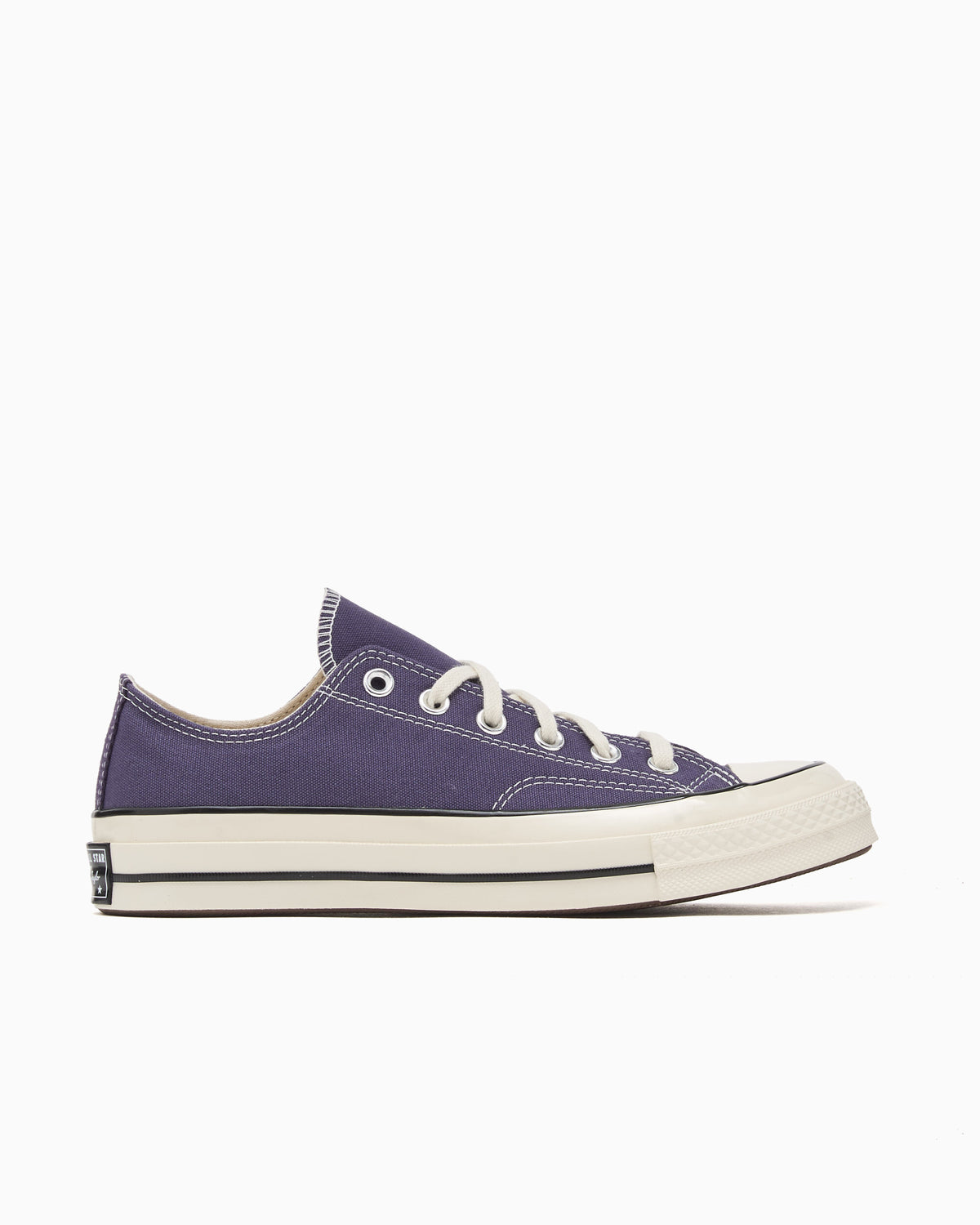
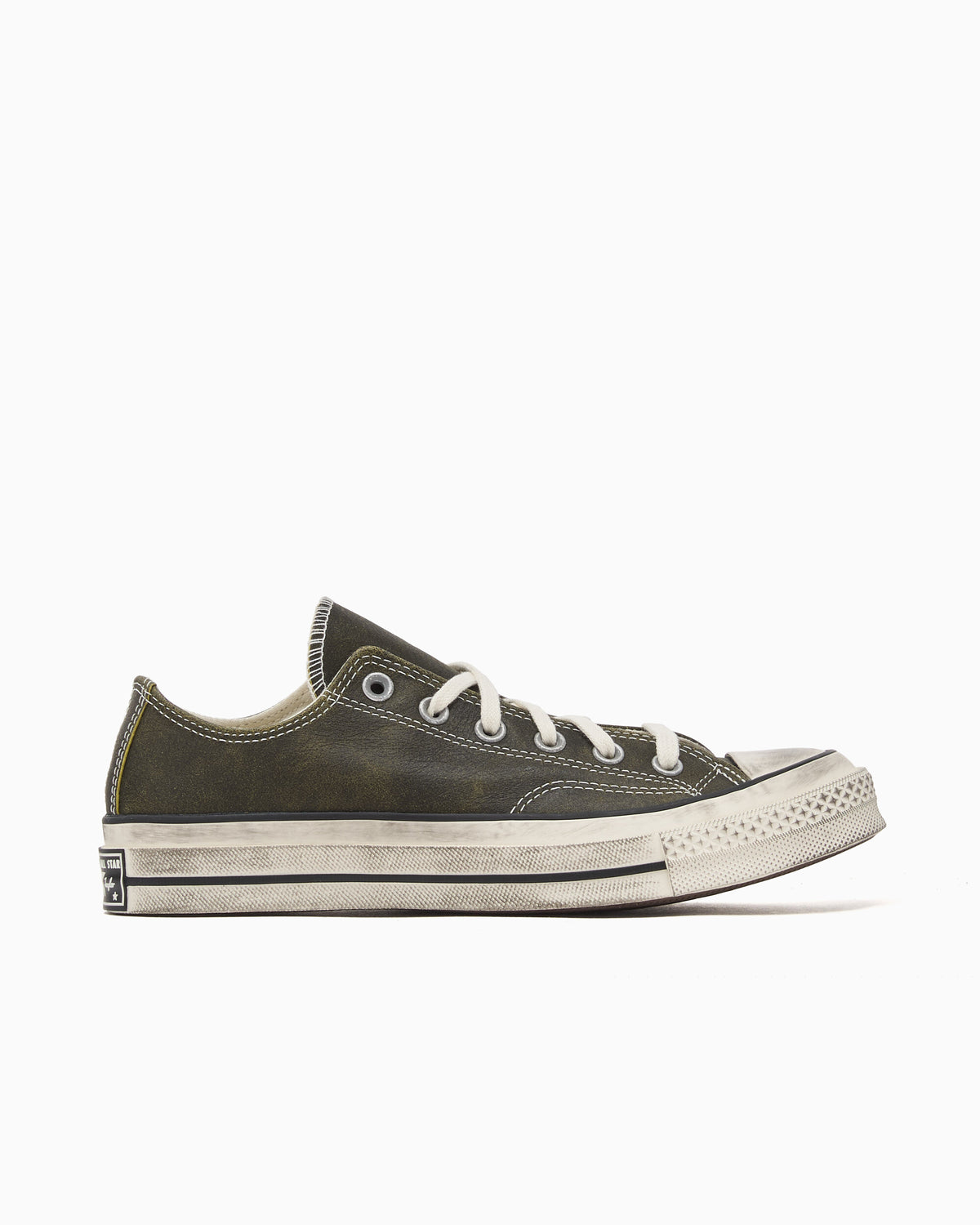
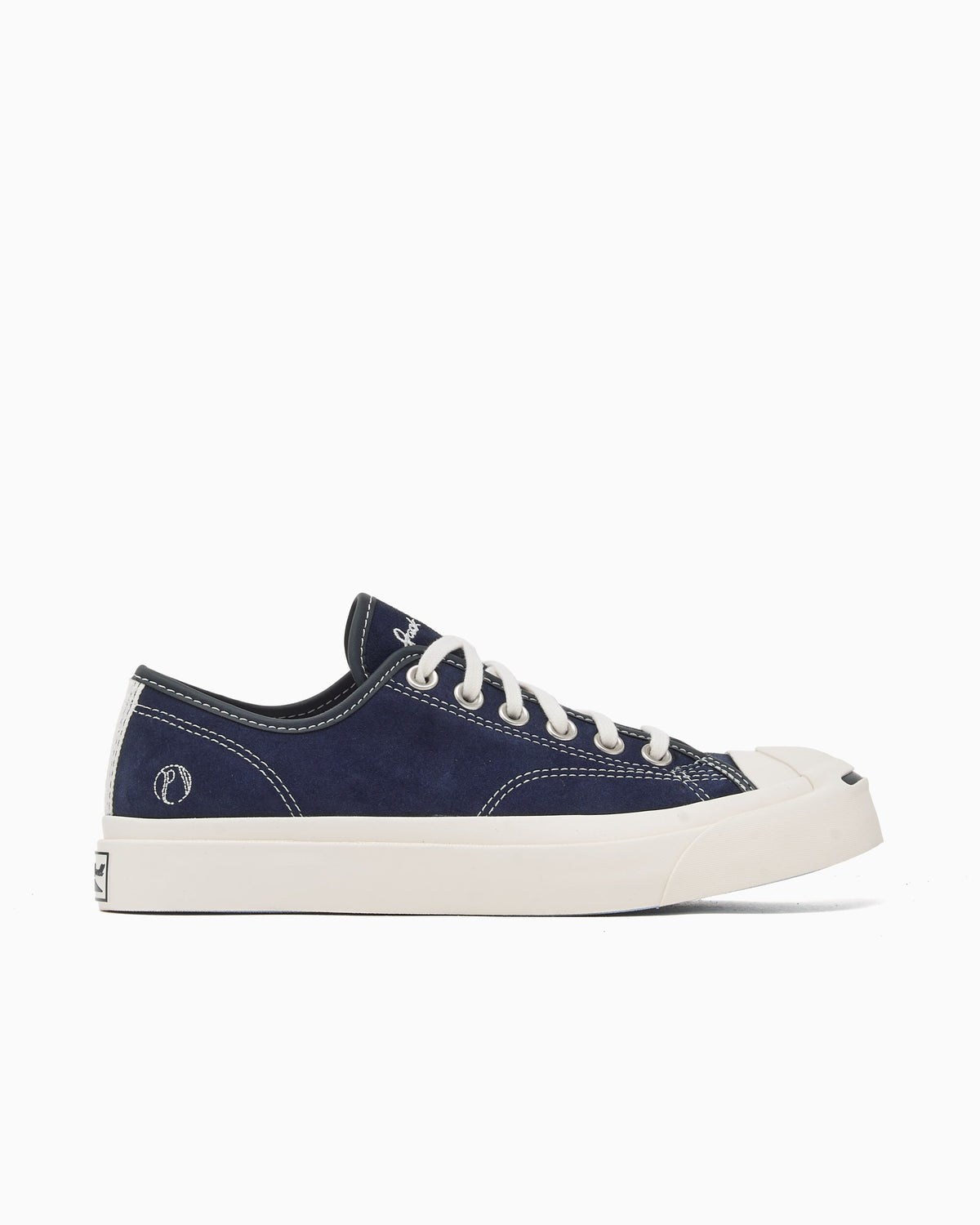
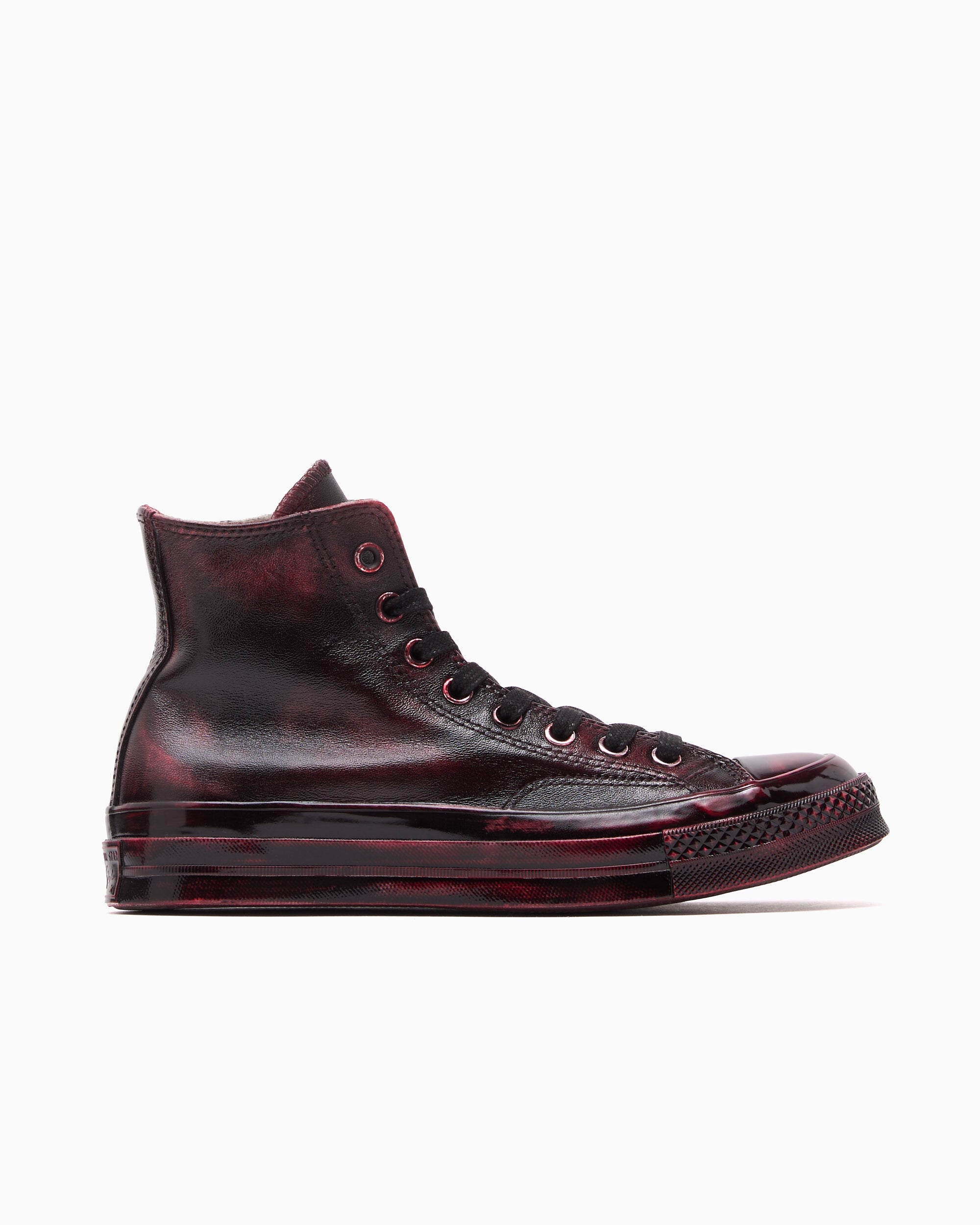
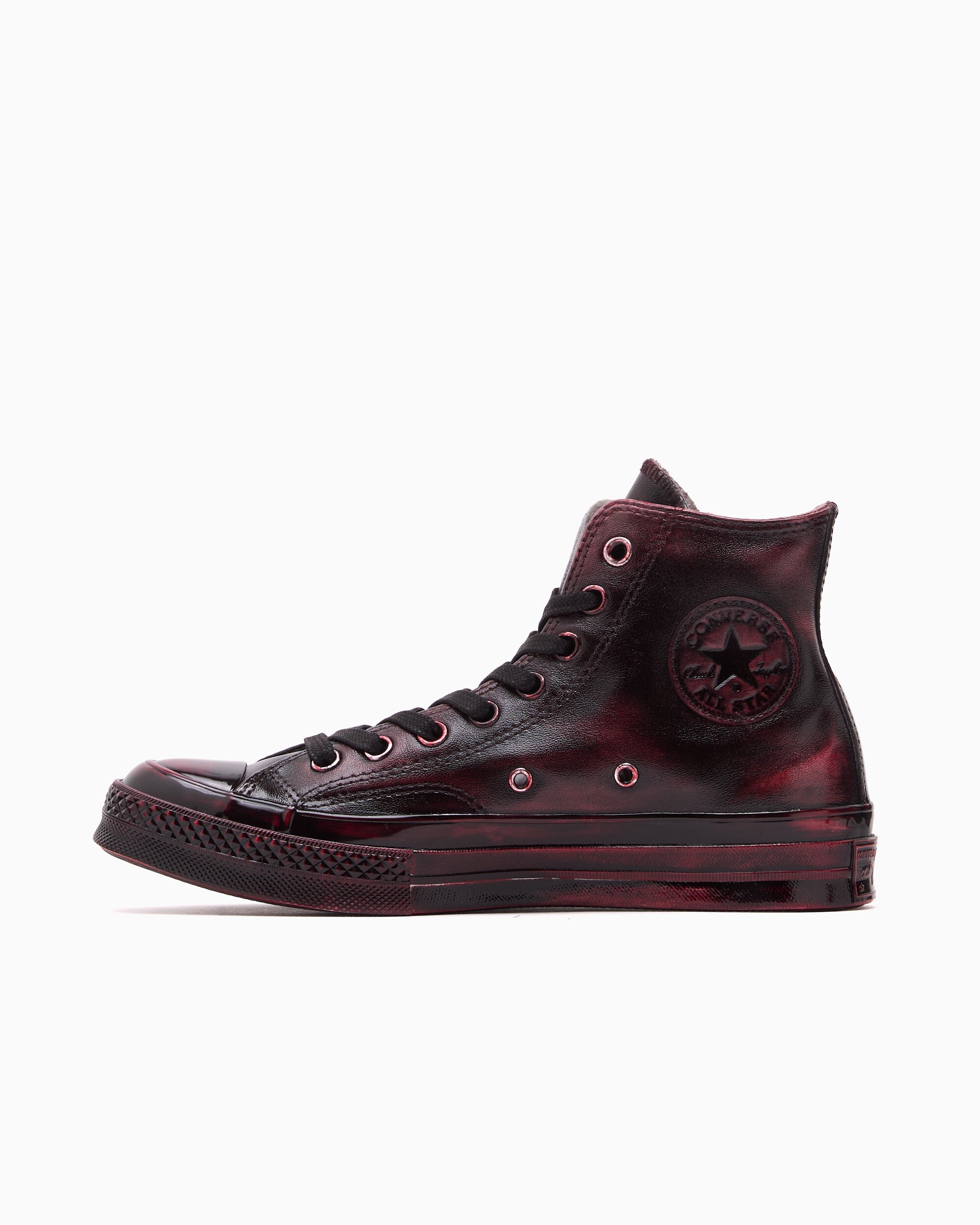
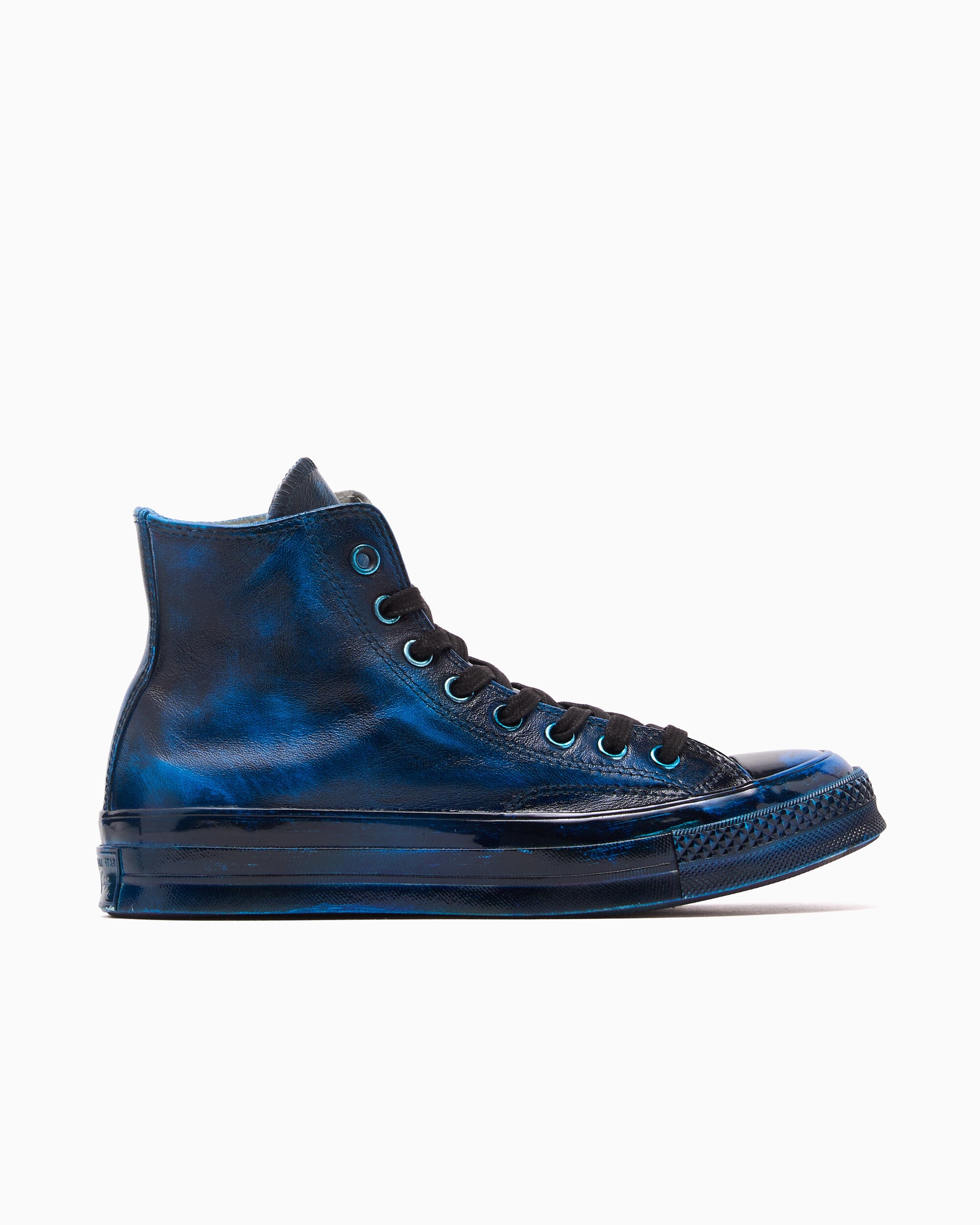
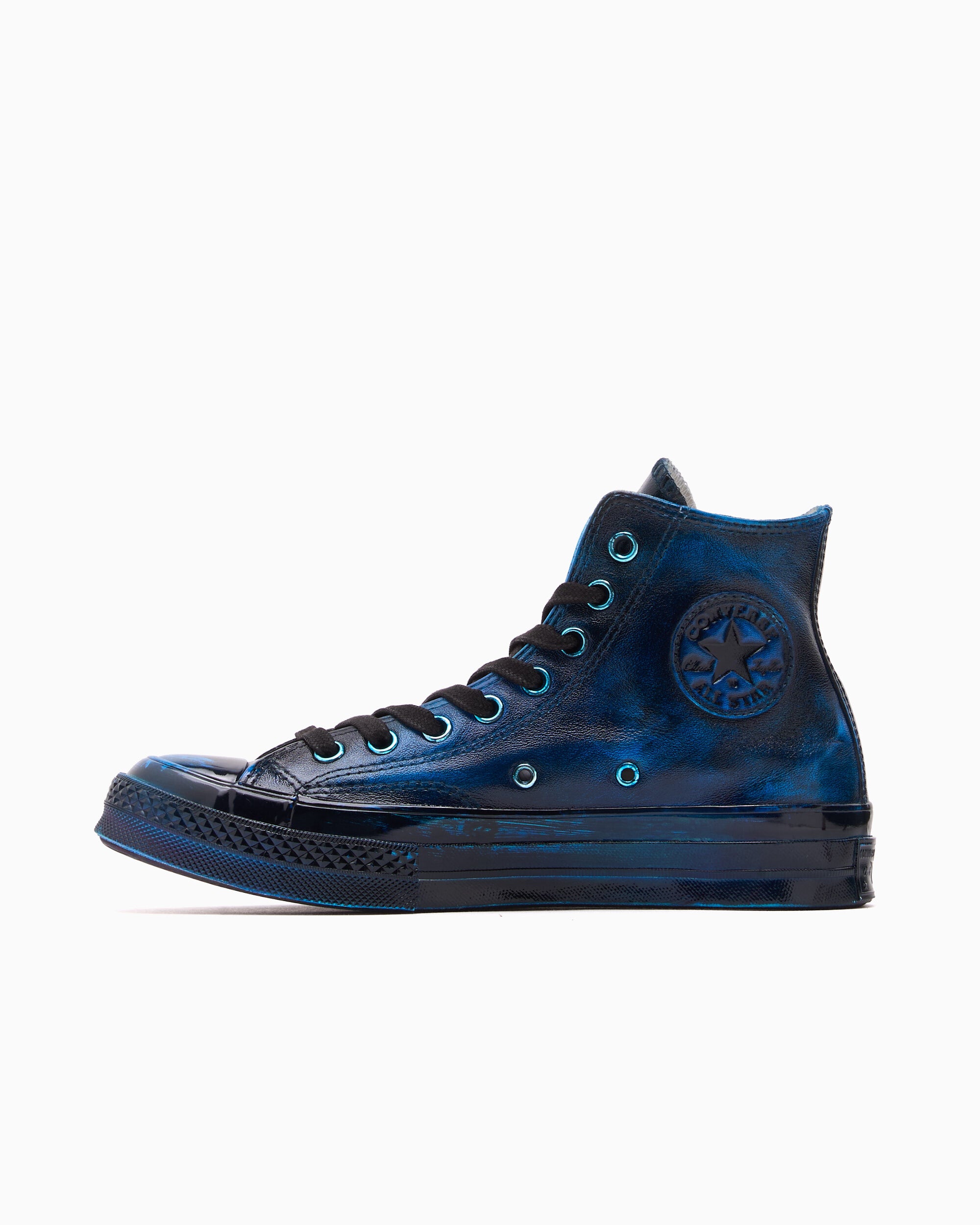
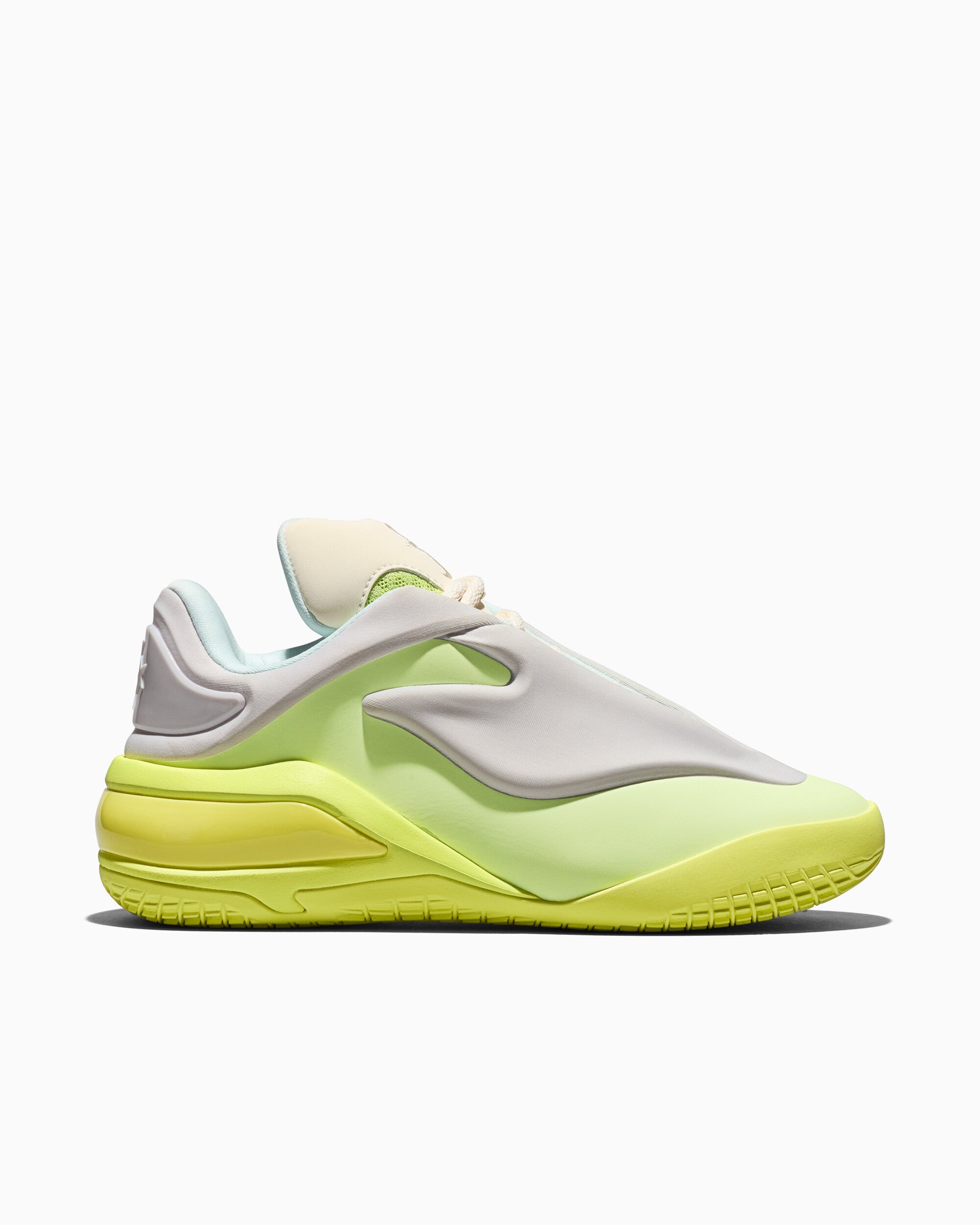
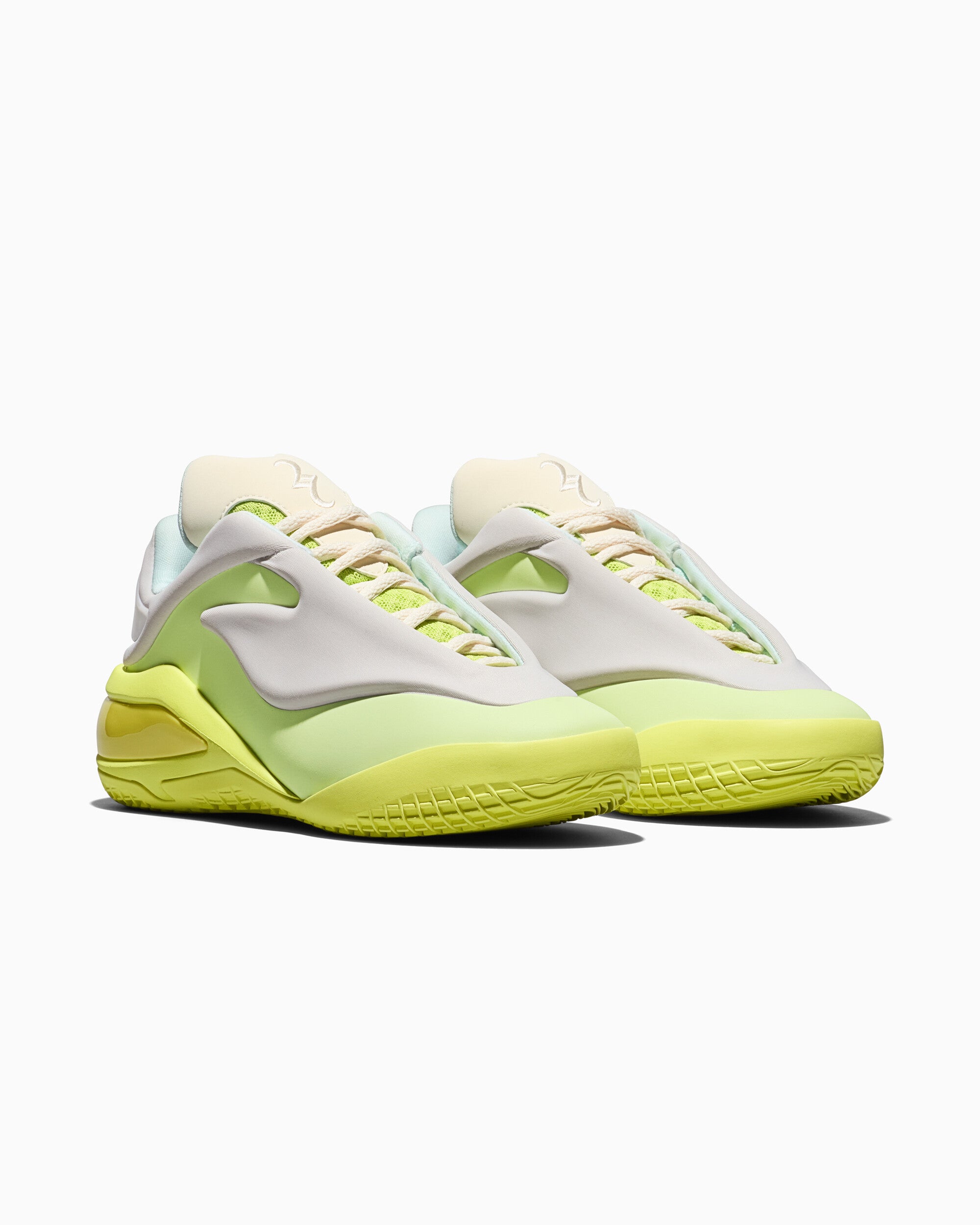
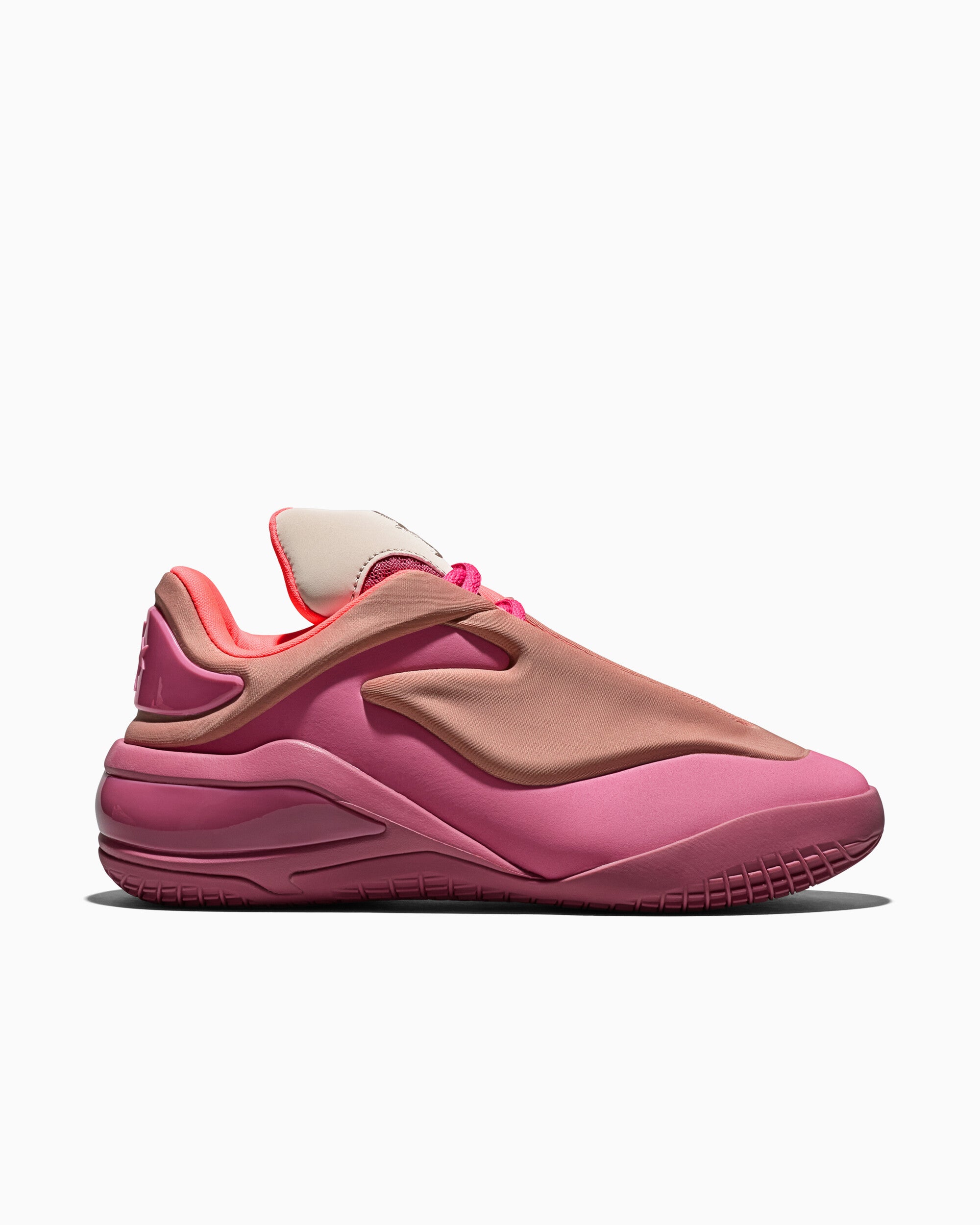
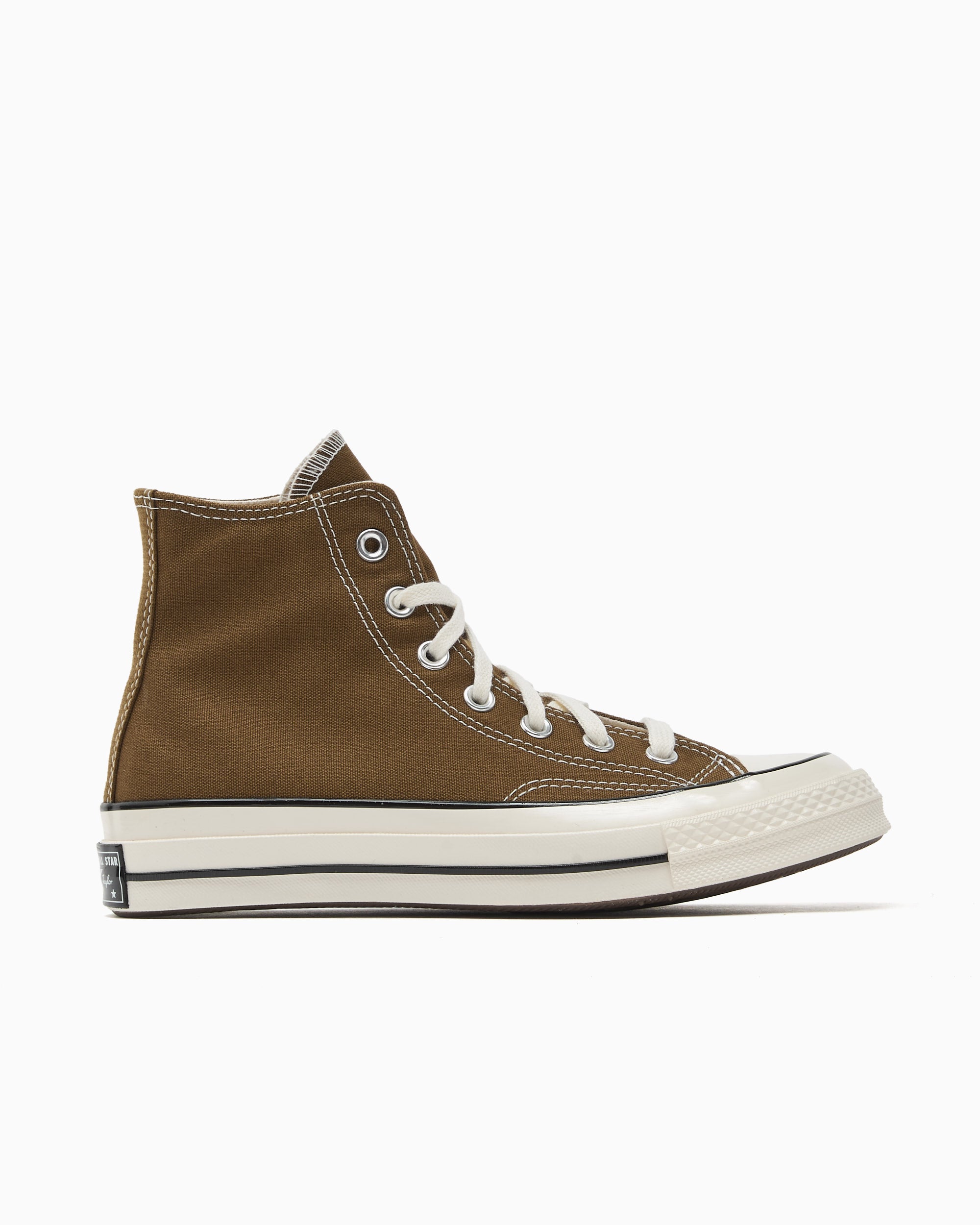
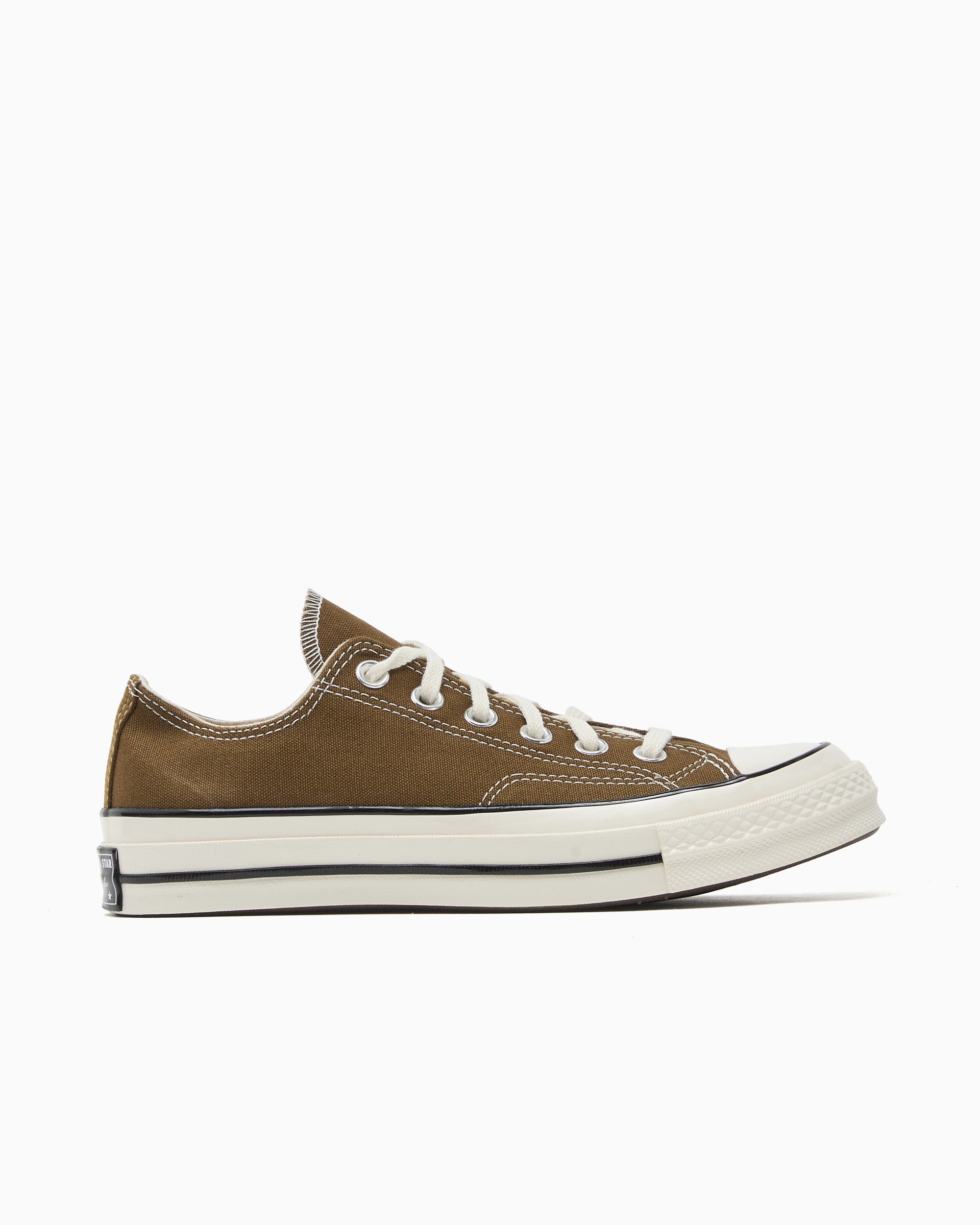
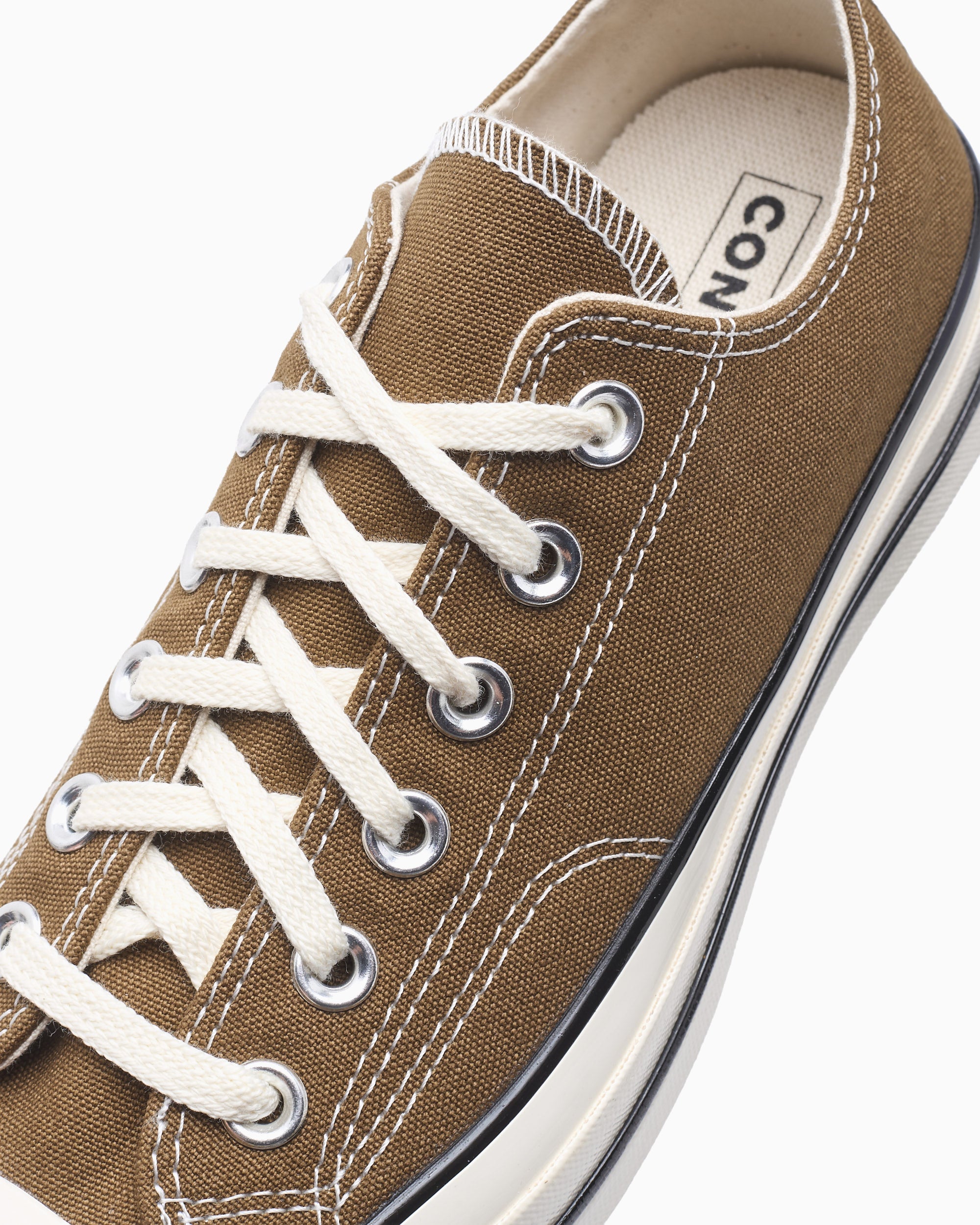
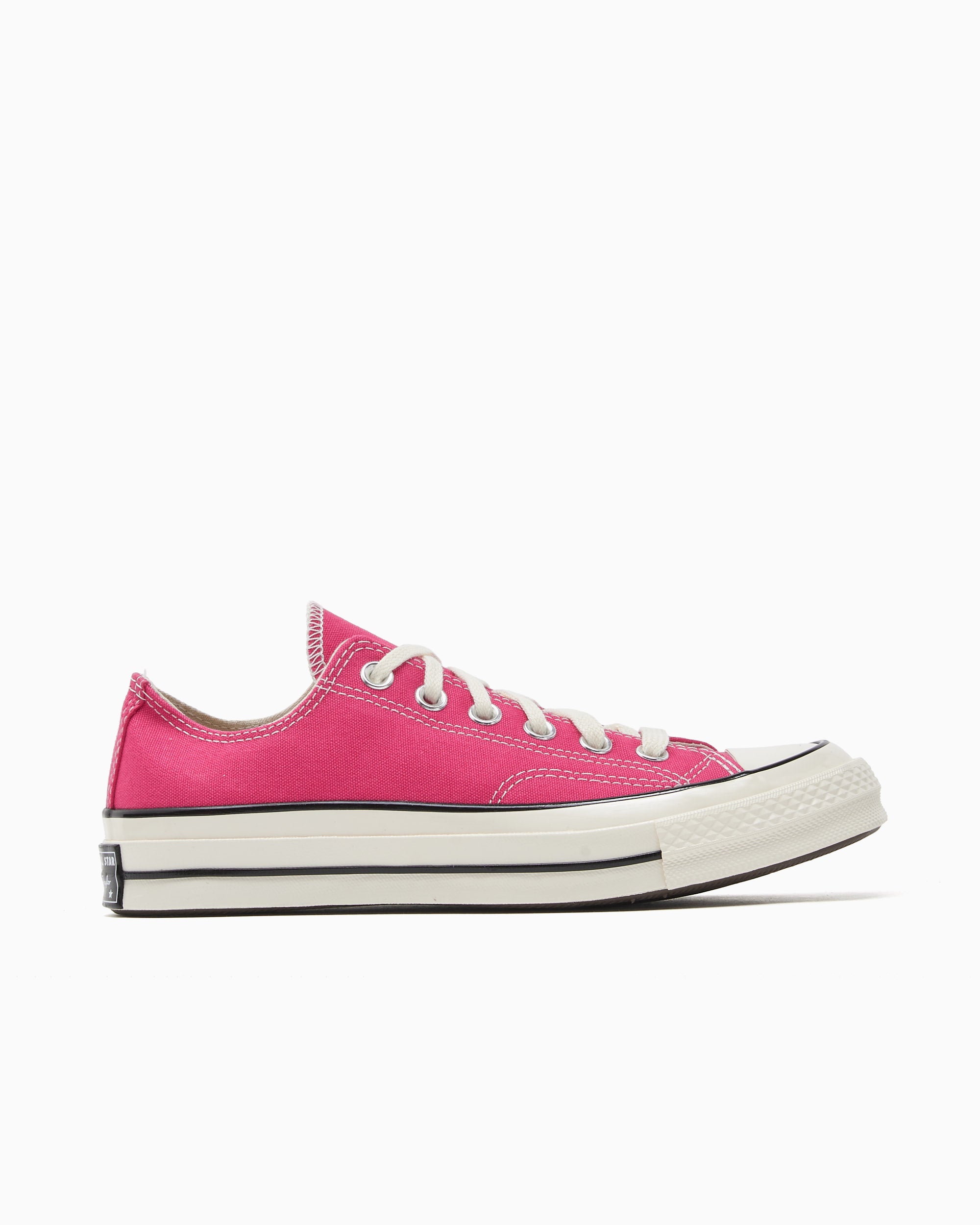
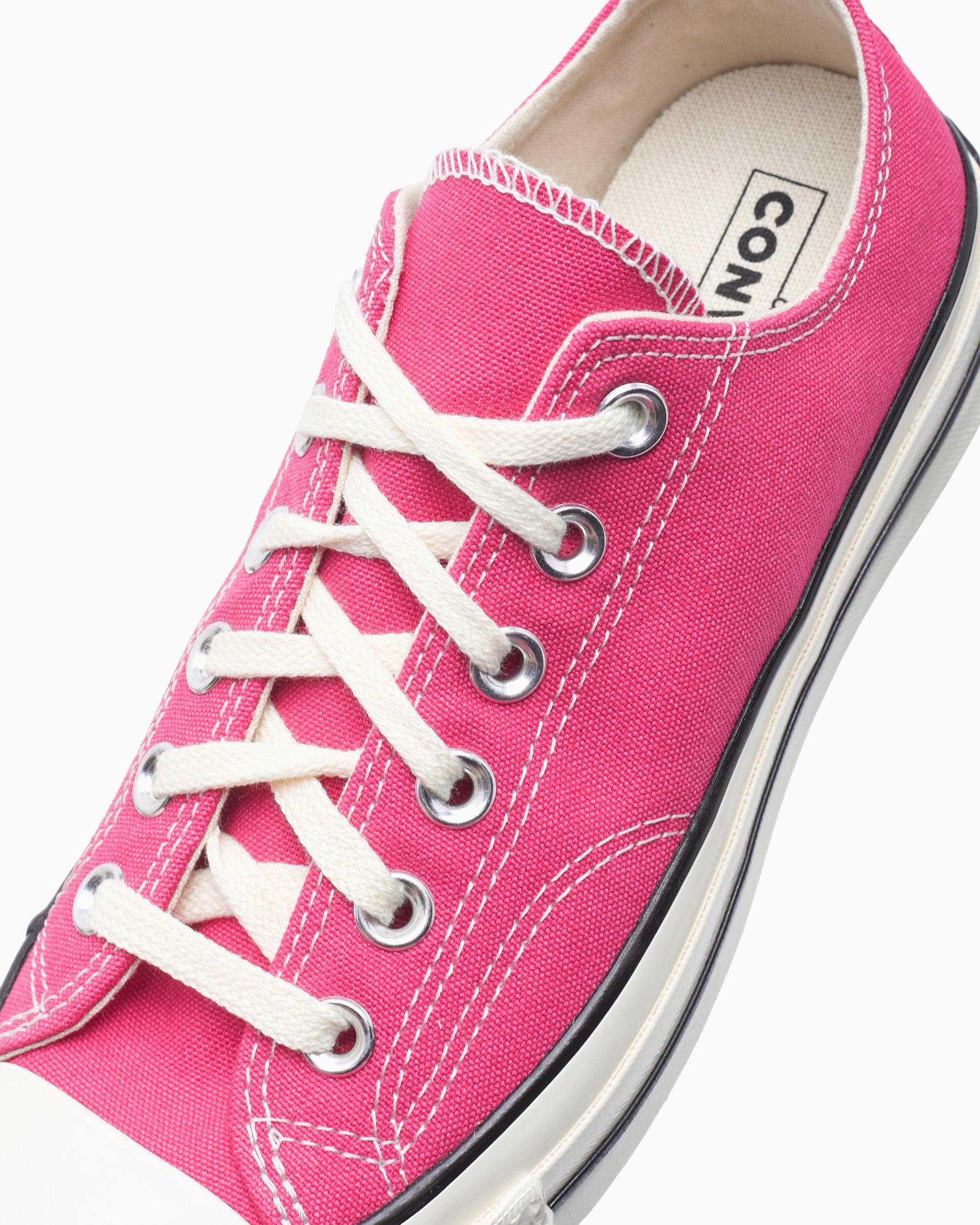
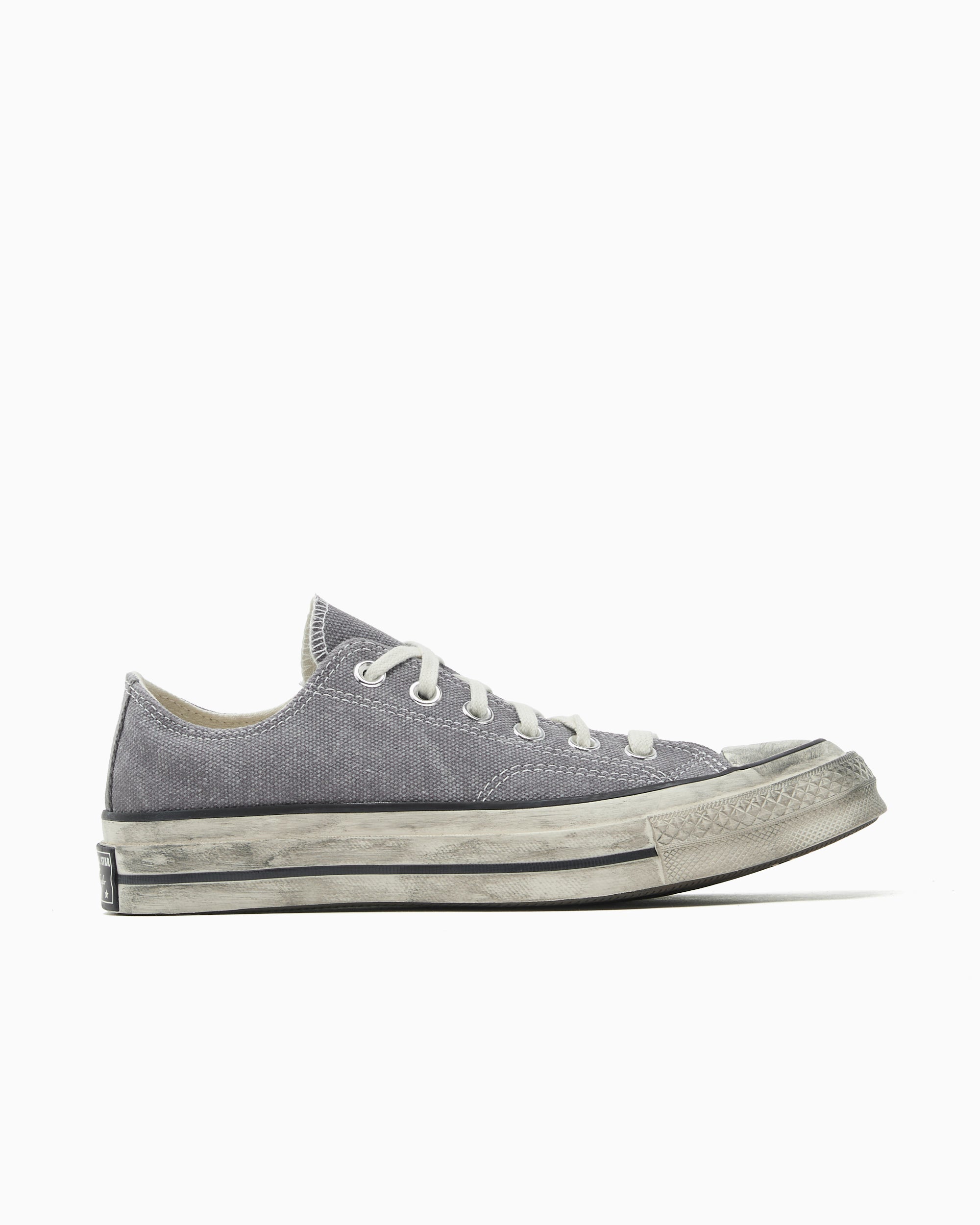
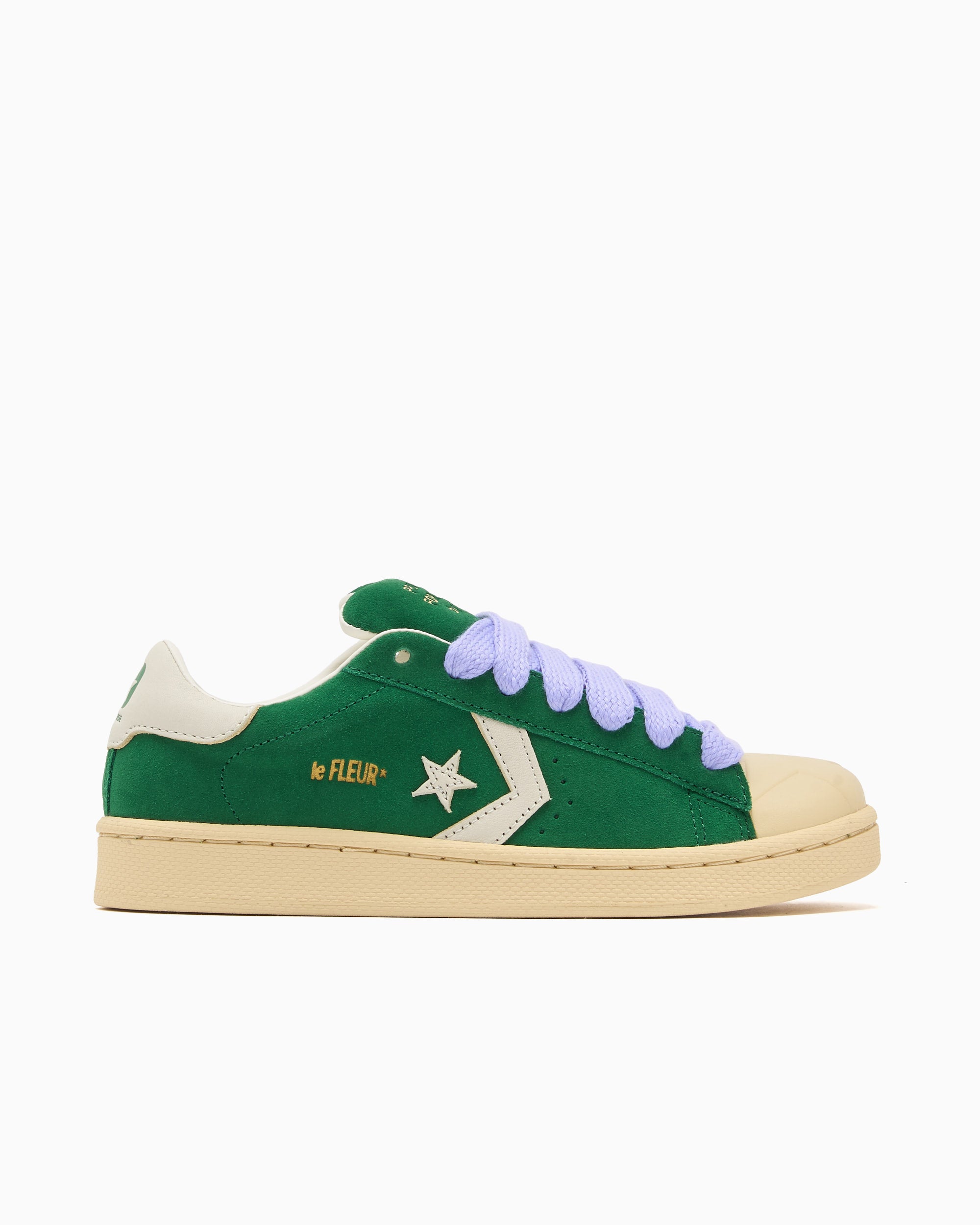
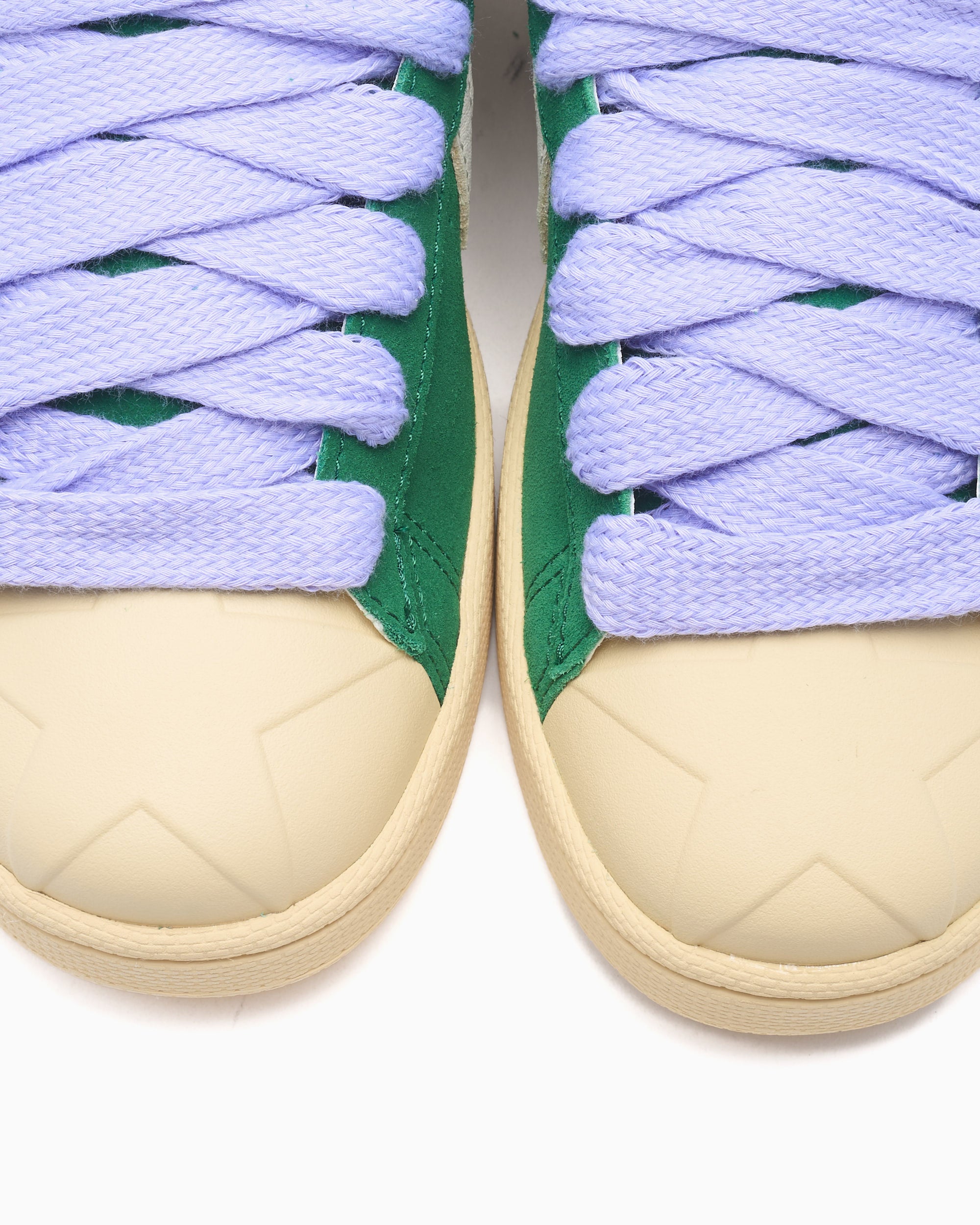
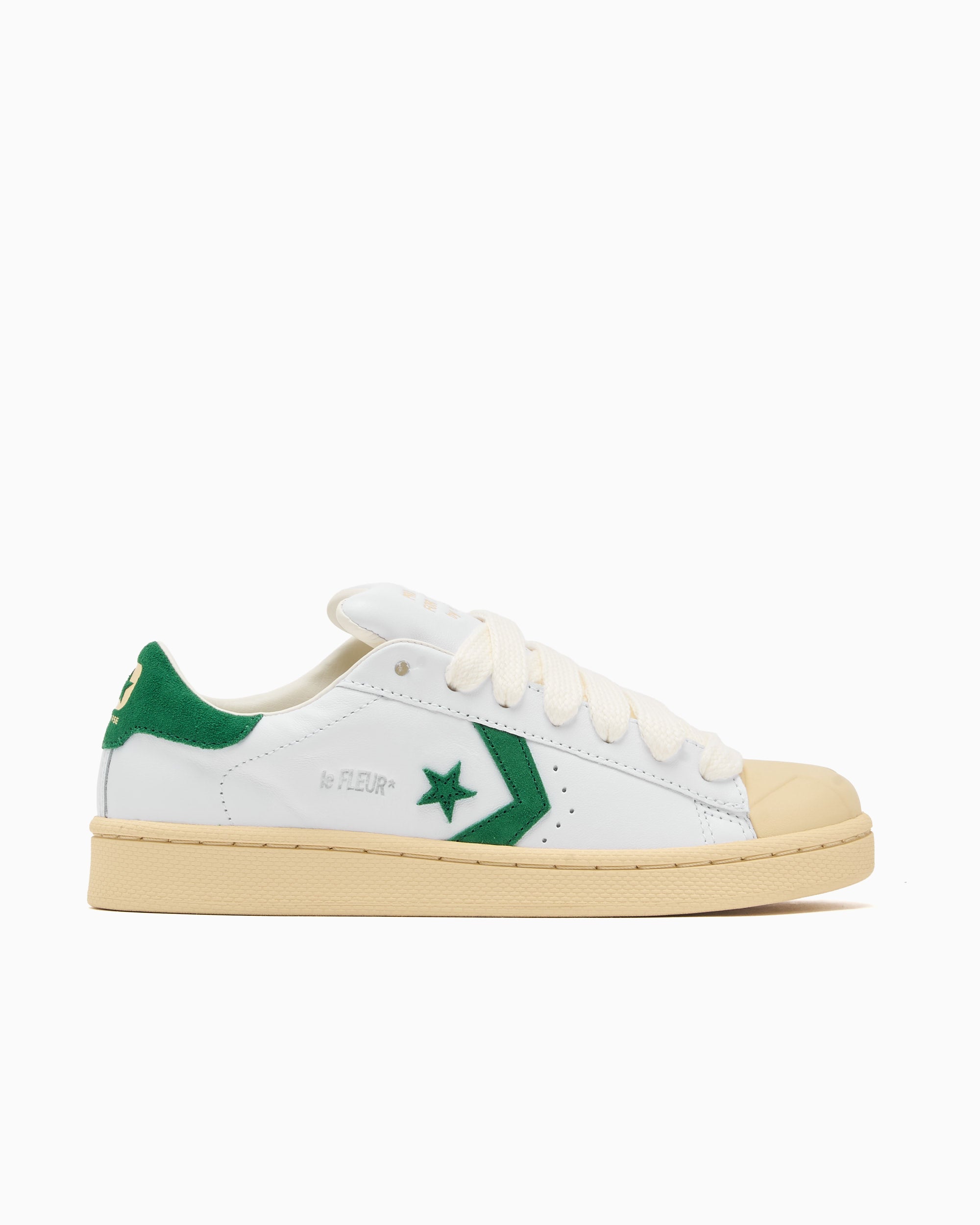
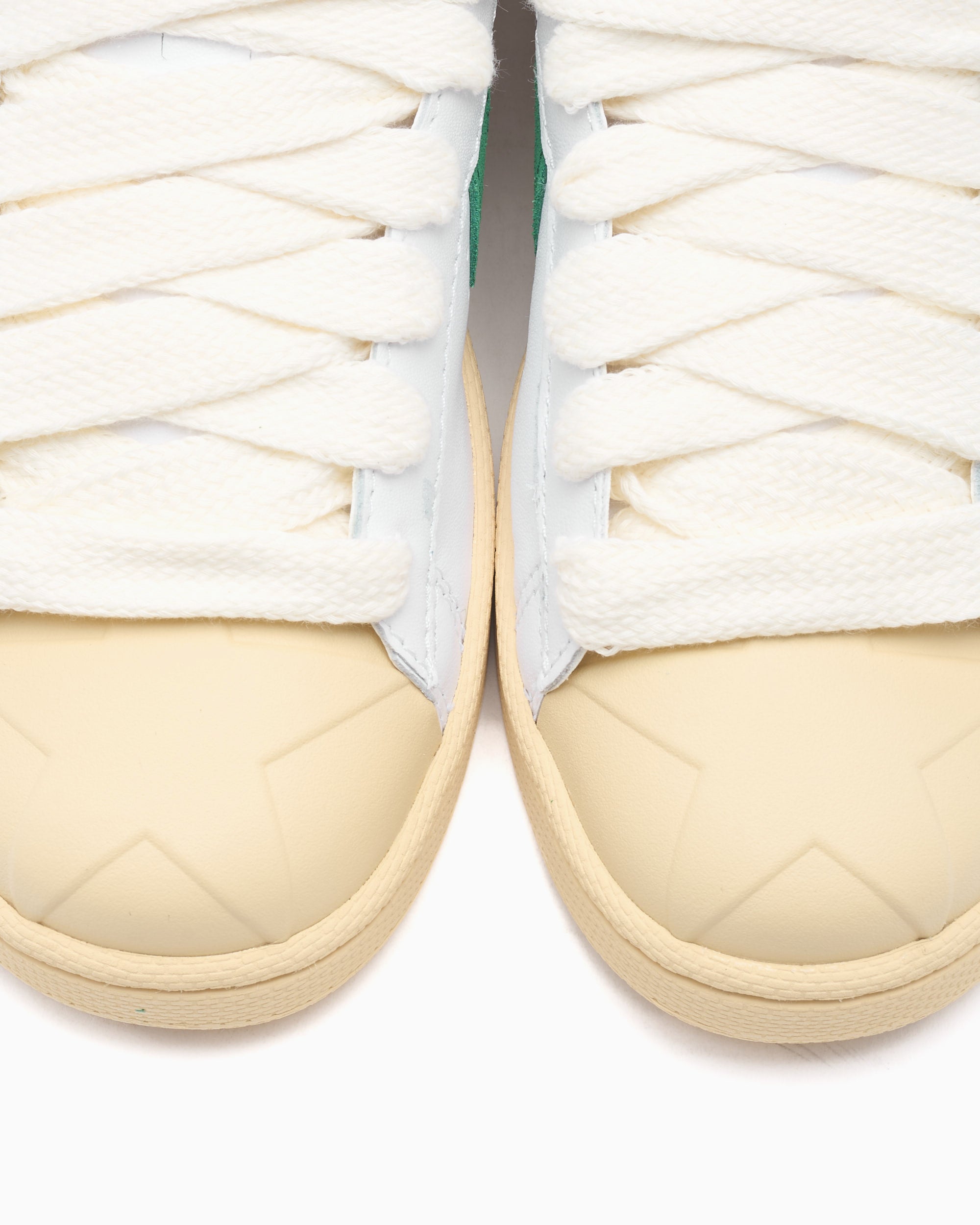
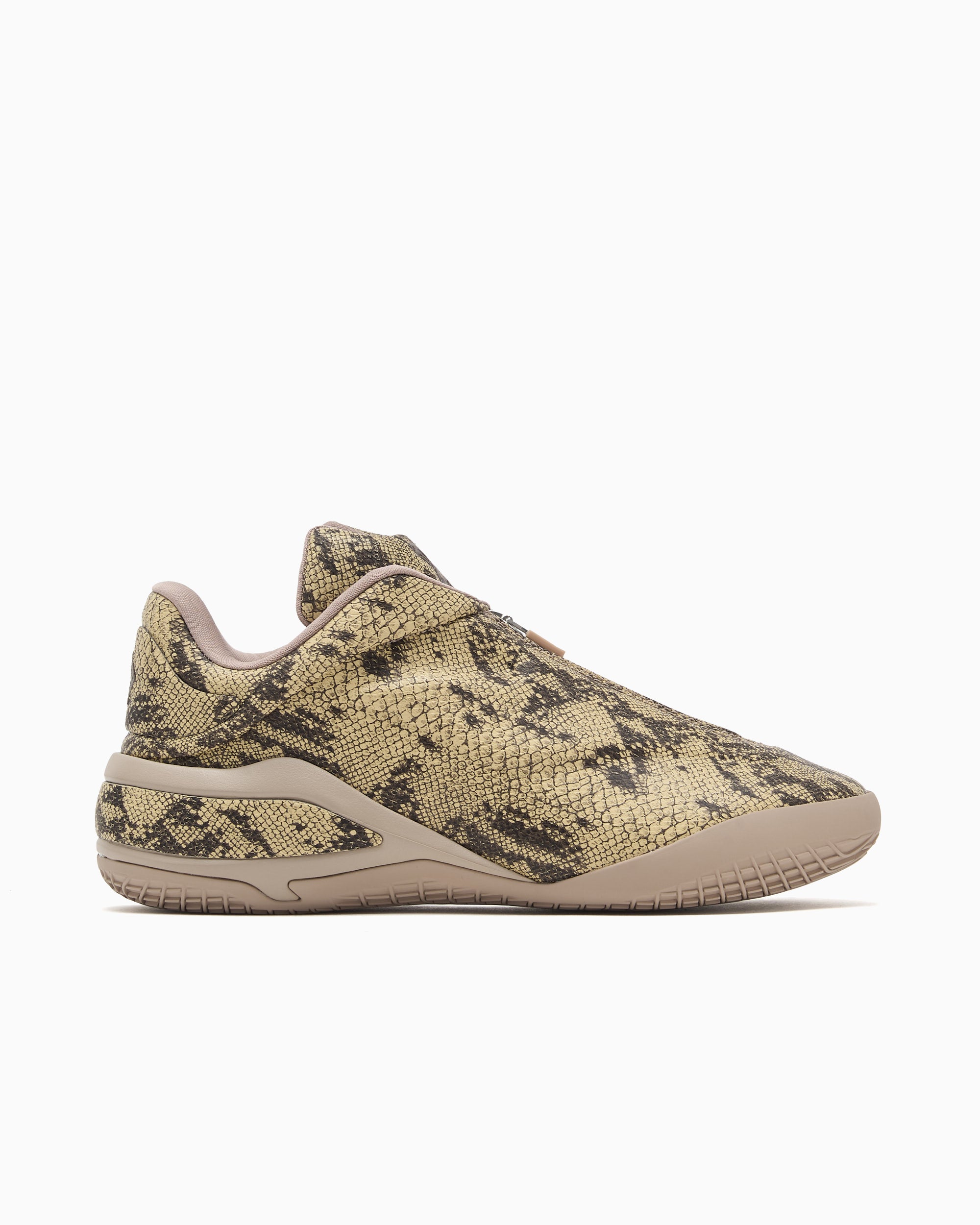
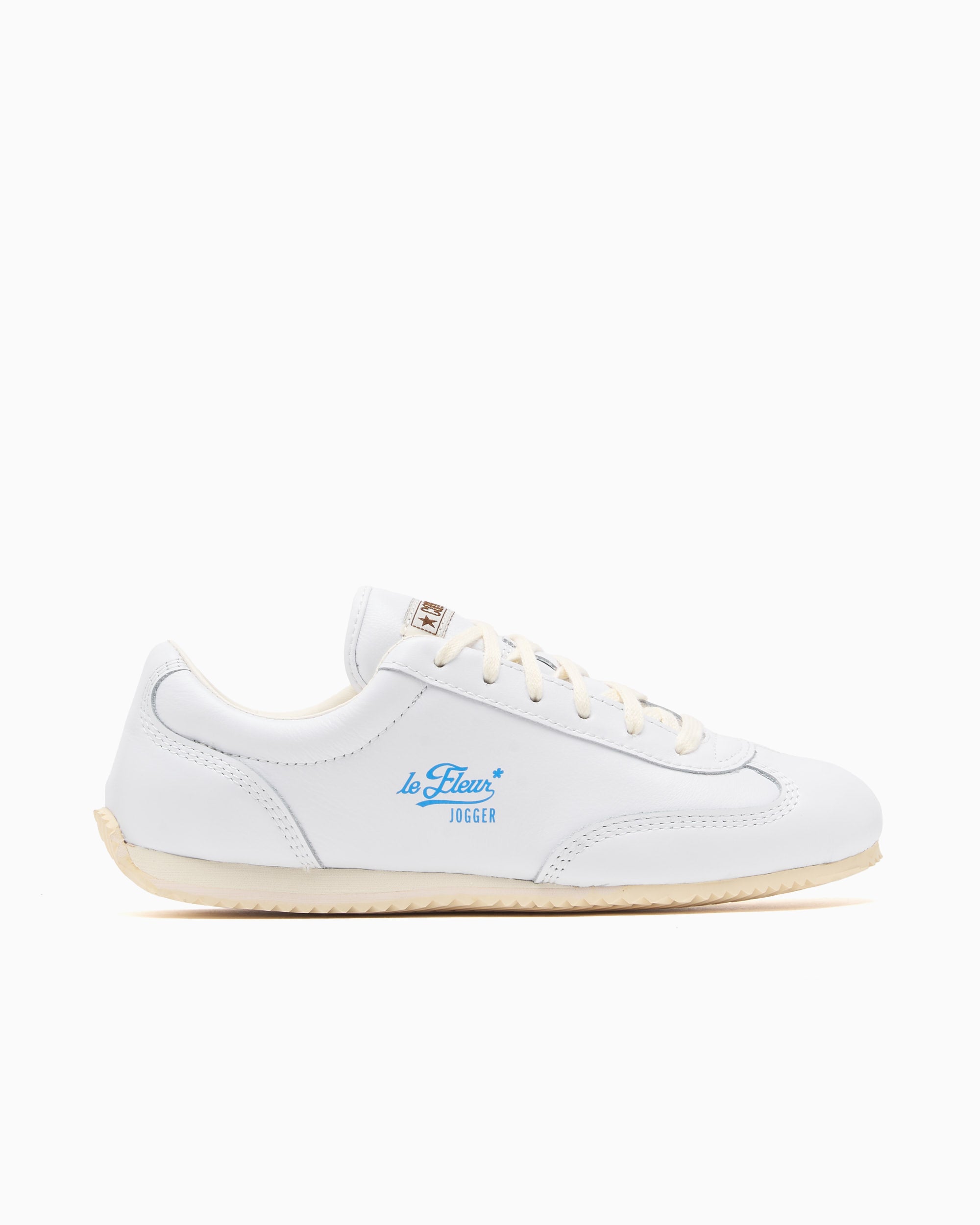
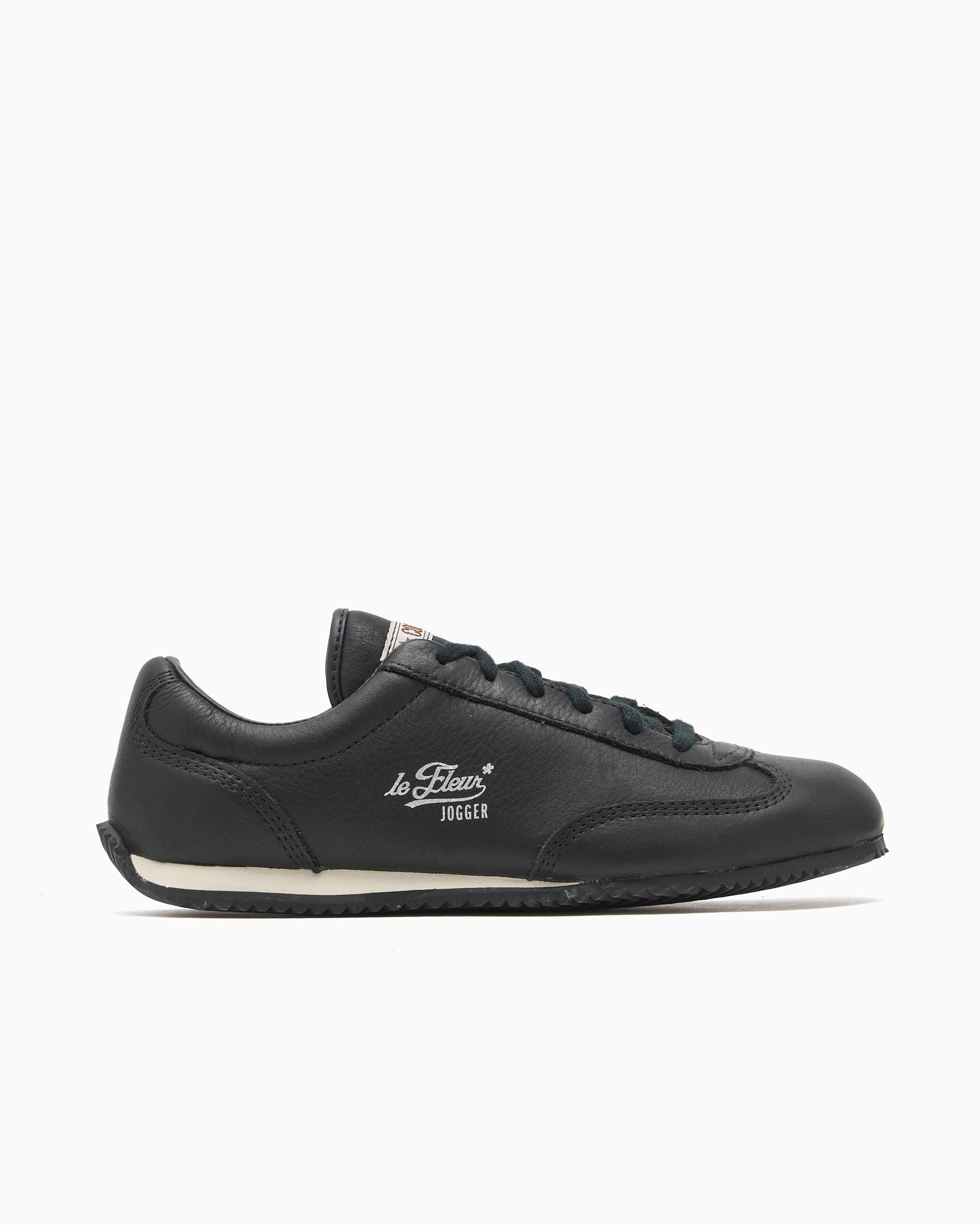
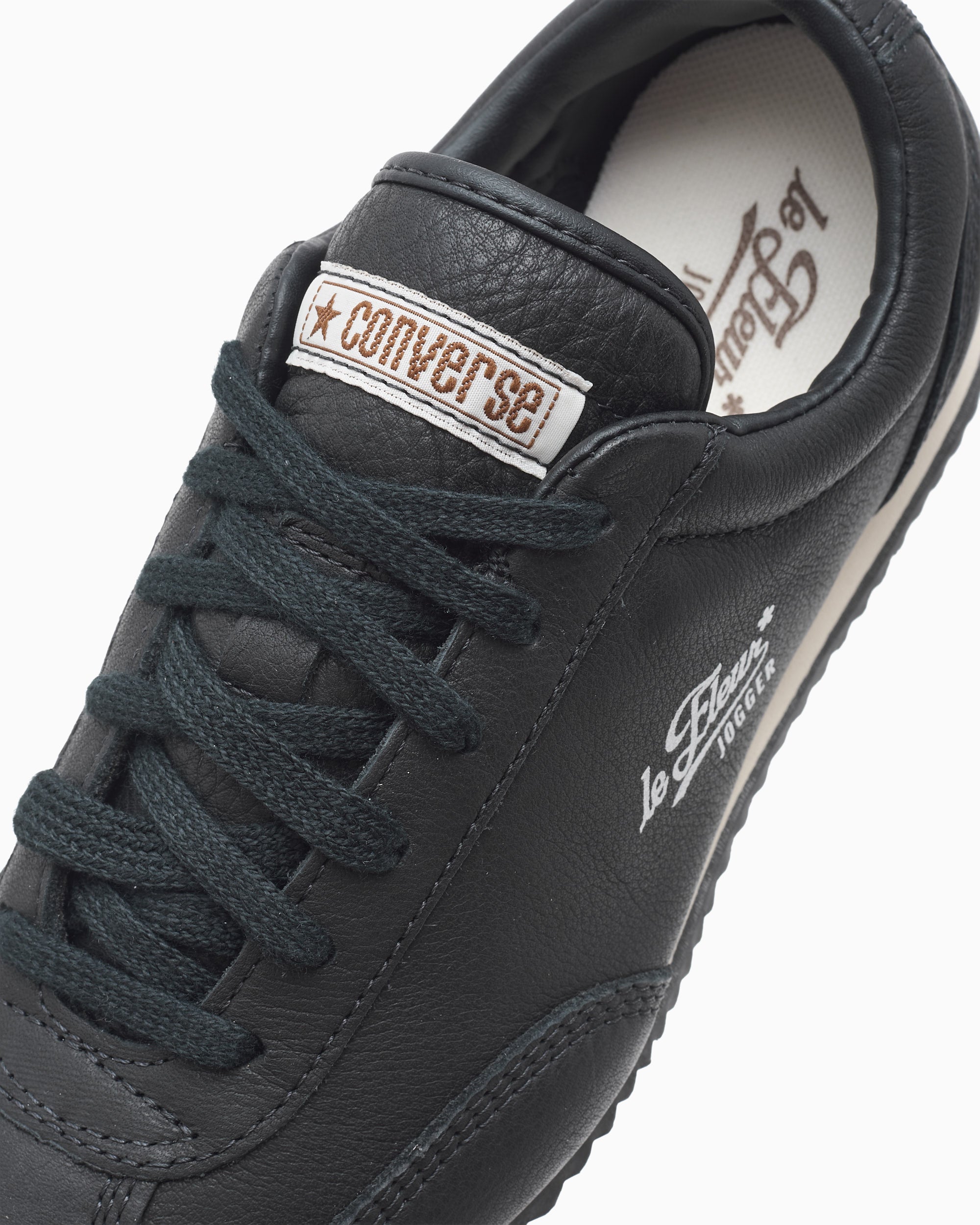
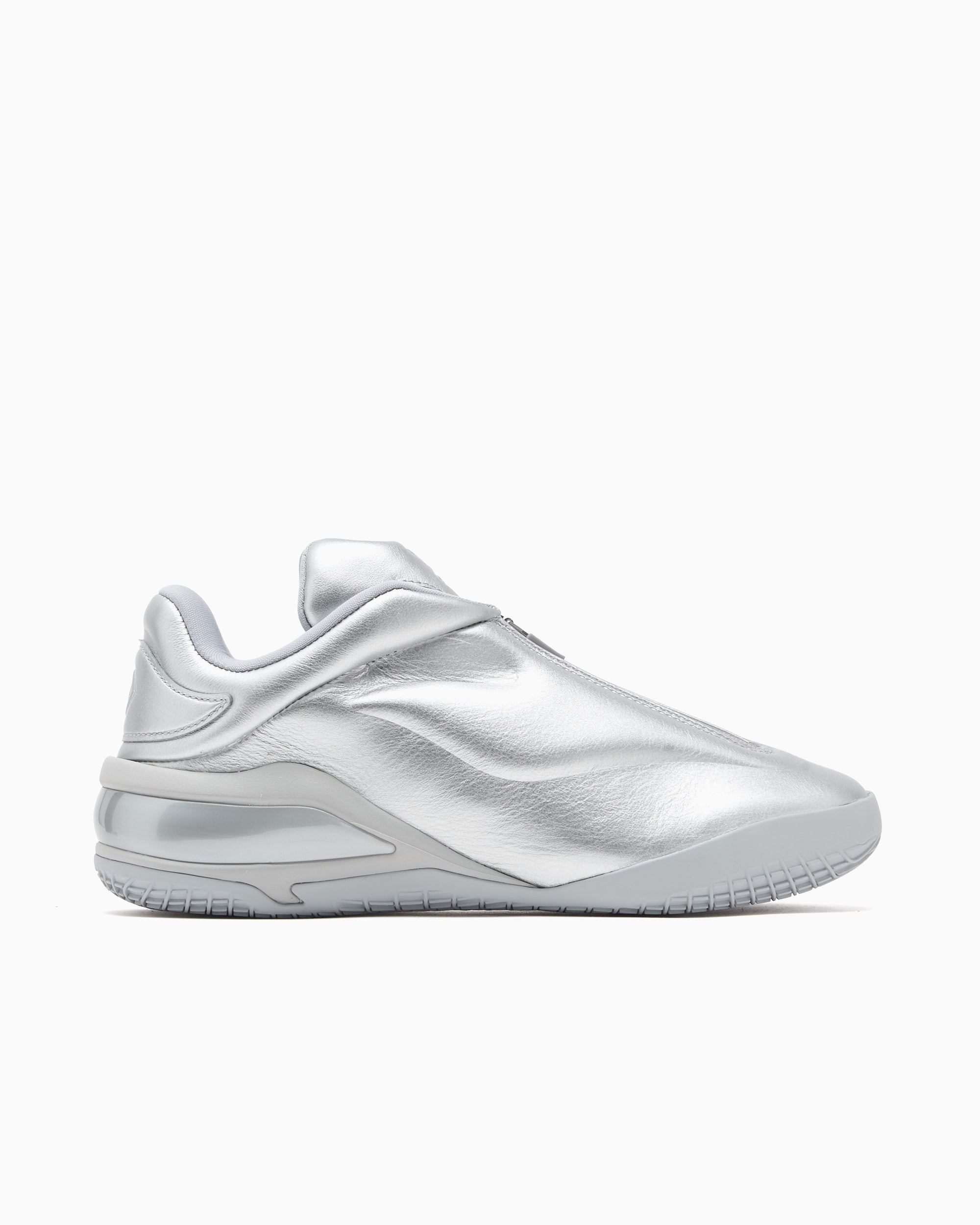
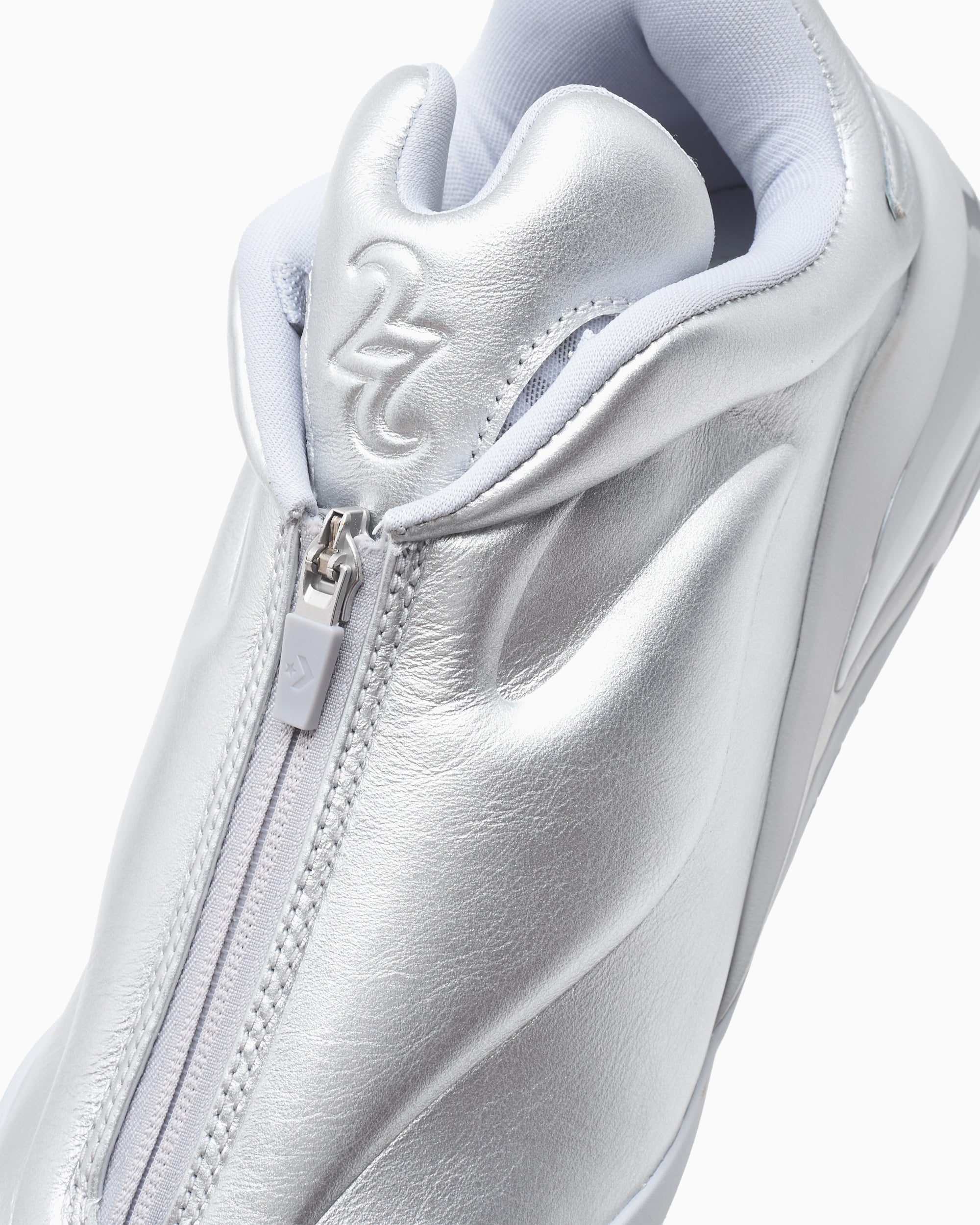
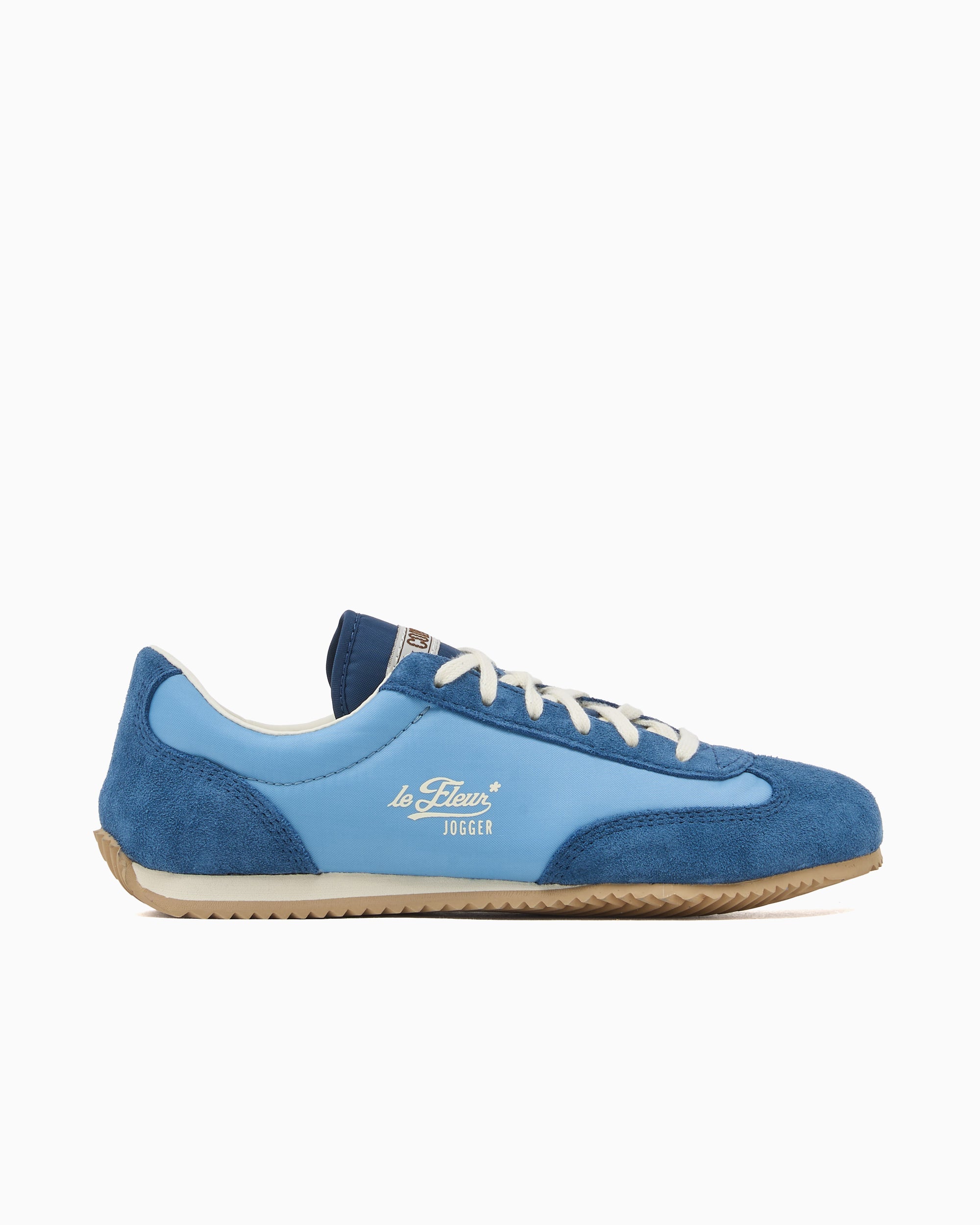
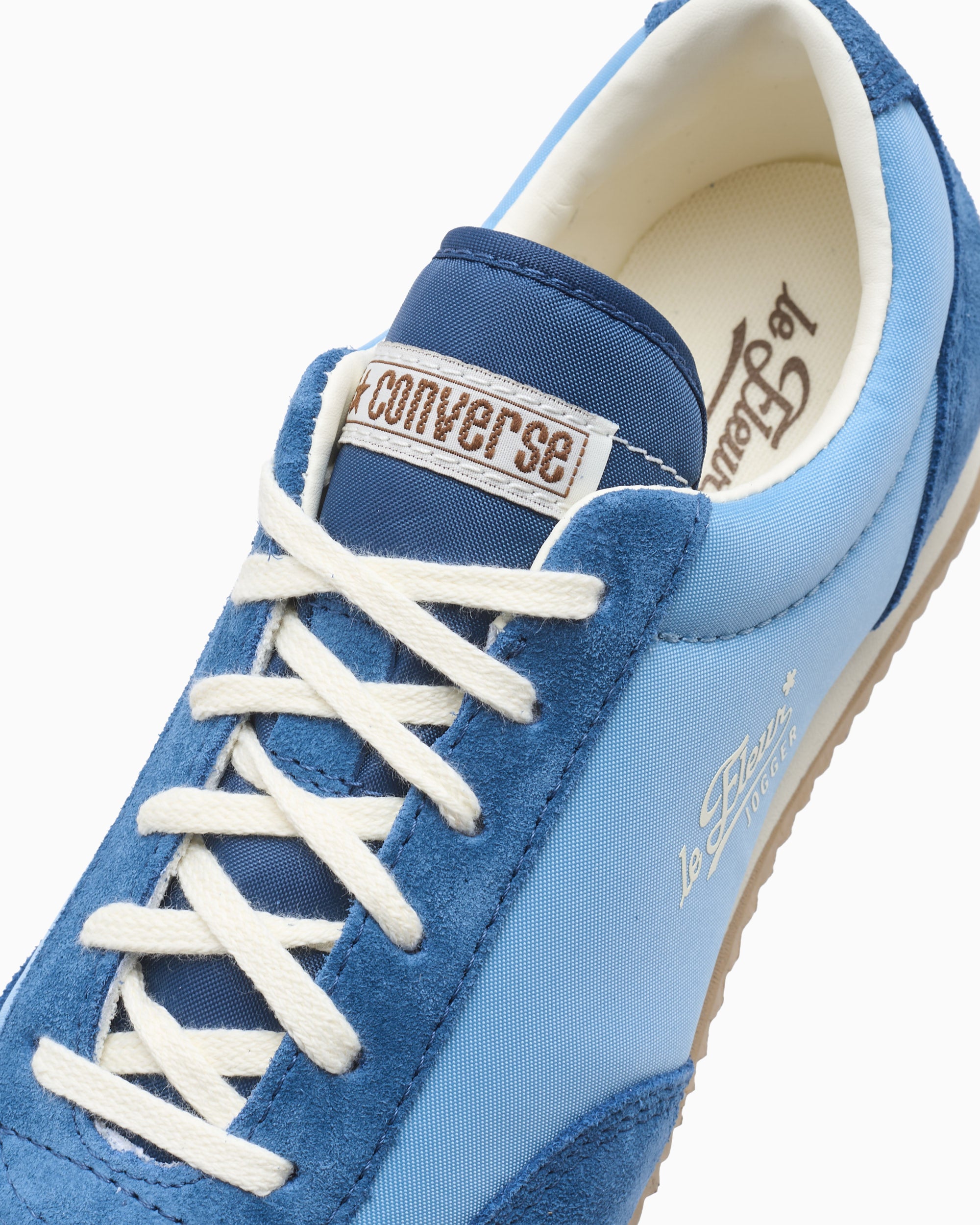
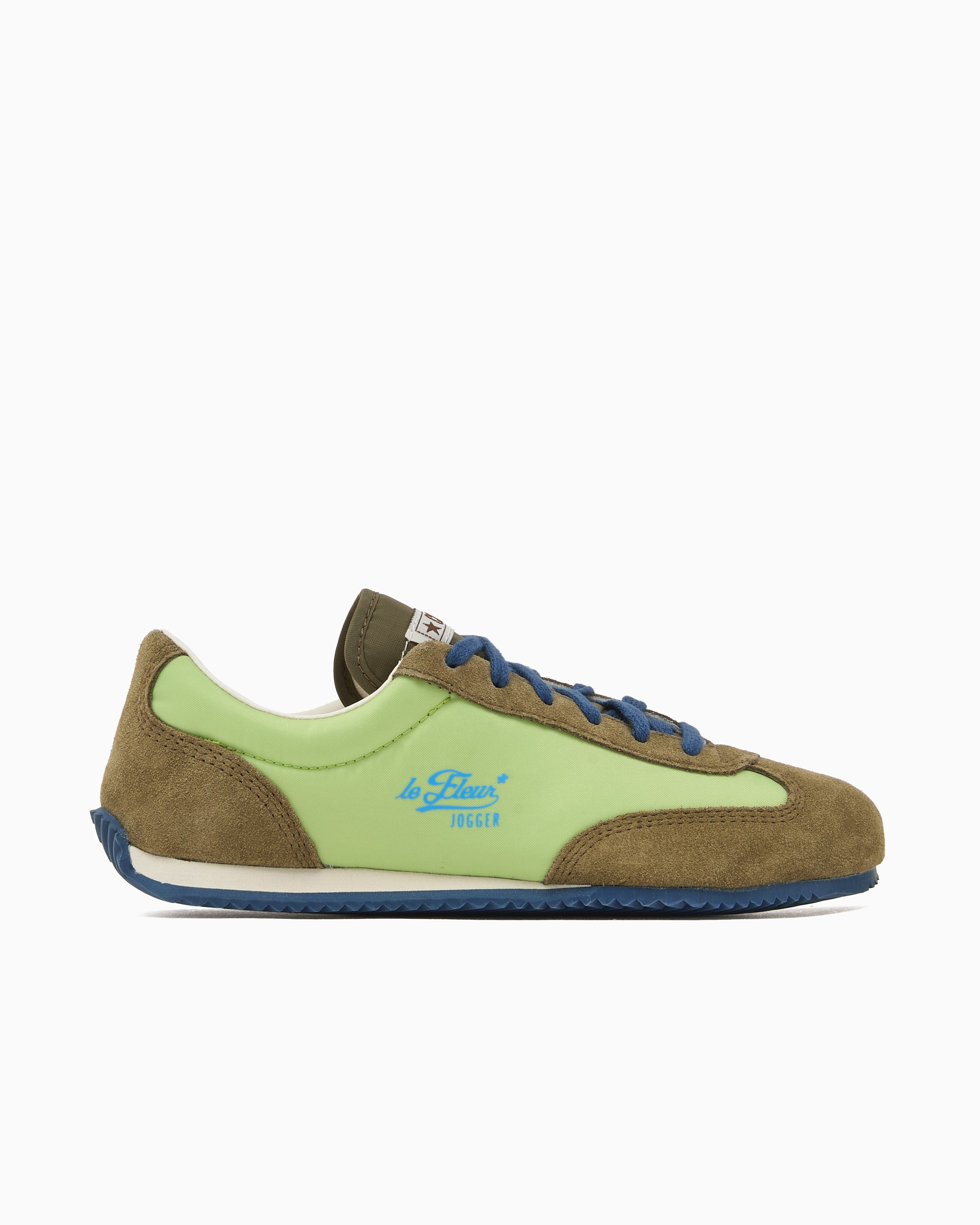
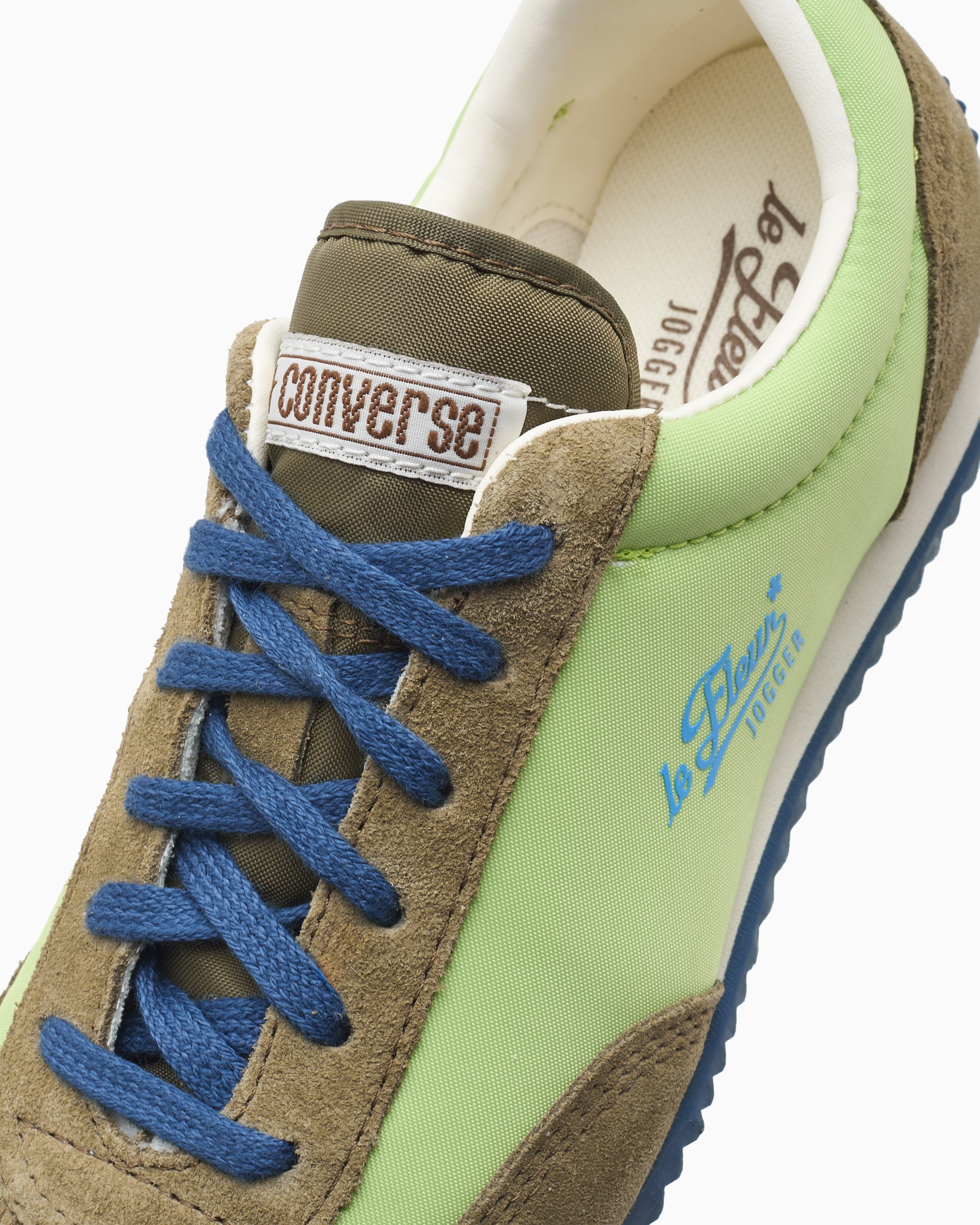
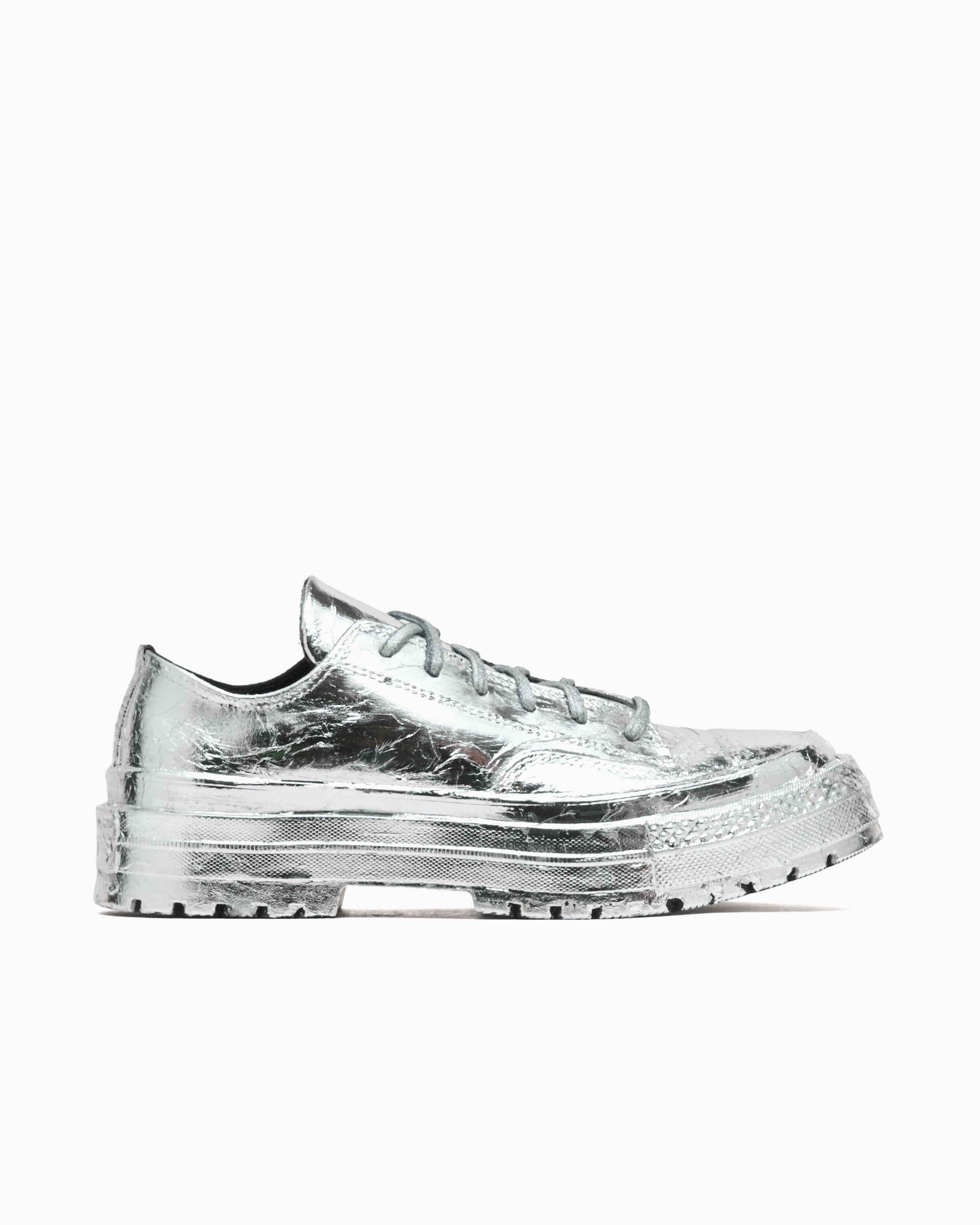
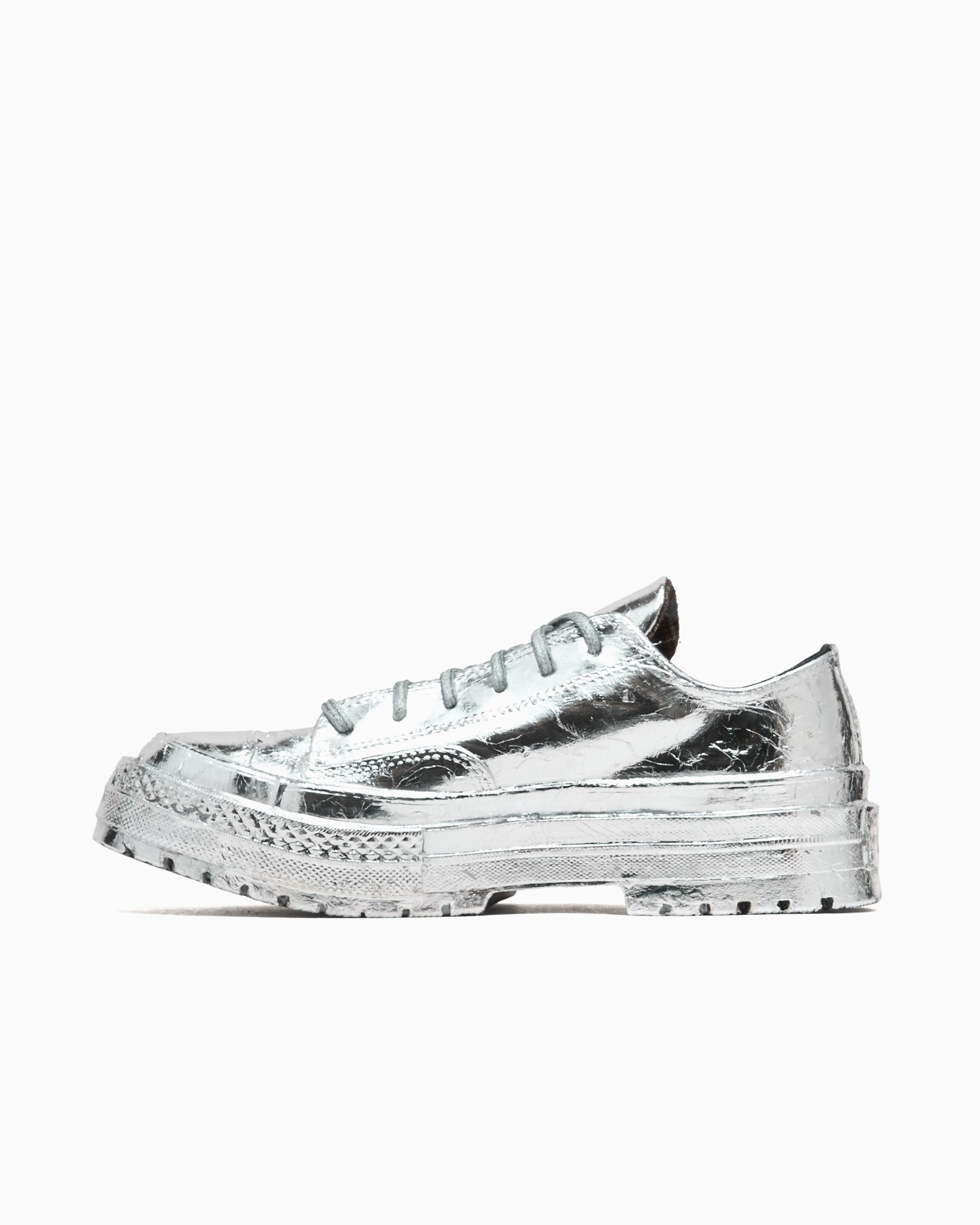
The Converse One Star, created in the 1970s as a successor to the Chuck Taylor, derived its name from the streets and has since gained popularity among musicians and skaters in various editions.
In the 1970s, the Converse One Star was the natural successor to the Converse Chuck Taylor, a shoe that was already legendary, despite the fact that its technology had become obsolete for basketball court use.
La Converse One Star, principalmente en suede, fue la opción elegida por jugadores de baloncesto profesional, aunque su presencia bajo los aros fueTheir true impact was felt on the streets, where the official name, Converse All Star, was replaced by a new nickname, Converse One Star. Success began in hip hop and unexpectedly resurfaced in the 1990s with new collectives.
Converse One Star, reborn in the 90’s
The revival of the Converse One Star during the 1990s was linked to new urban tribes that rejected fierce consumerism and embraced the style of the 1970s. First in Japan at the hands of collectors and then on the American West Coast, the One Star revived and established itself as a cultural myth.
Its impact resulted in the return of other models from the late 1960s and early 1970s that were originally catalogued simply as All Star and were later renamed the One Star family, Converse One Star Leather, Converse One Star High, Converse One Star Academy (distinguishable by the two stripes next to the star), and later the updated versions with new skate technologies, One Star Pro.
Converse One Star in FOOTDISTRICT
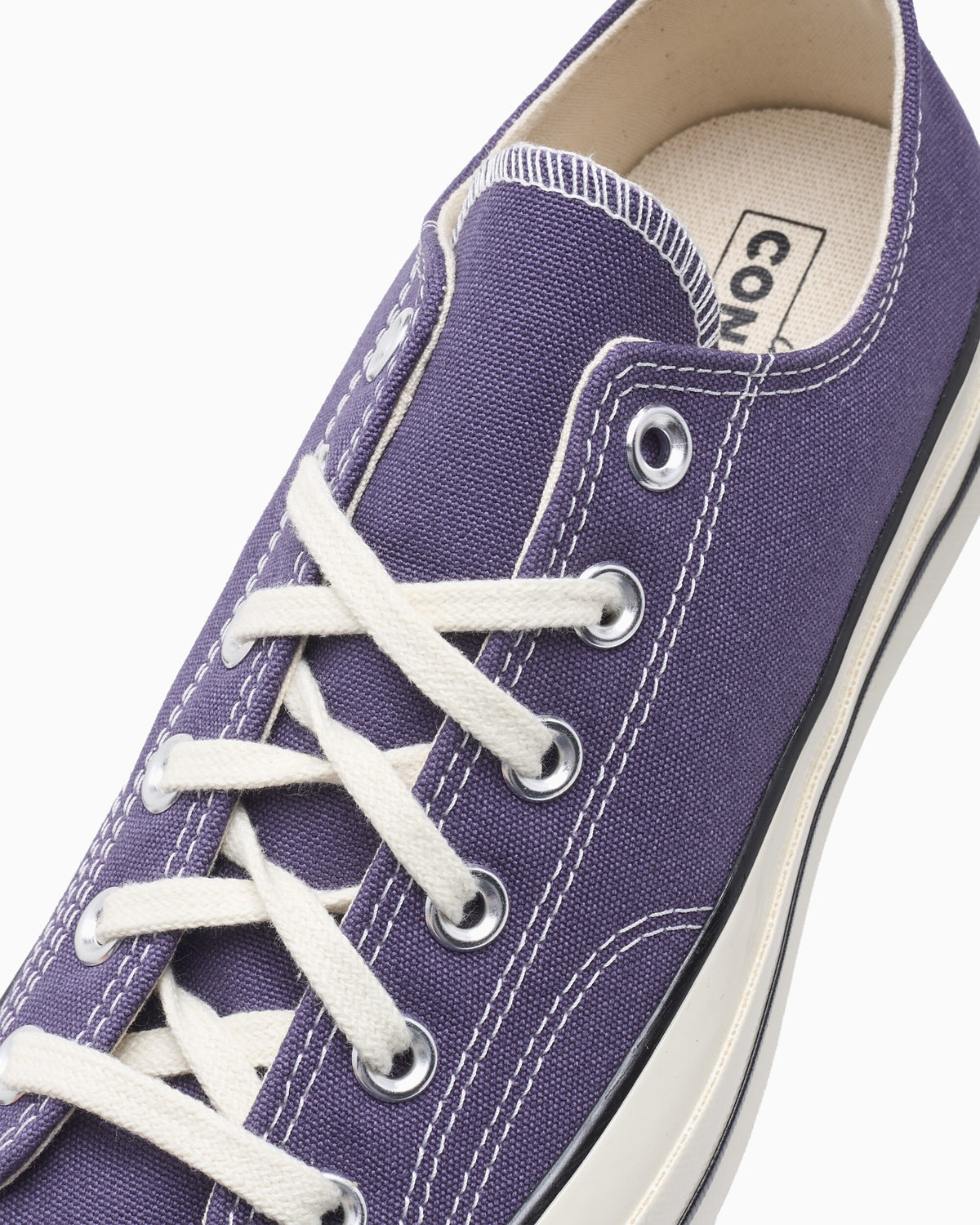
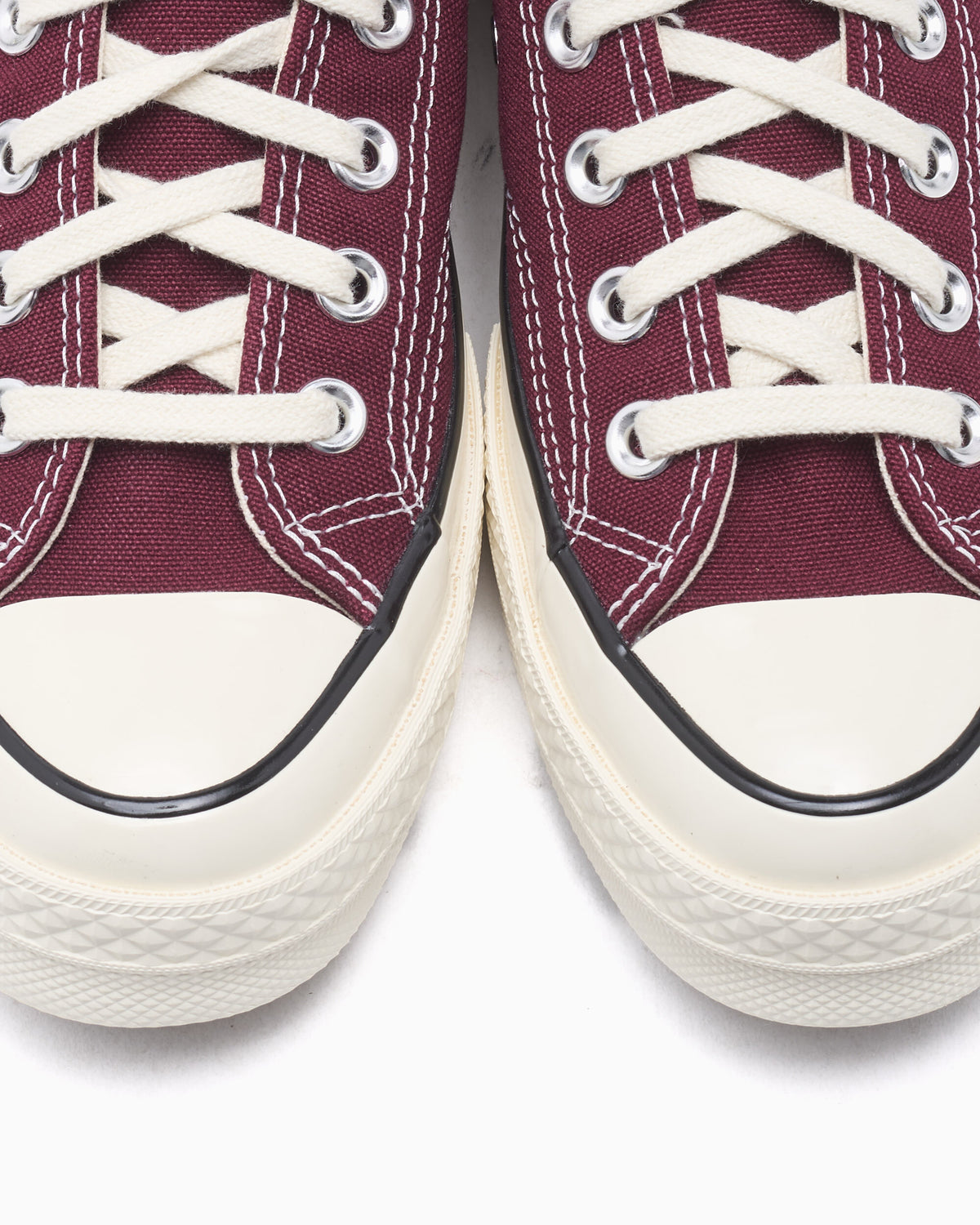
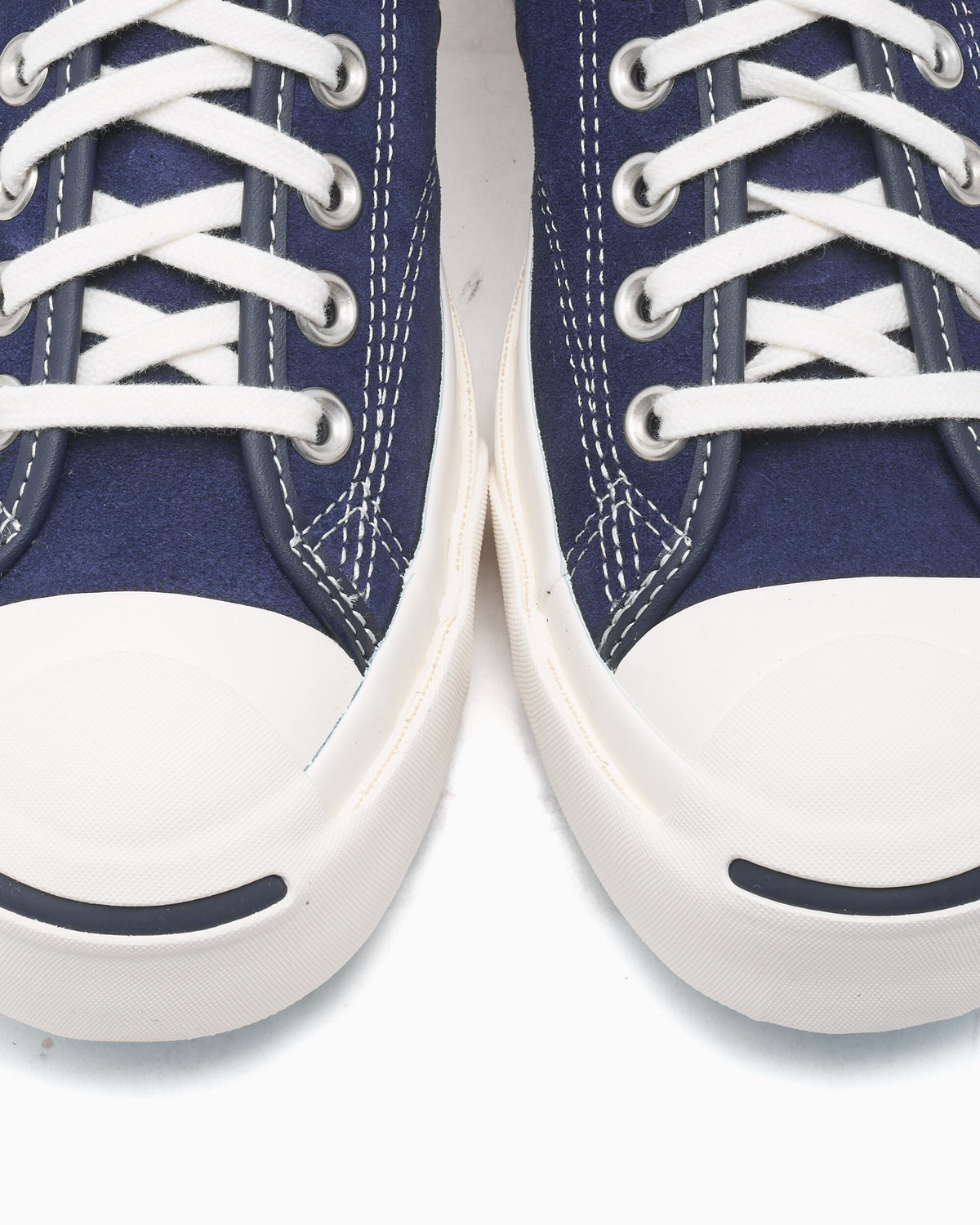
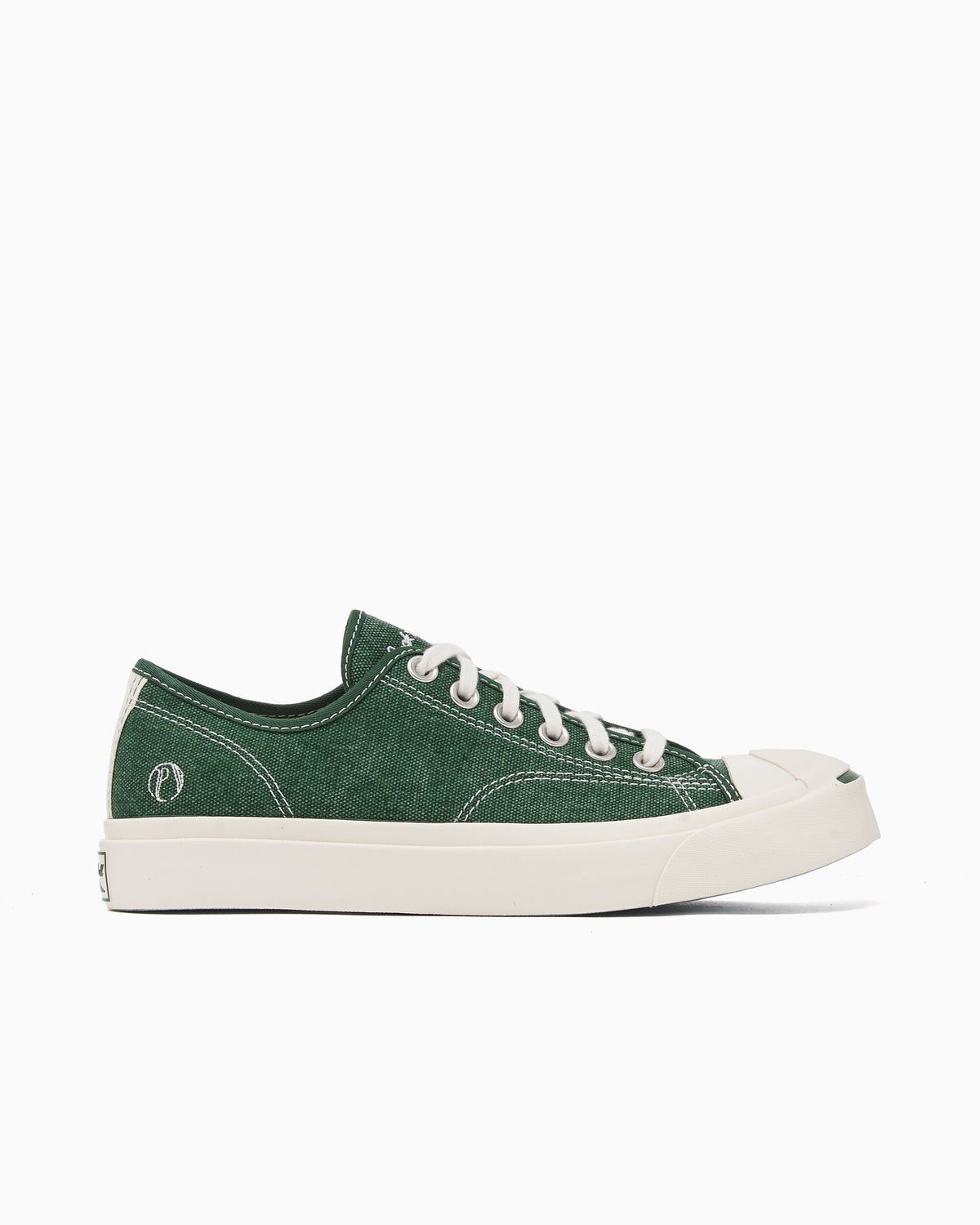
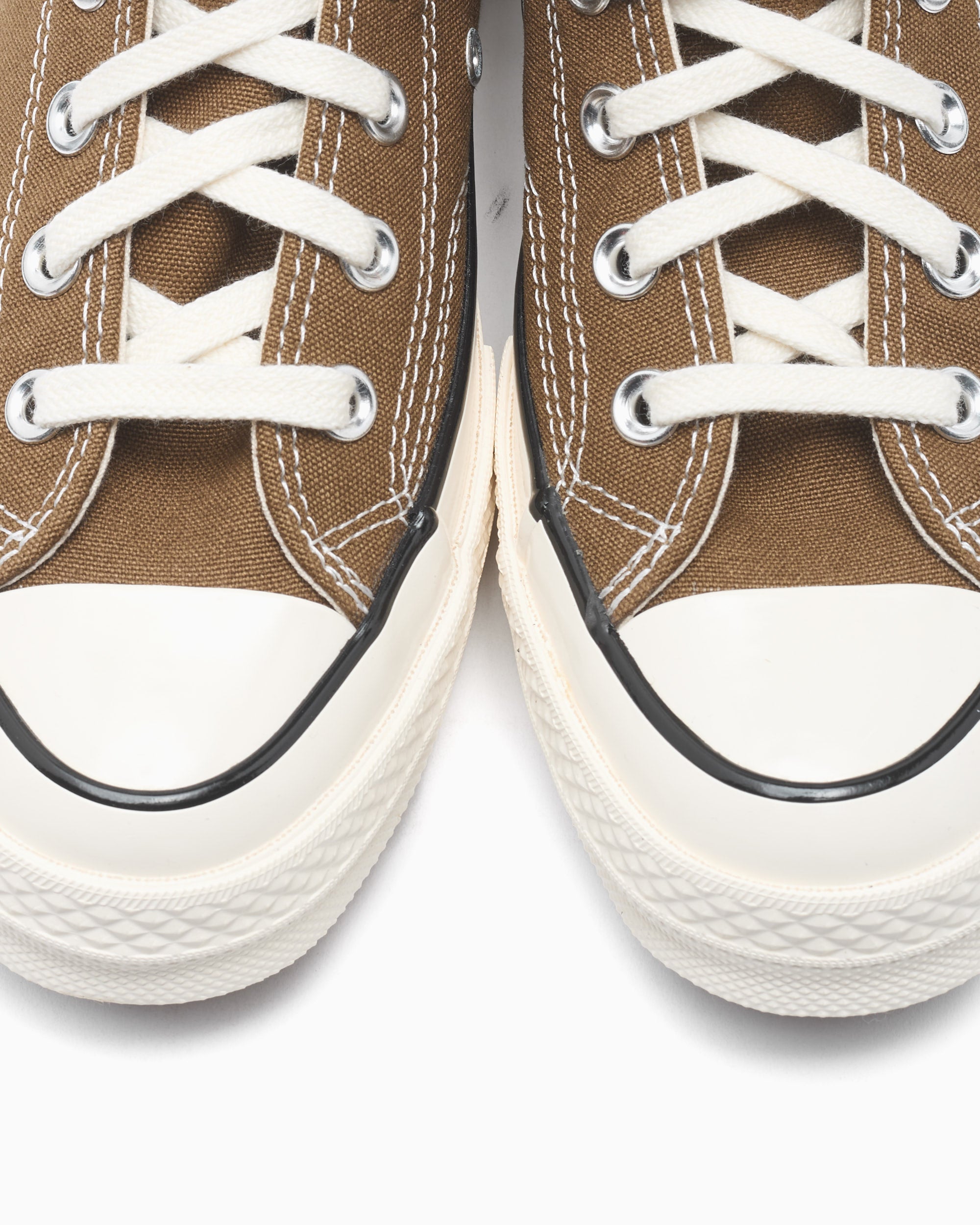
The various versions and colors of the Converse One Star have a special section in the FOOTDISTRICT catalogue.