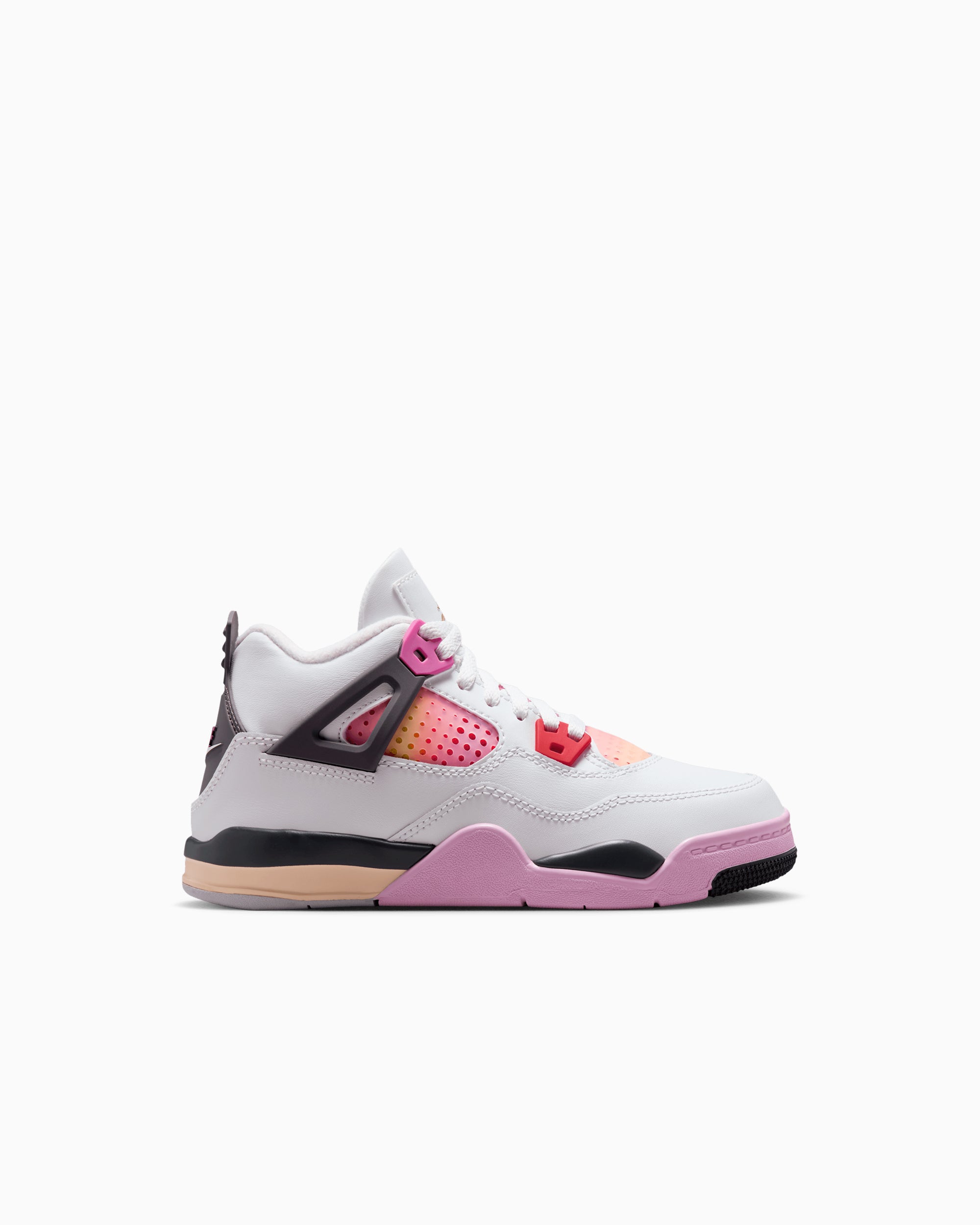
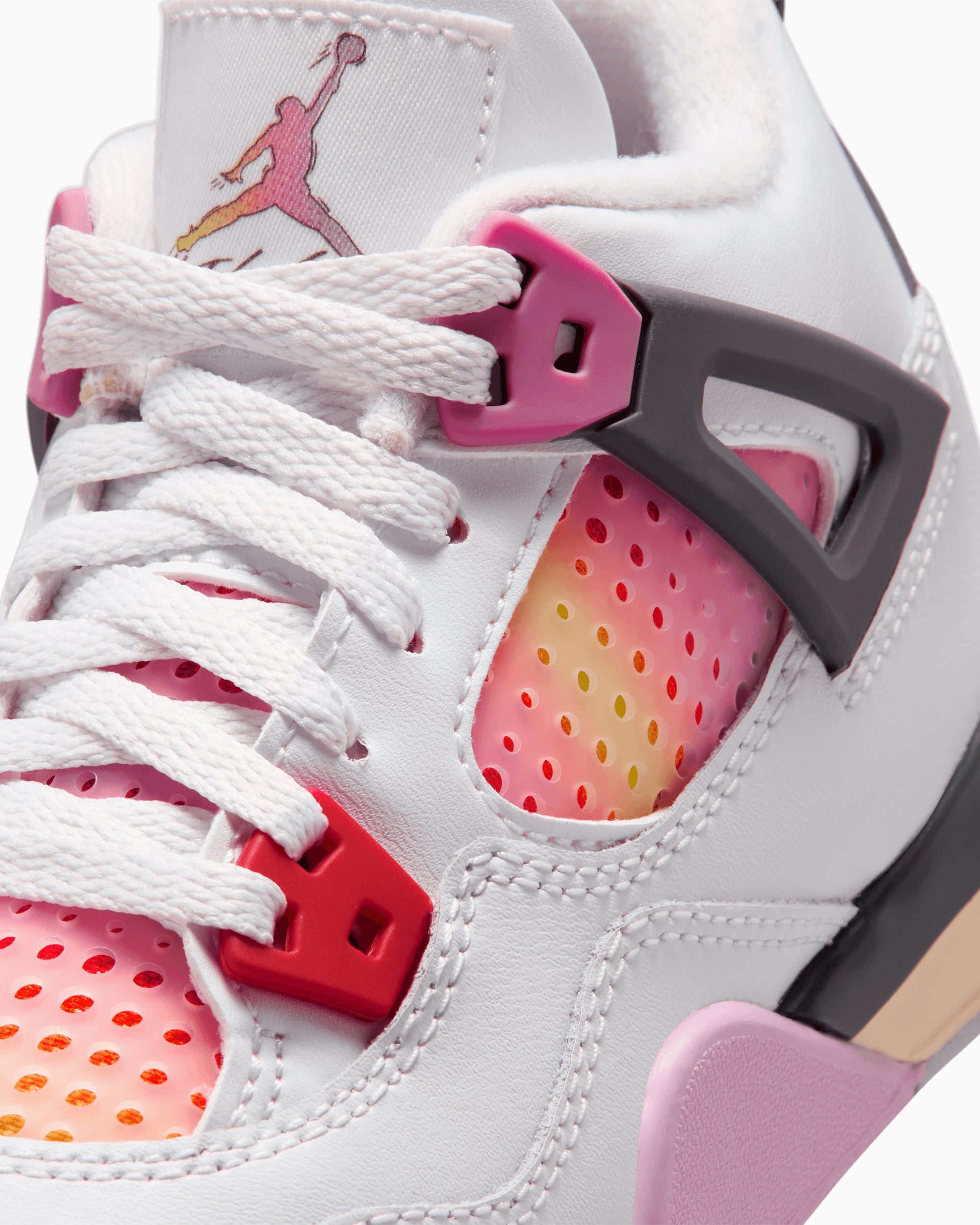
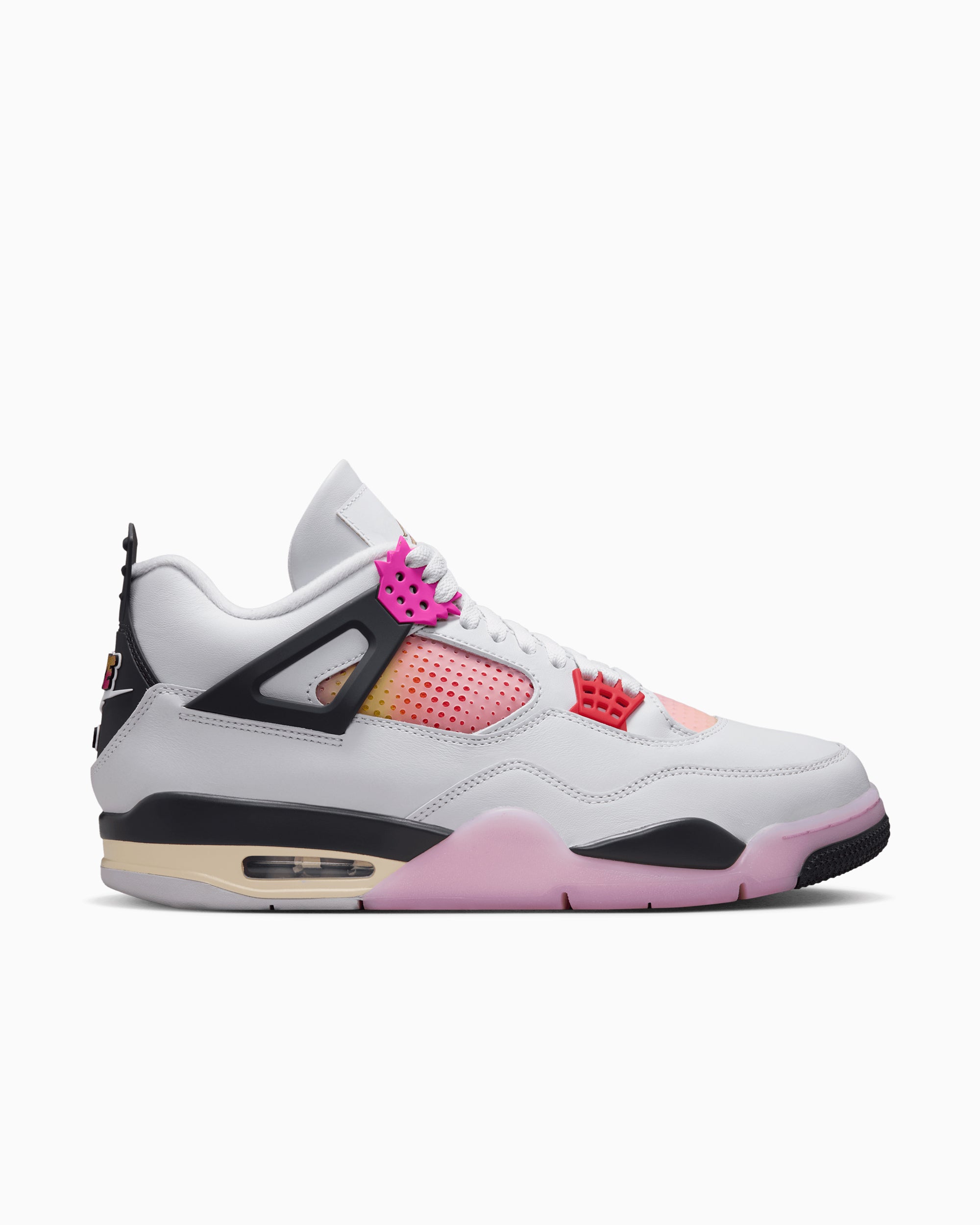
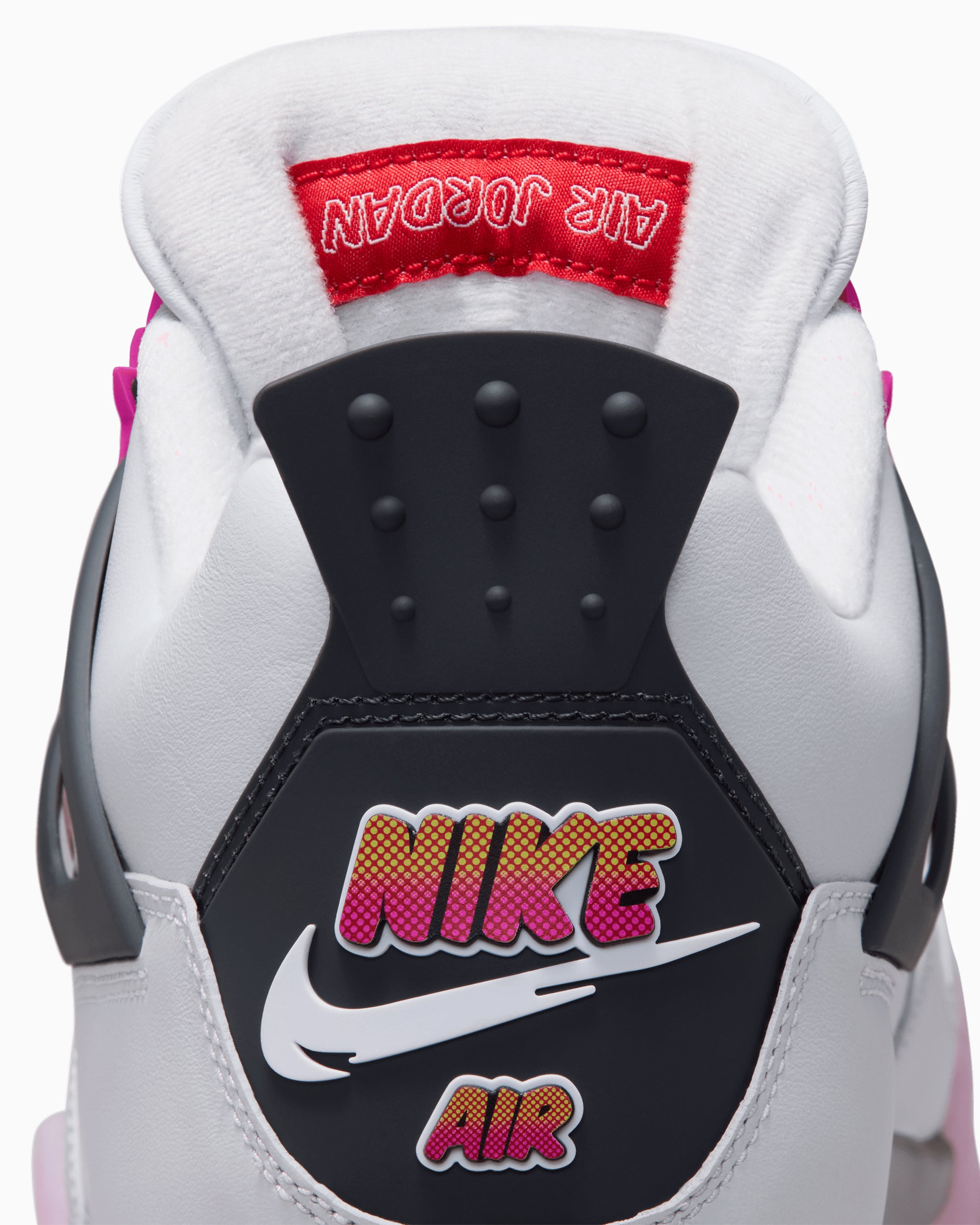
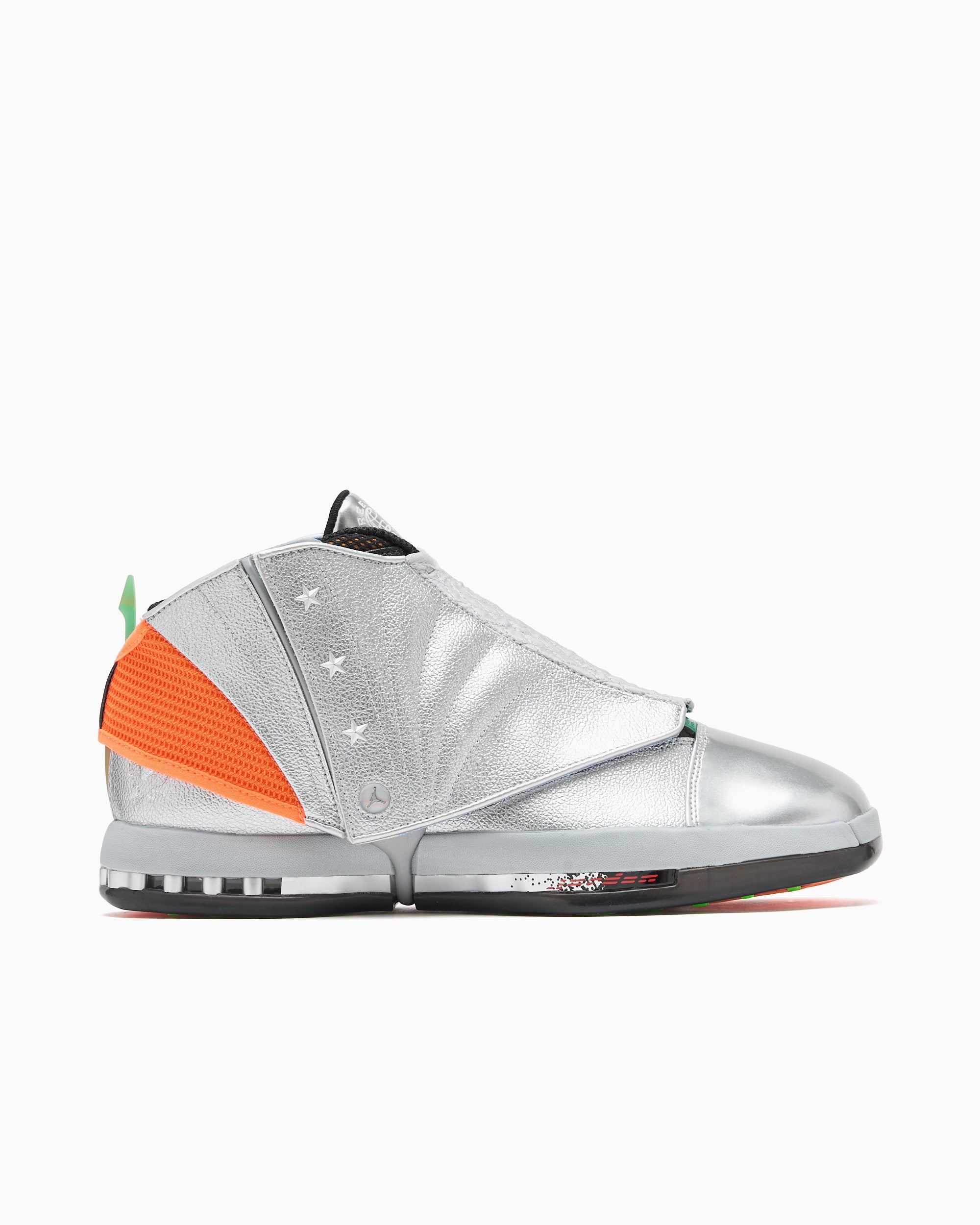
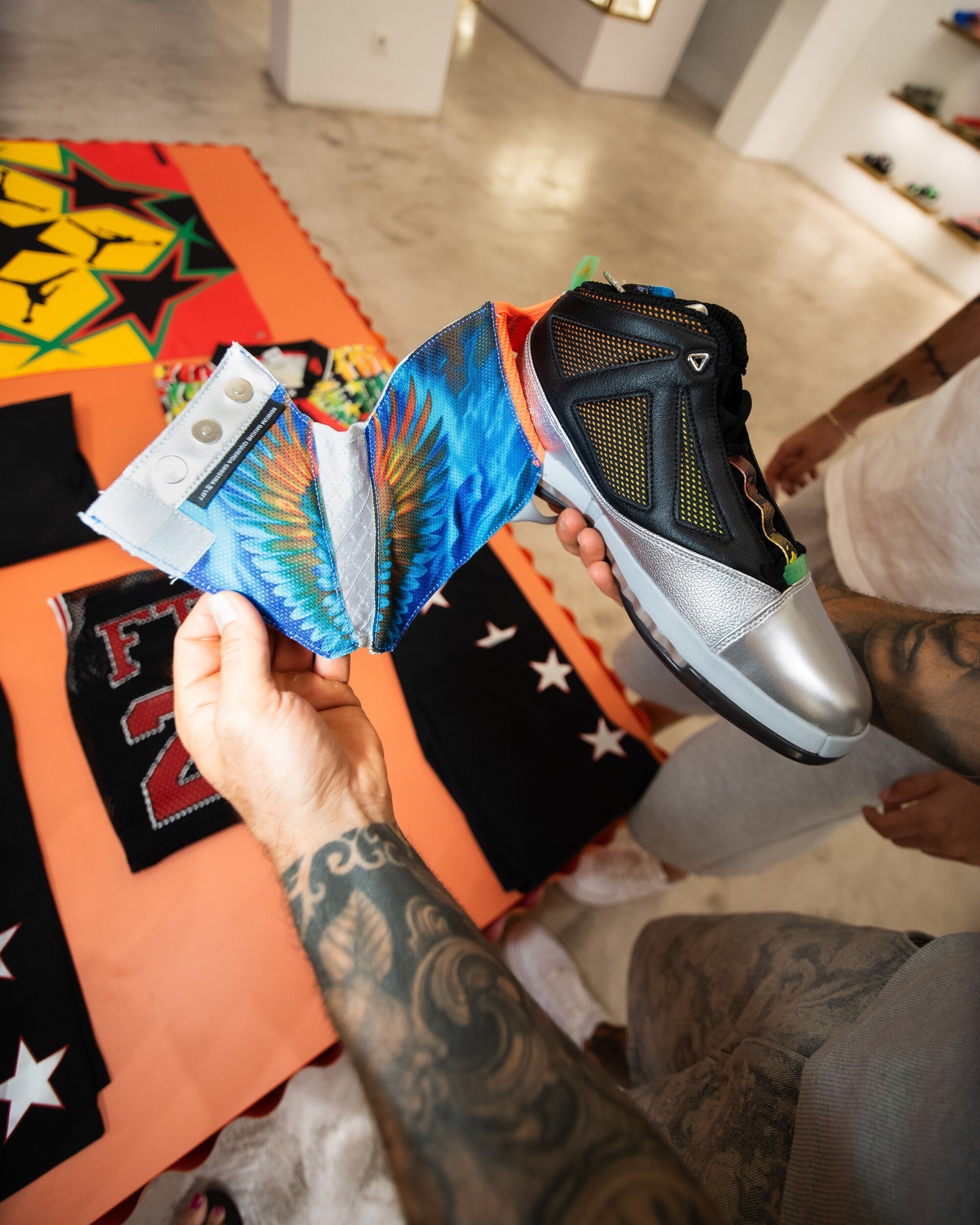
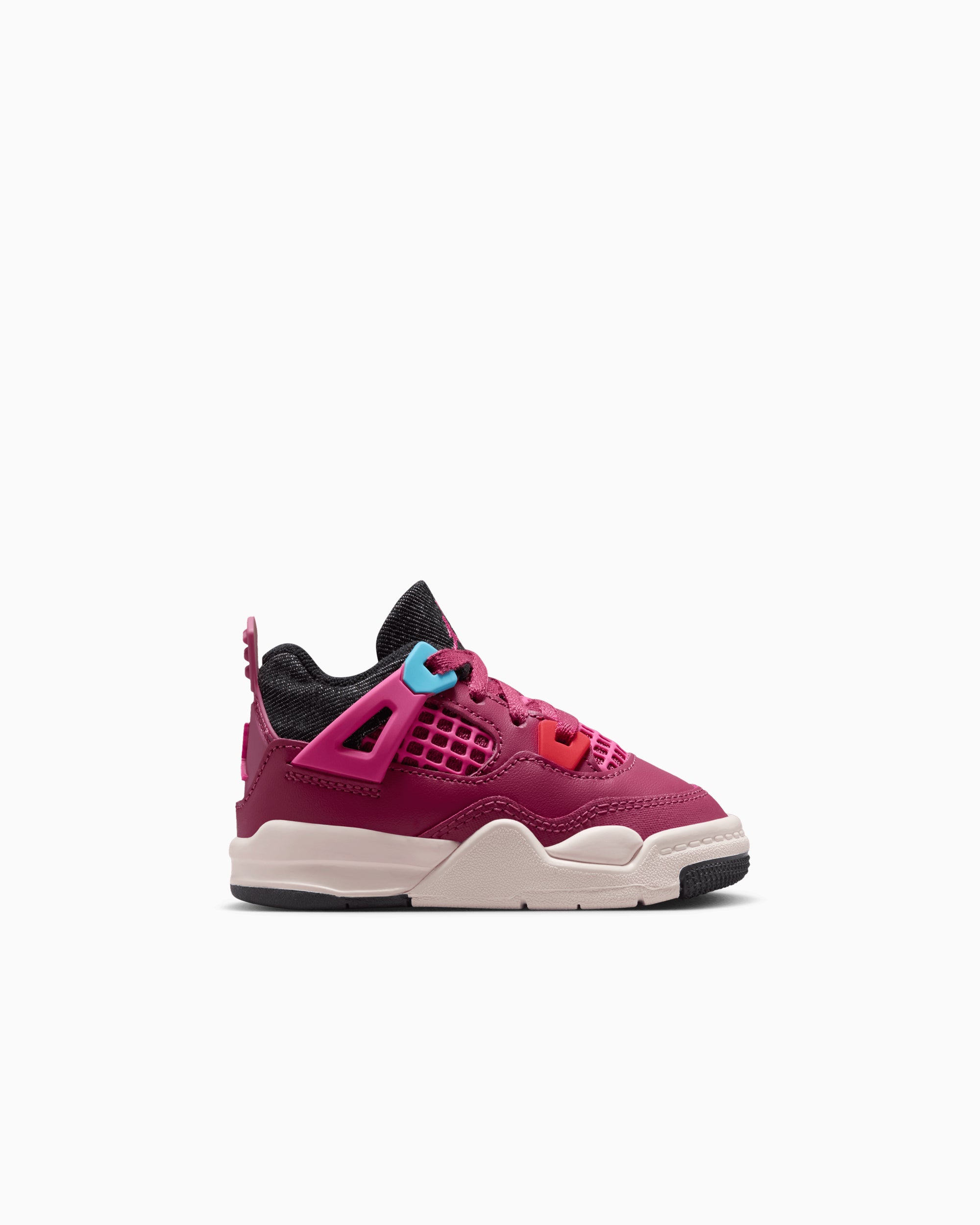
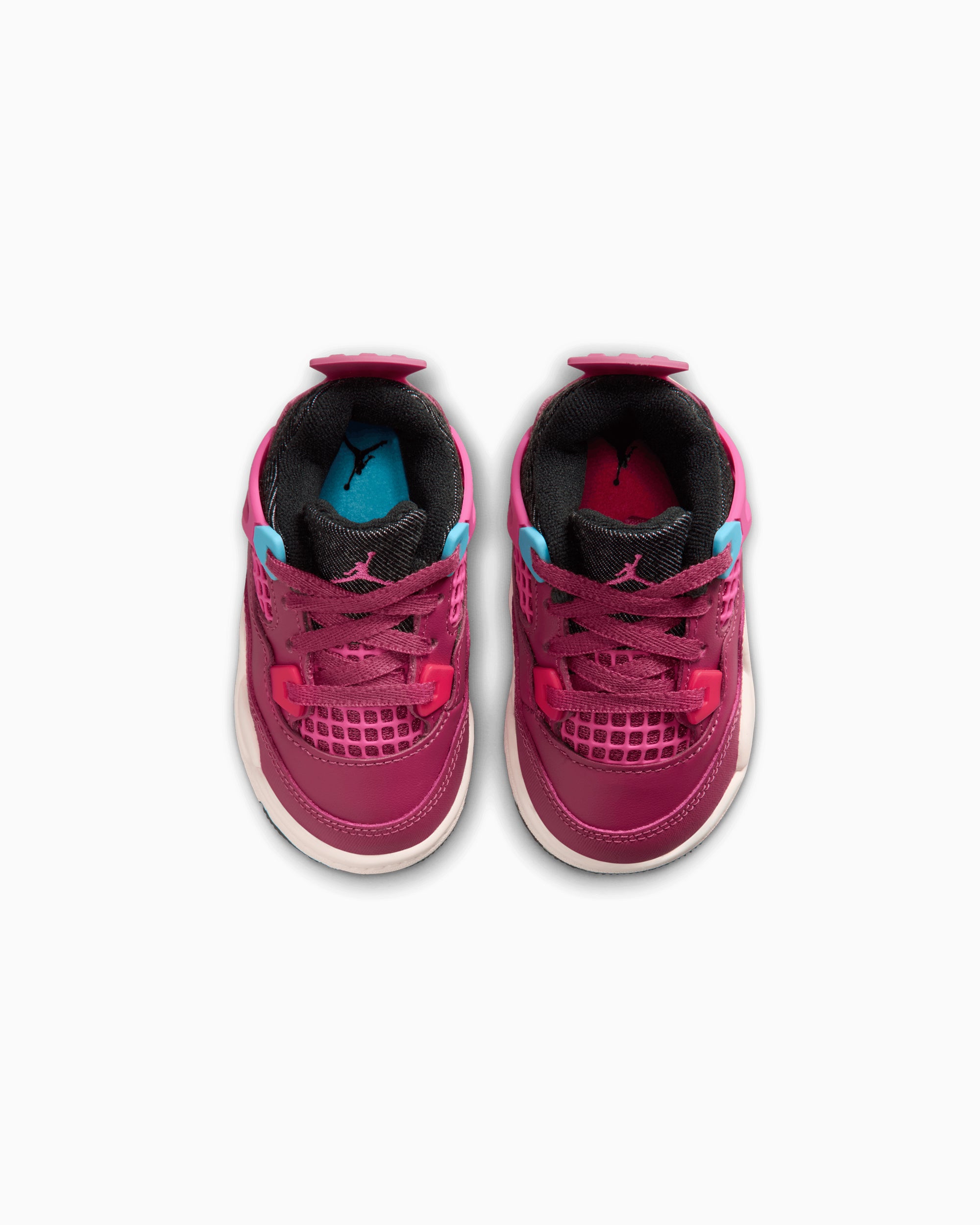
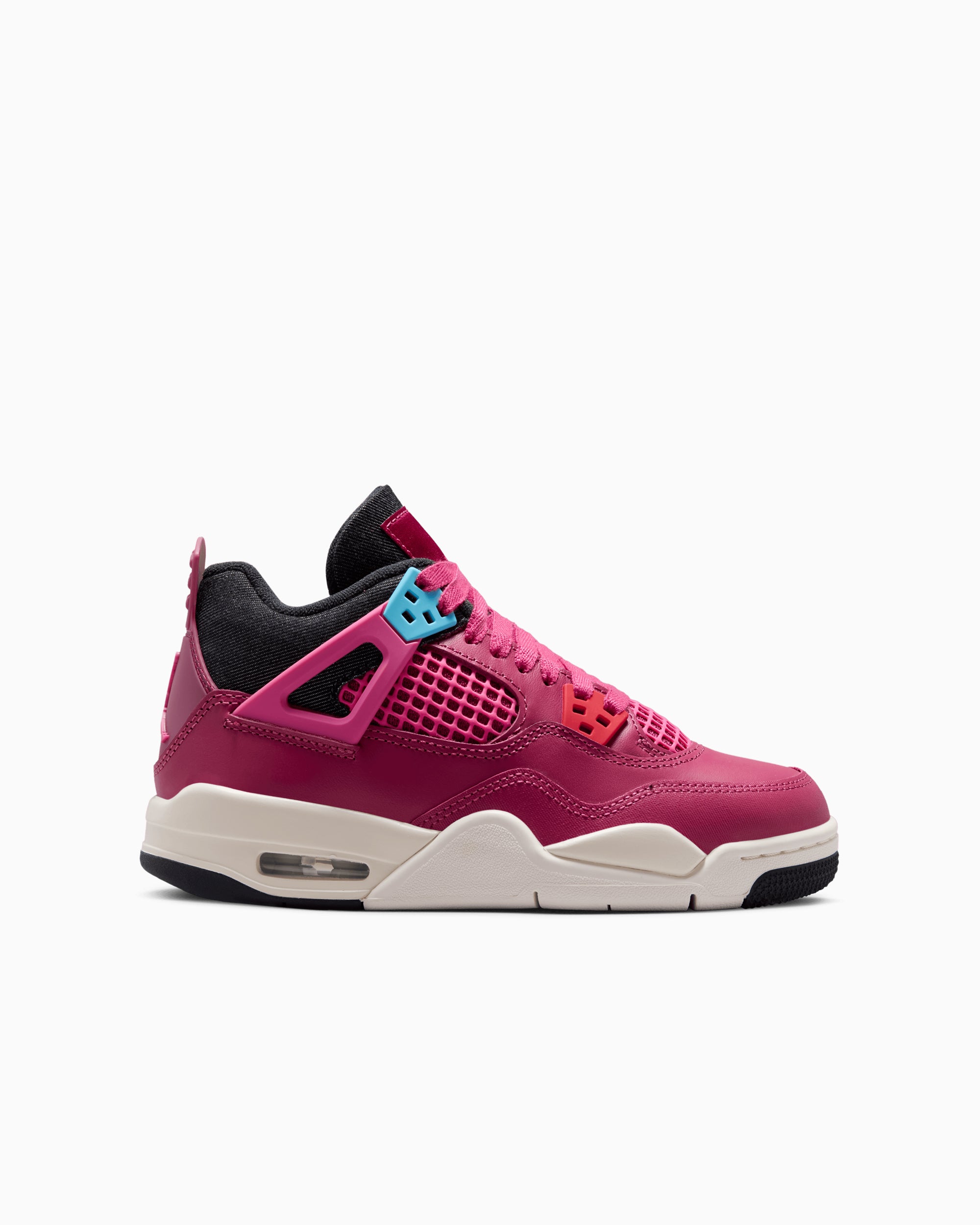
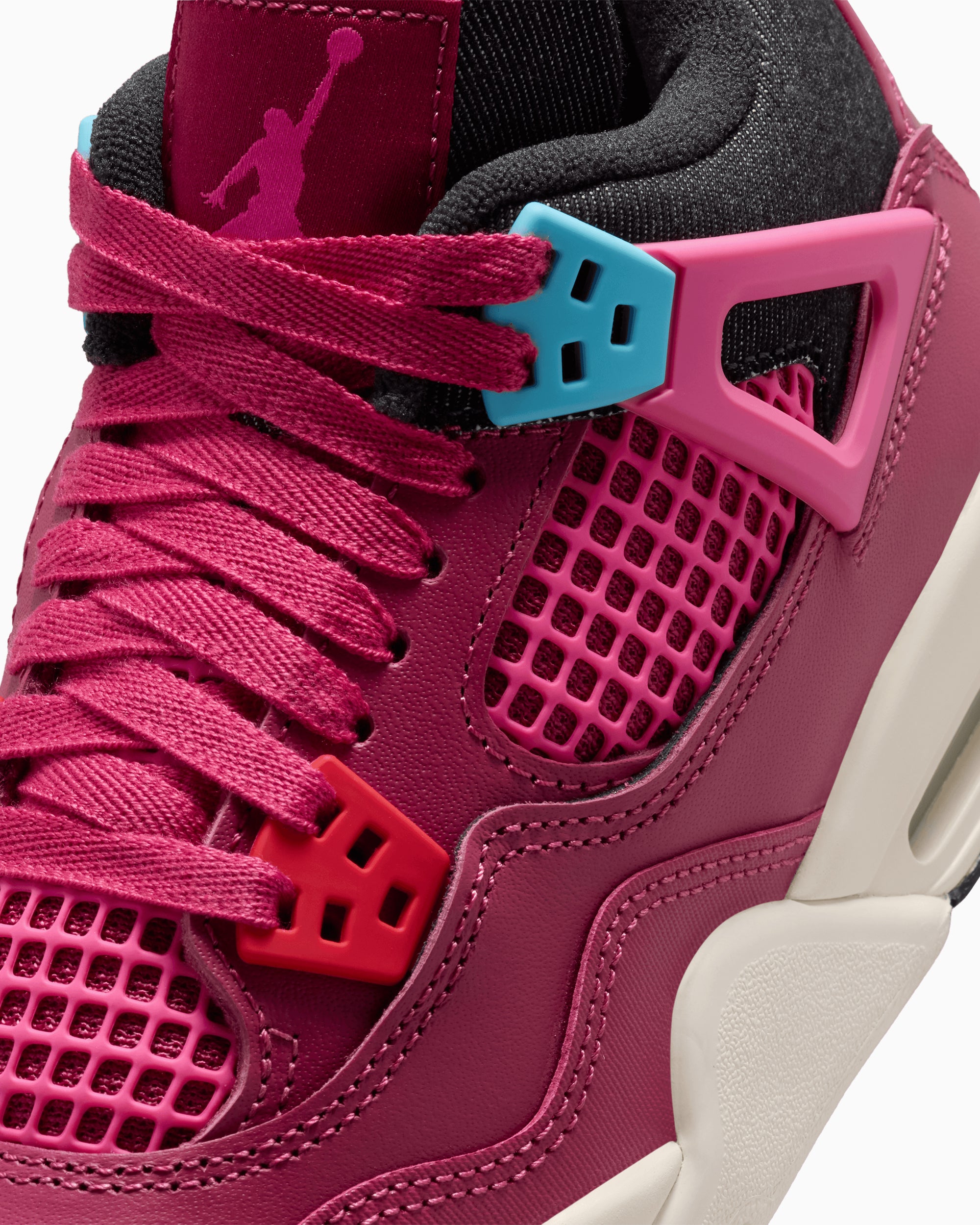
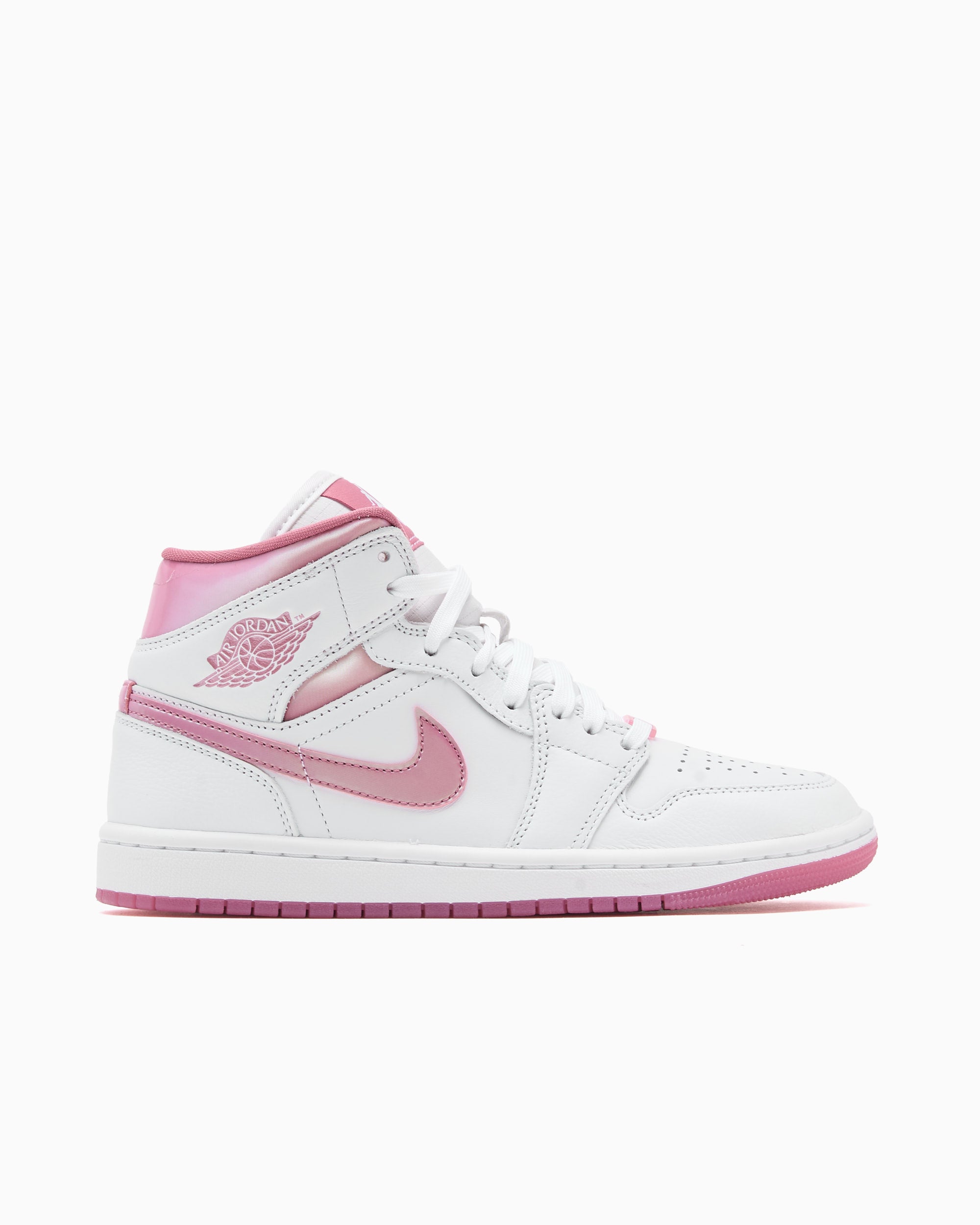
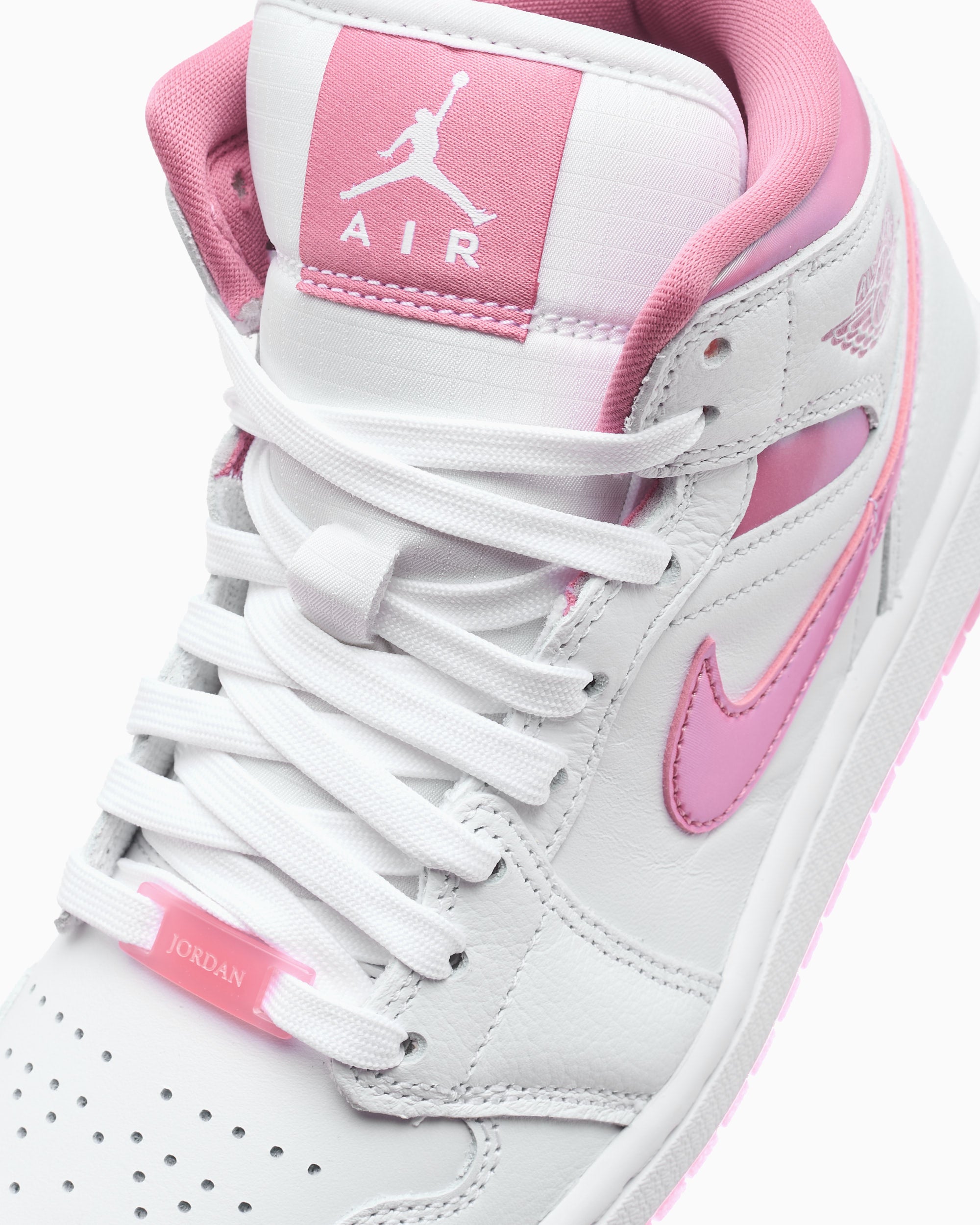
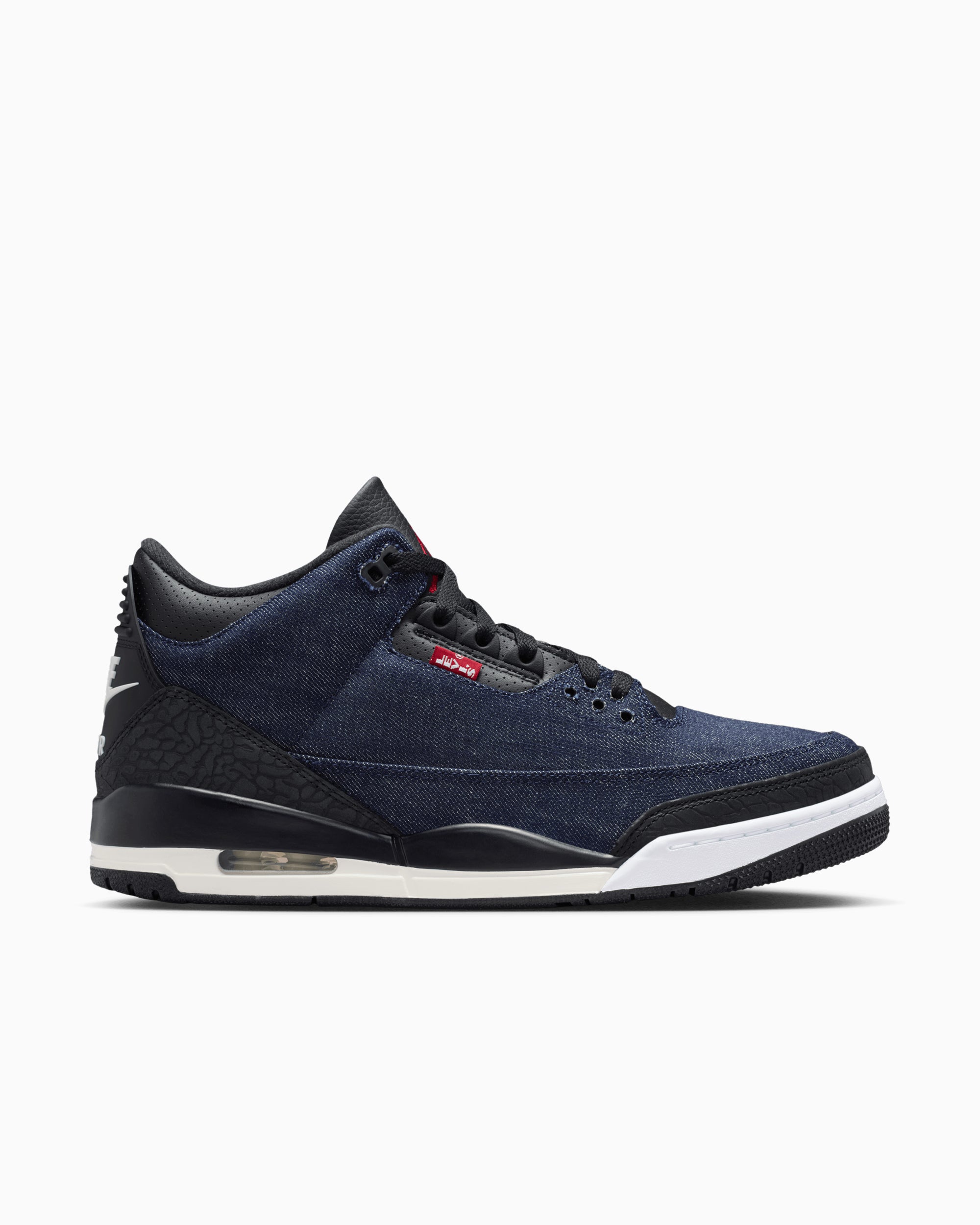
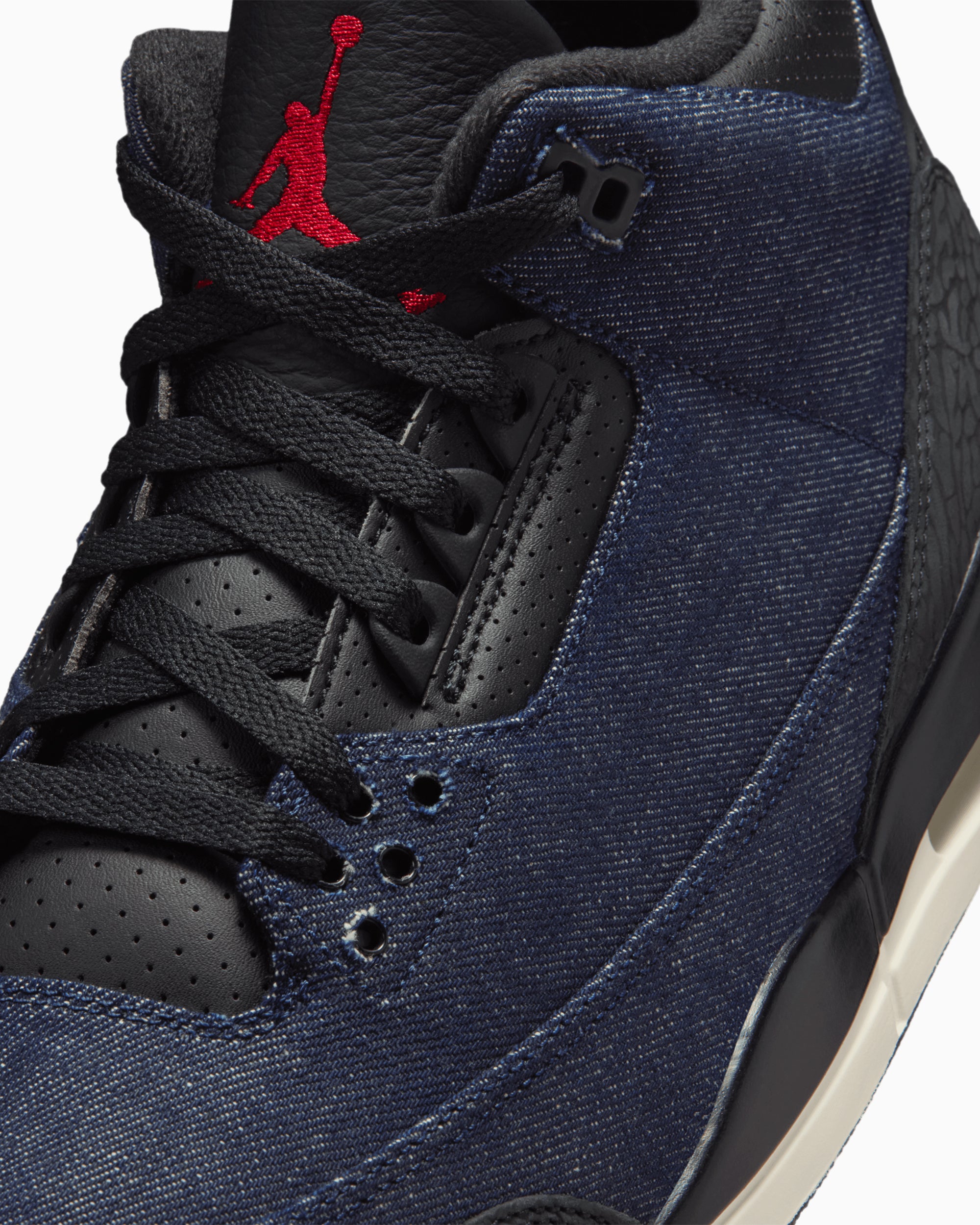
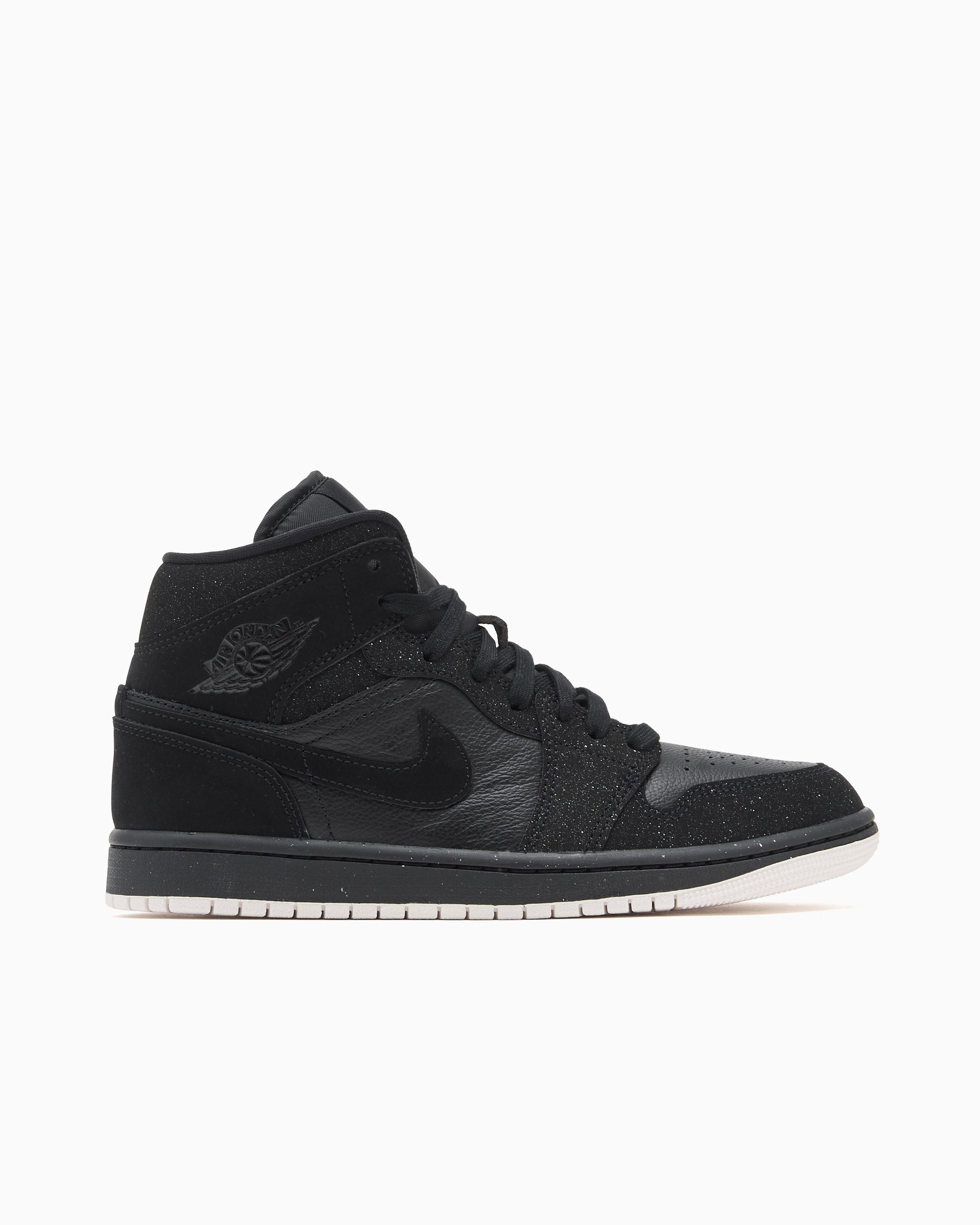
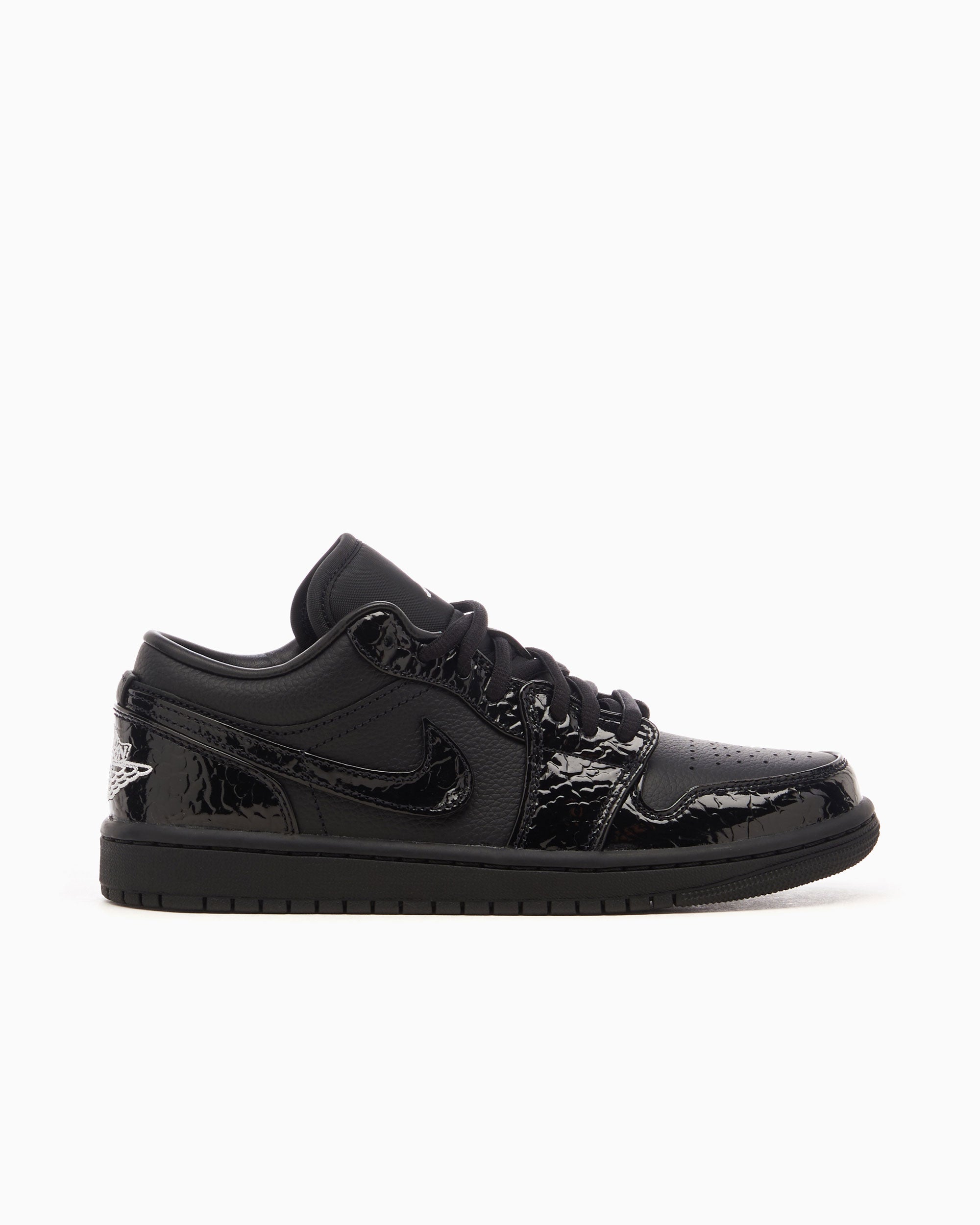
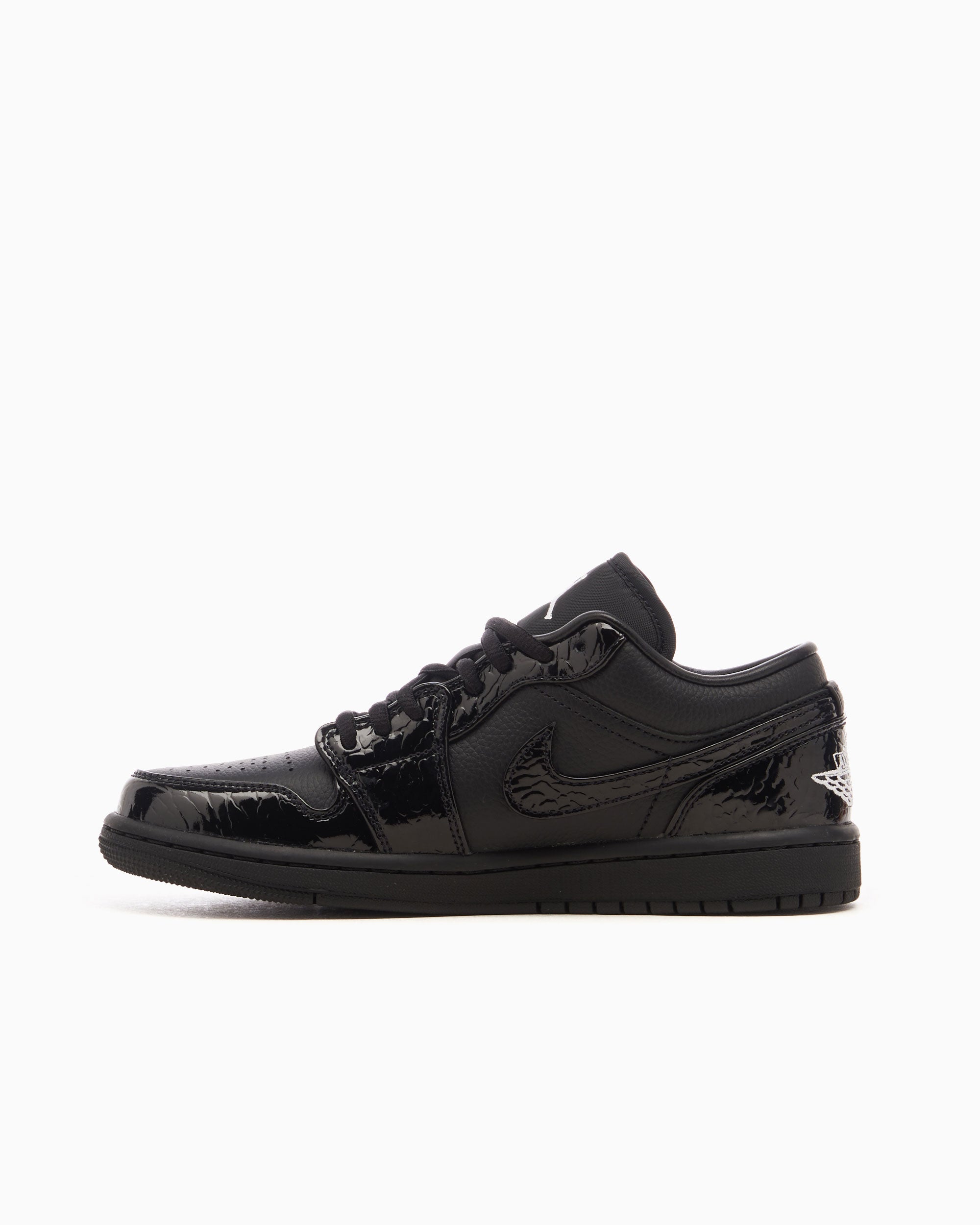
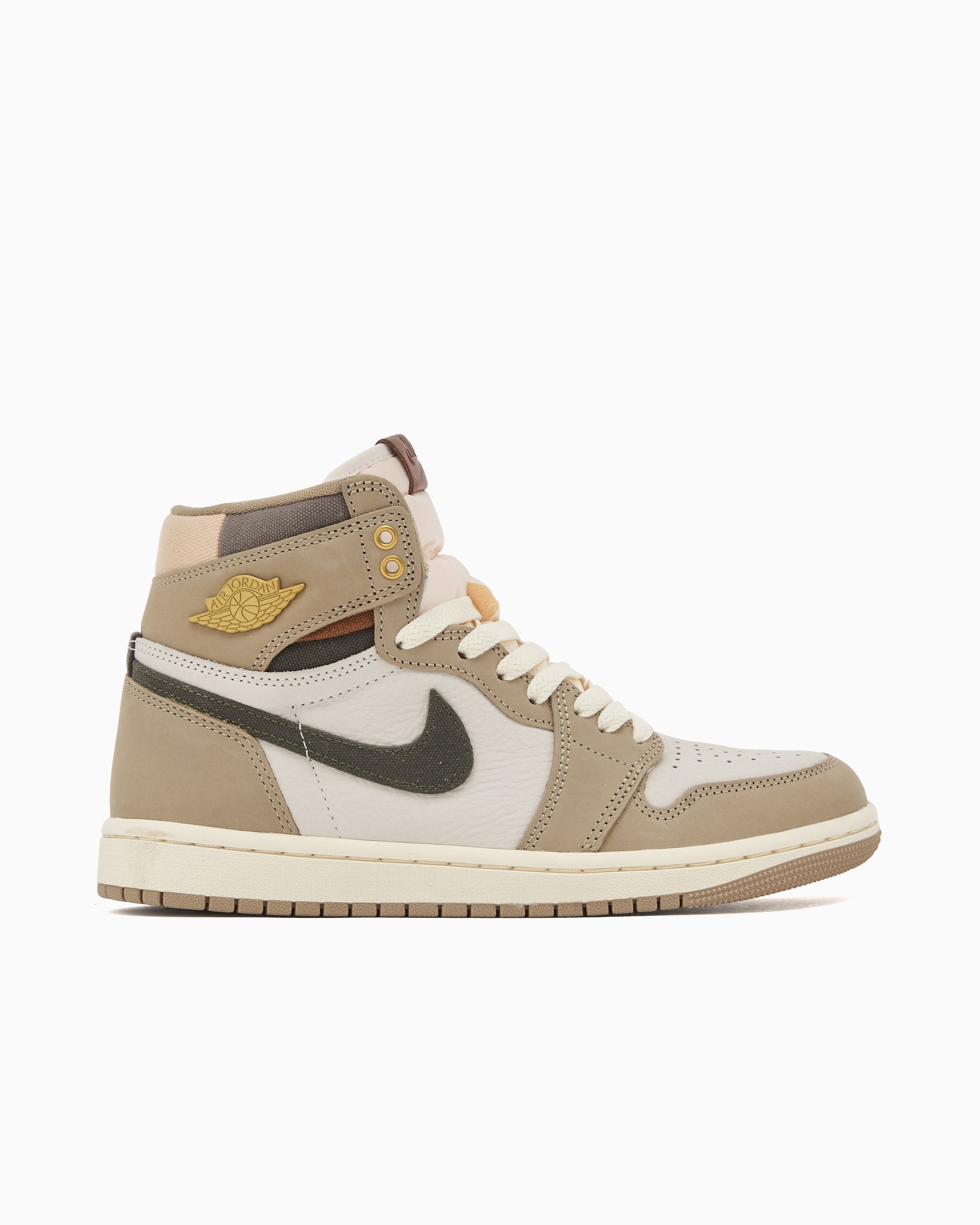
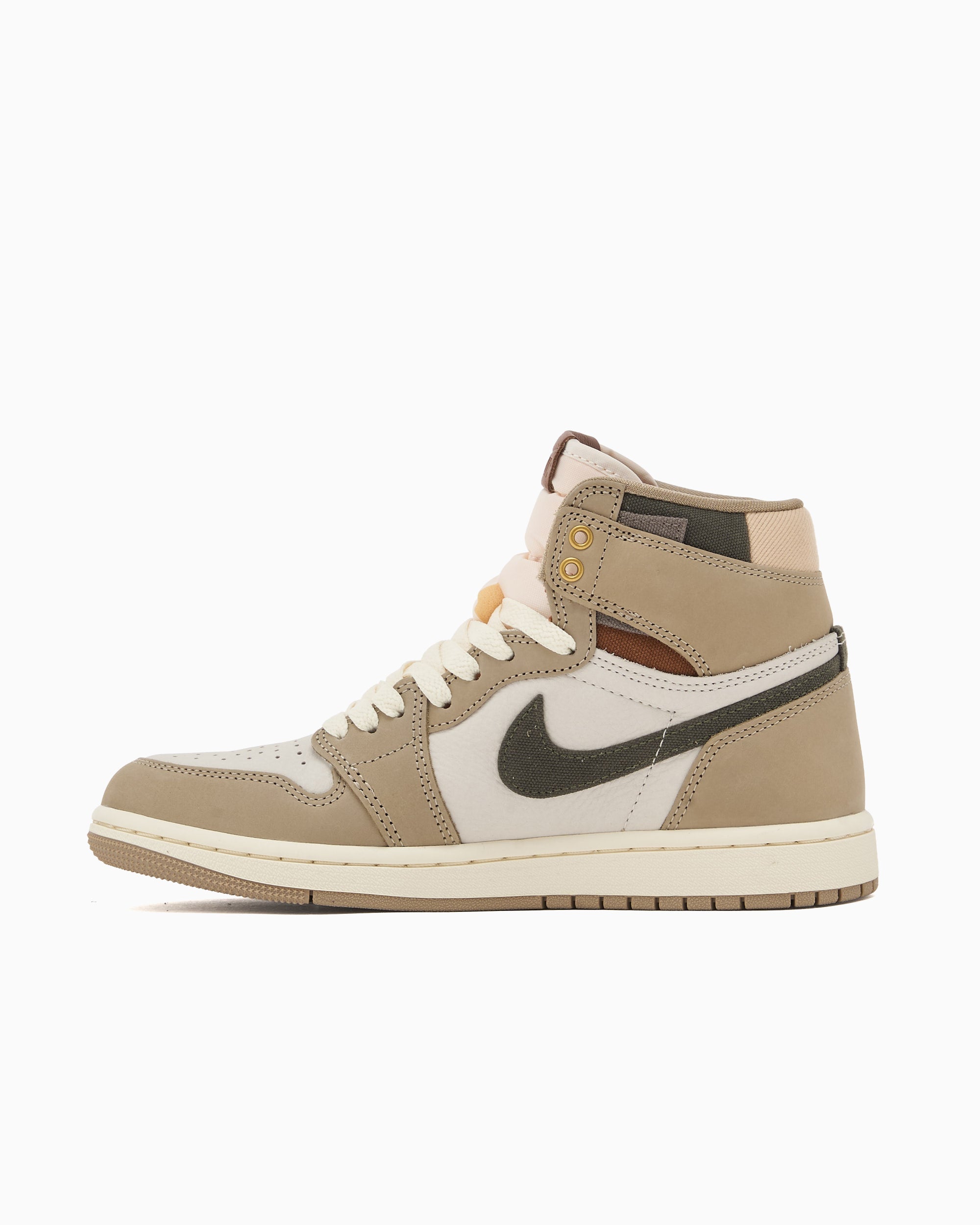
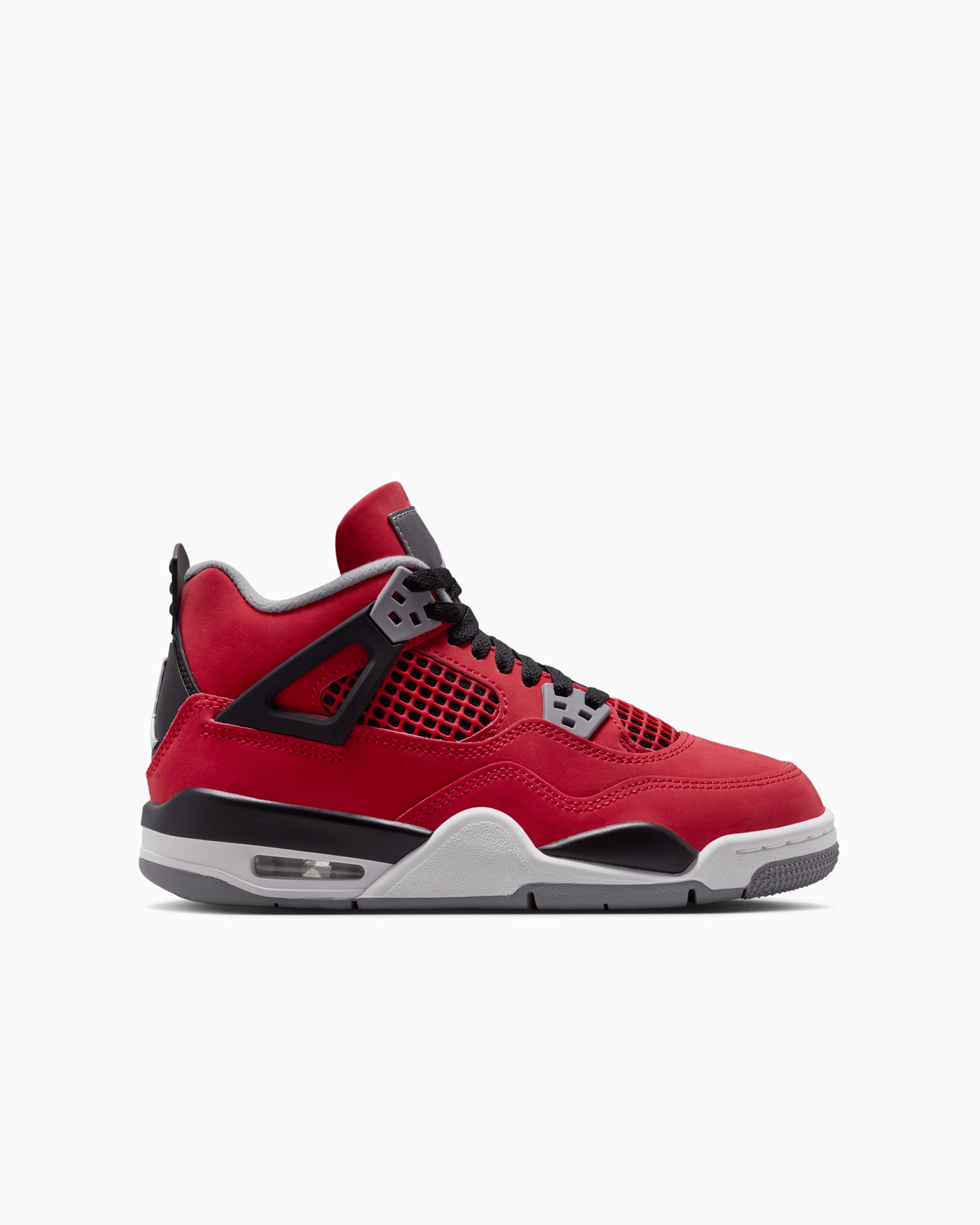
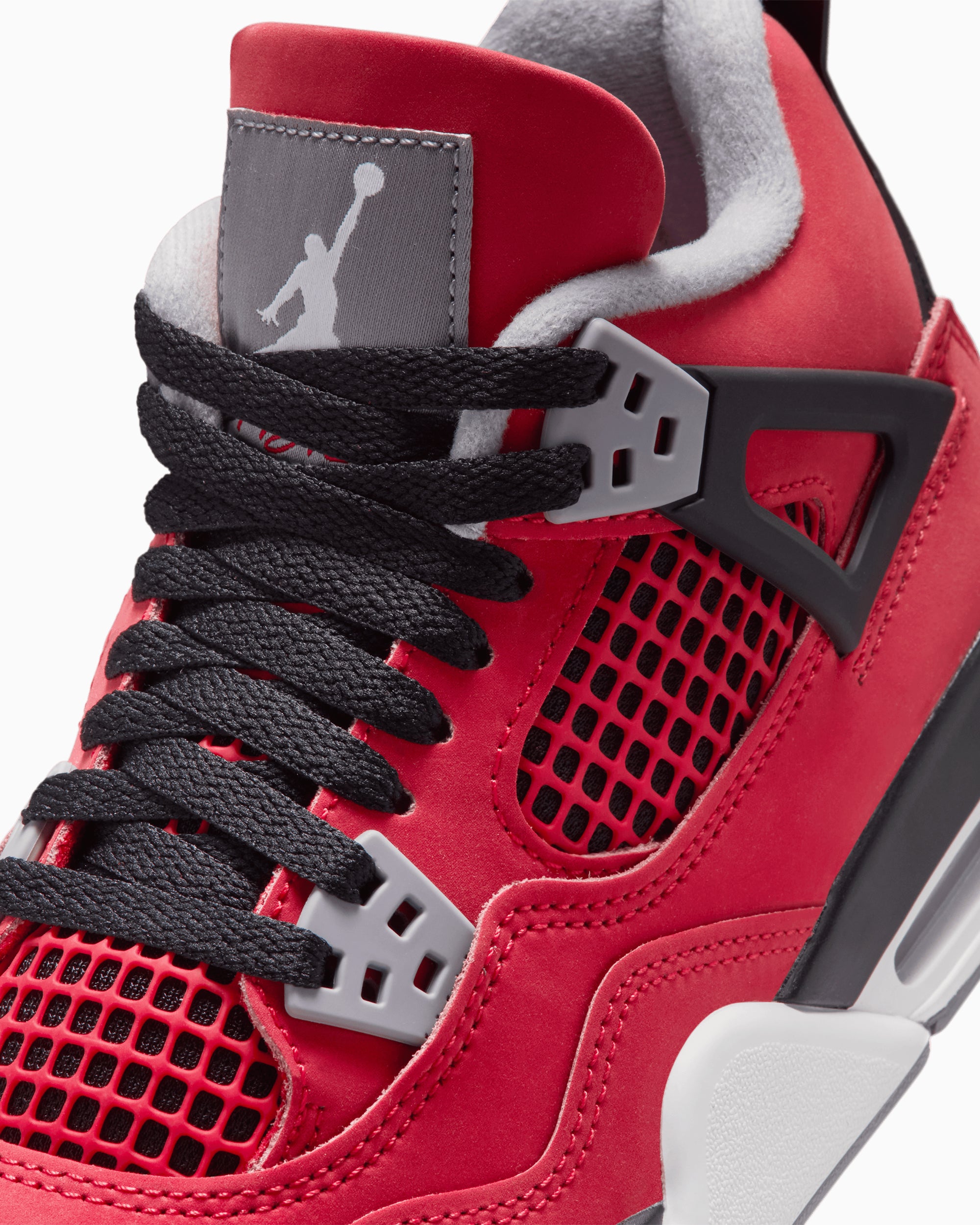
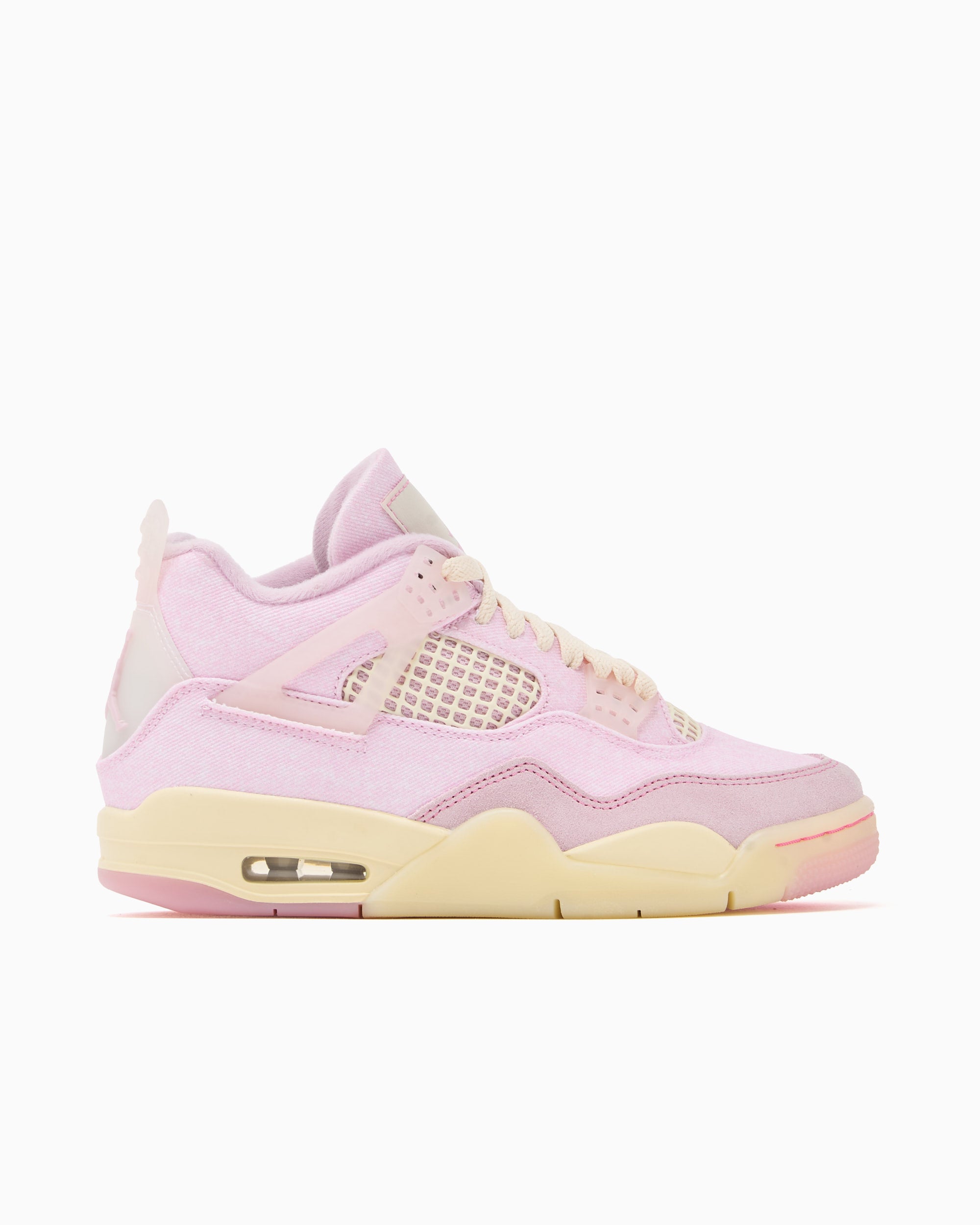
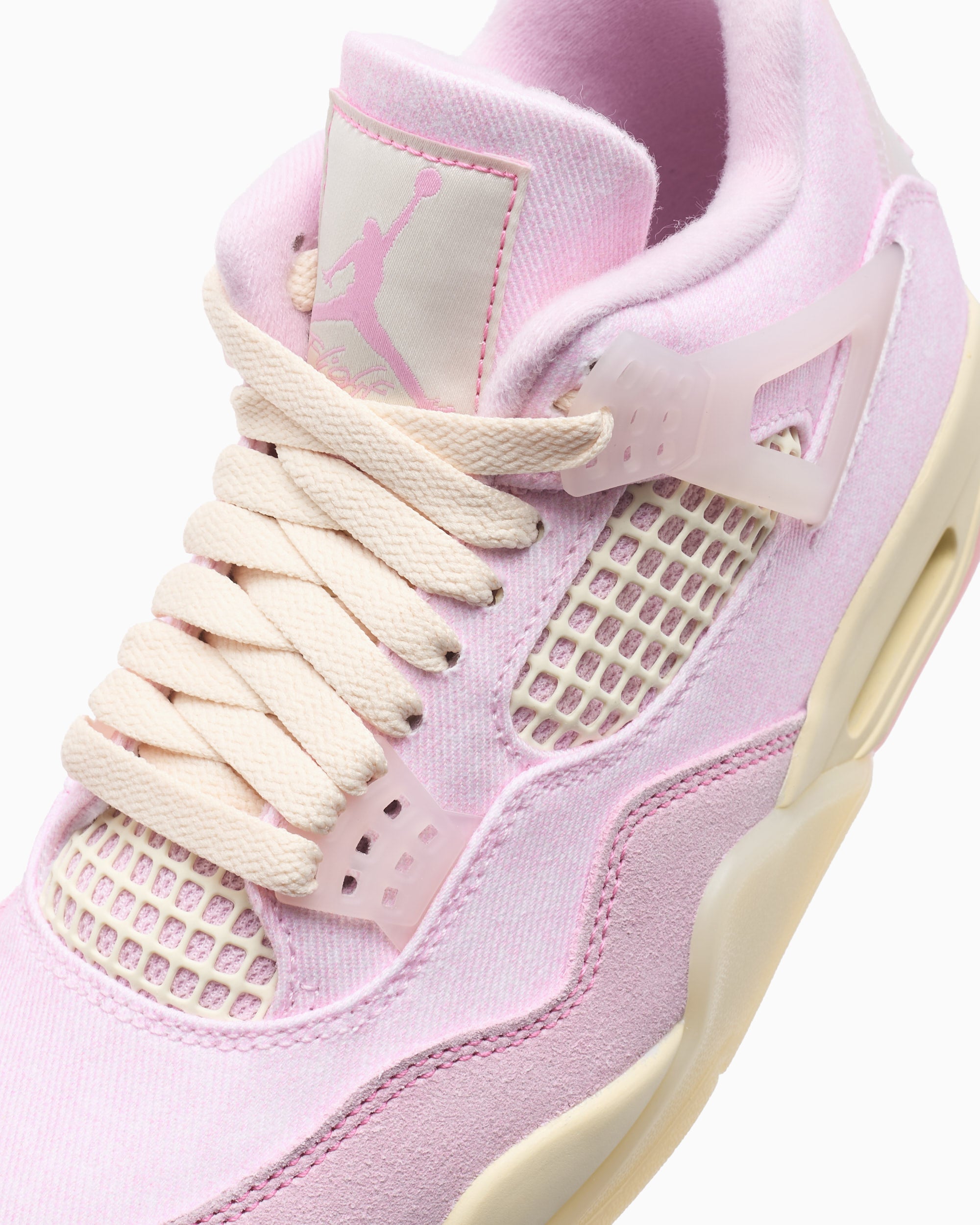
Jordan sneakers have become legends in the sport, culture, and history of basketball. Ever since Michael Jordan began wearing them back in the 1980s, sneakerheads and collectors throughout the years have continued to be obsessed with them, as each Air Jordan inspires in a way that no other sneaker has or ever will, and it is undeniable that it will go on being one of the most recognized sneaker of all time throughout the generations.
The truth is that at first Michael Jordan played in Converse and adidas sneakers, but everything changed when Nike entered the picture and improved the offer made by the German brand. Nike was determined to sign a deal with Michael Jordan at any cost, and eventually they succeeded.
The contract would not only mark a before and after in the player's style, but would also spark a global revolution in sportswear and become a milestone in the history of basketball.
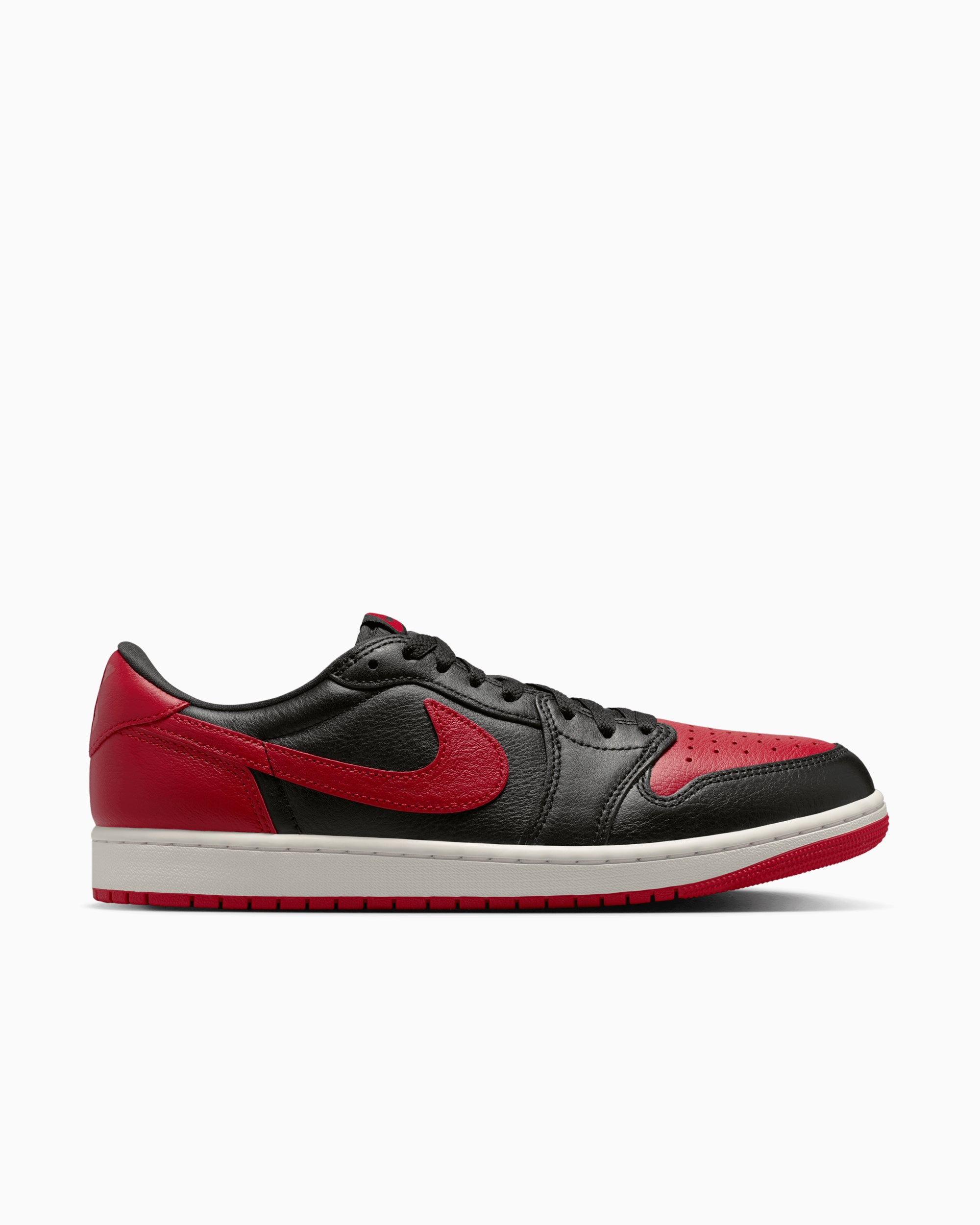
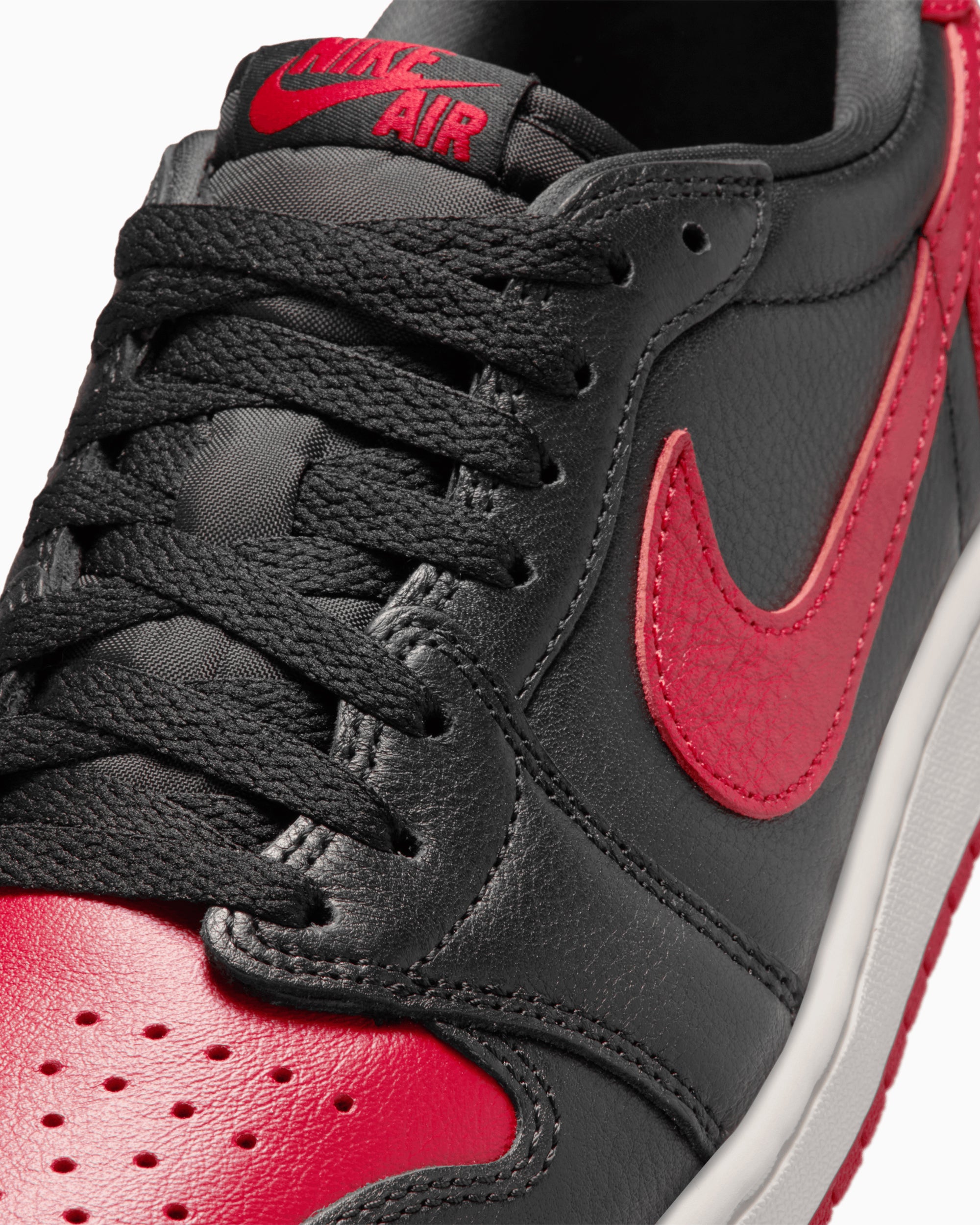
However, things were not easy from the start. At first, Michael Jordan was quite reluctant to wear the first version of the Air Jordan I that Nike presented, claiming he would look like a clown with those colors. After several adjustments, he finally agreed to wear them.
The Air Jordan also faced censorship, as they were temporarily banned from the court for not complying with certain NBA design rules. It was not an easy beginning for the brand, but step by step the legend was already starting to grow.
SOME FUN FACTS
Did you know that a hybrid model was created between the Air Jordan 1 and the Air Jordan 2? The silhouette combined elements from both models and aimed to add extra cushioning to the Air Jordan I design after Michael Jordan broke a bone in his foot during a game in 1985.
Later came the Jordan II, a model whose origin is still quite unknown to many people. The Jordan 2 were manufactured in Italy using Spanish technology, featuring an aesthetic that, although designed in the United States, clearly showed European influences.
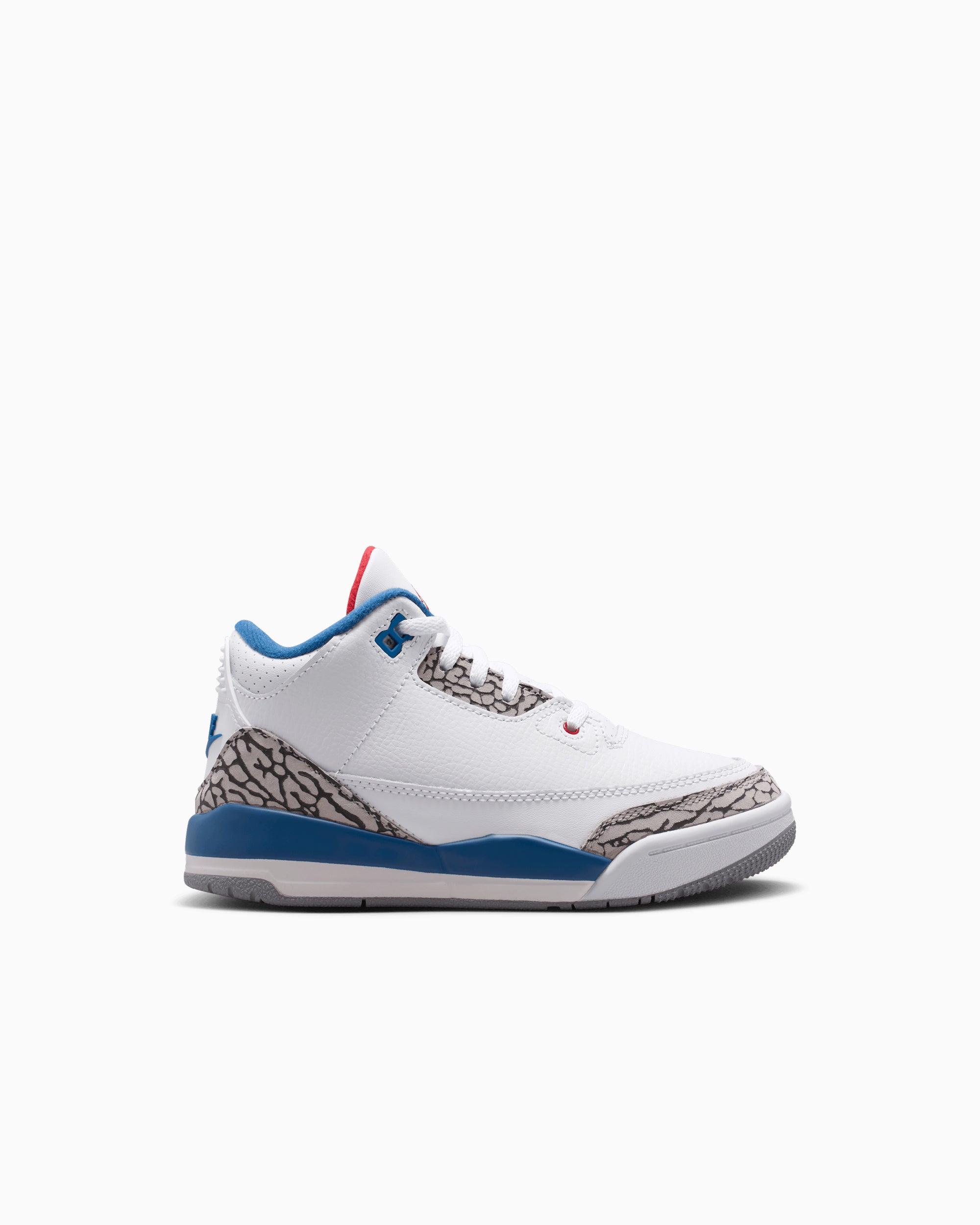
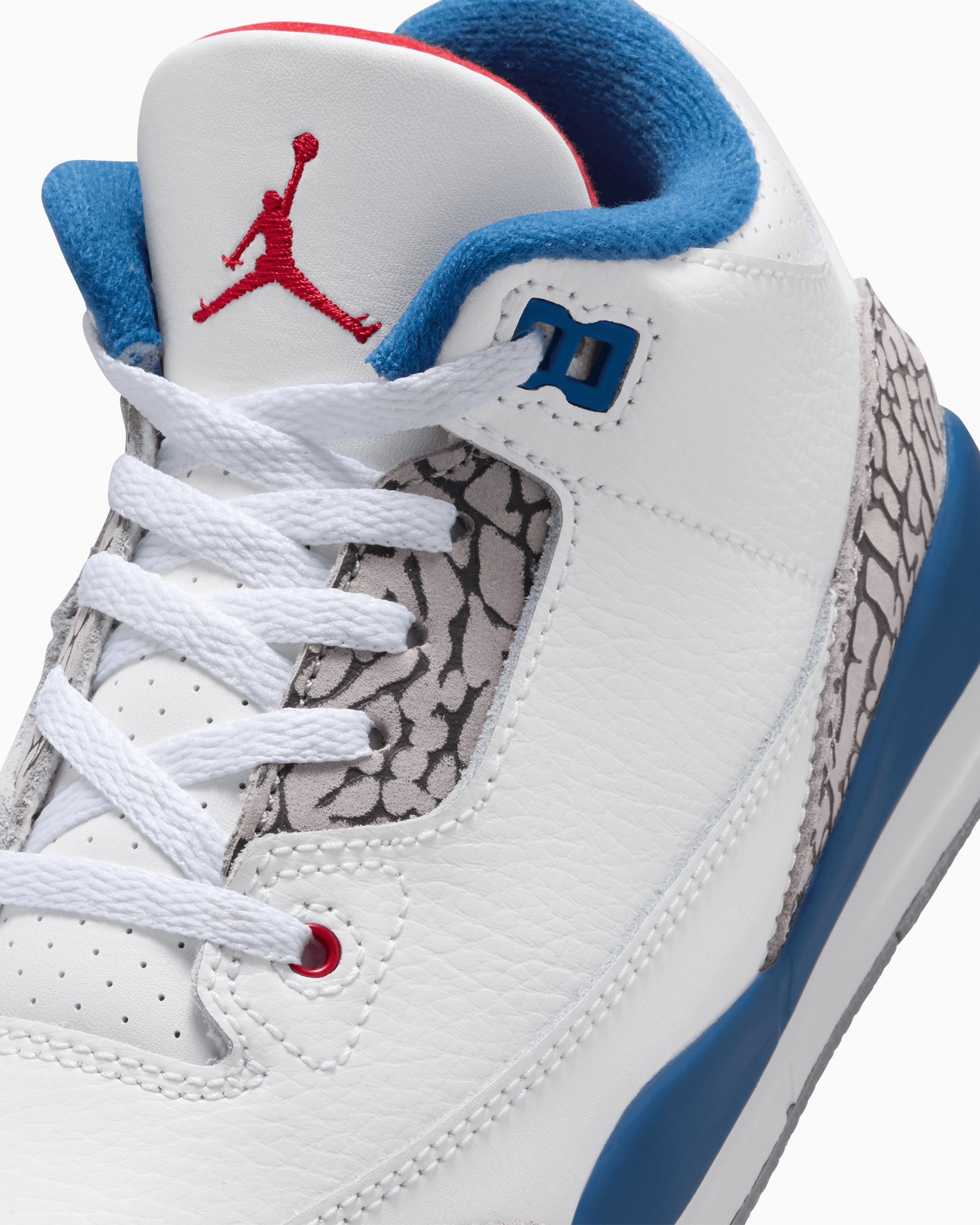
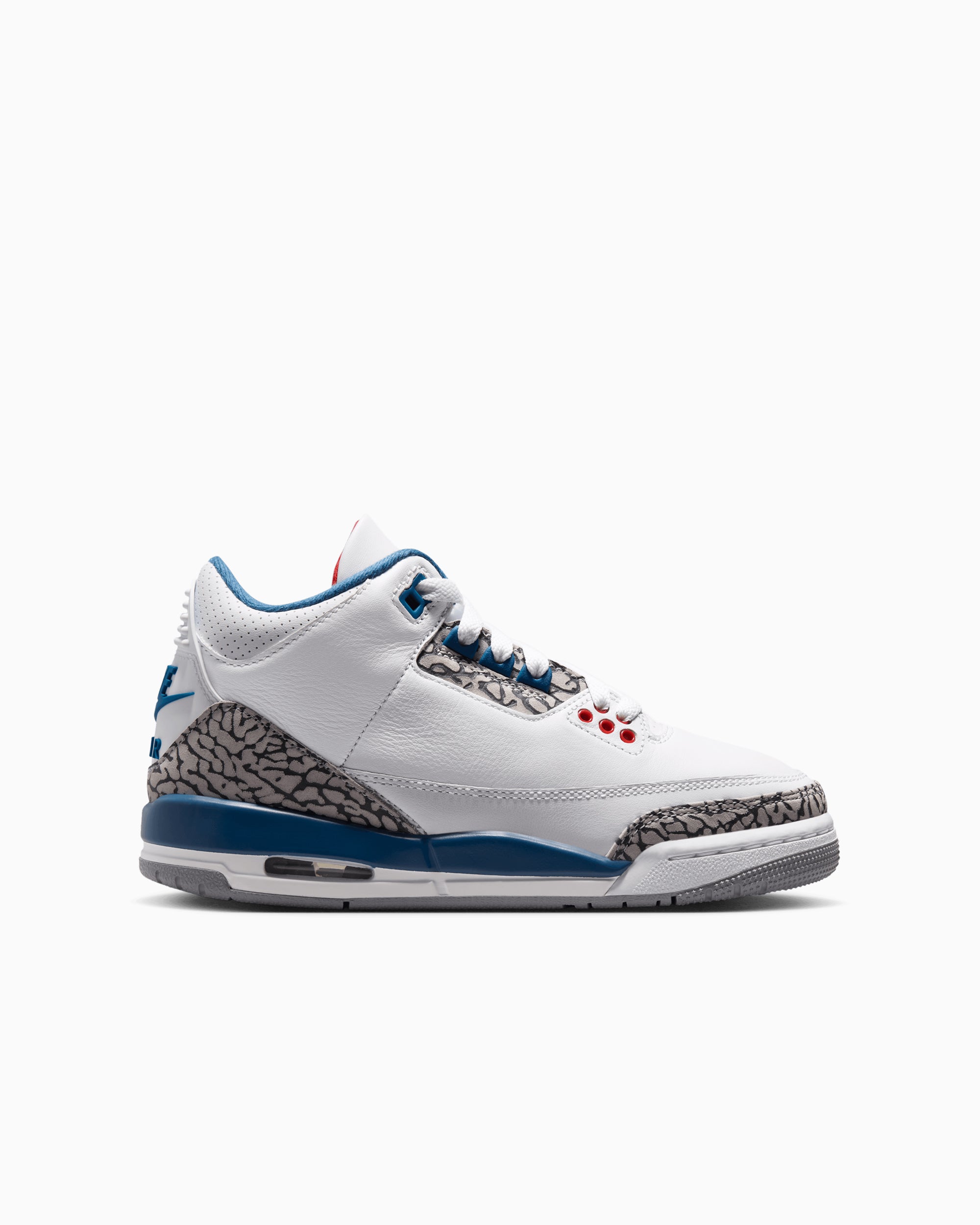
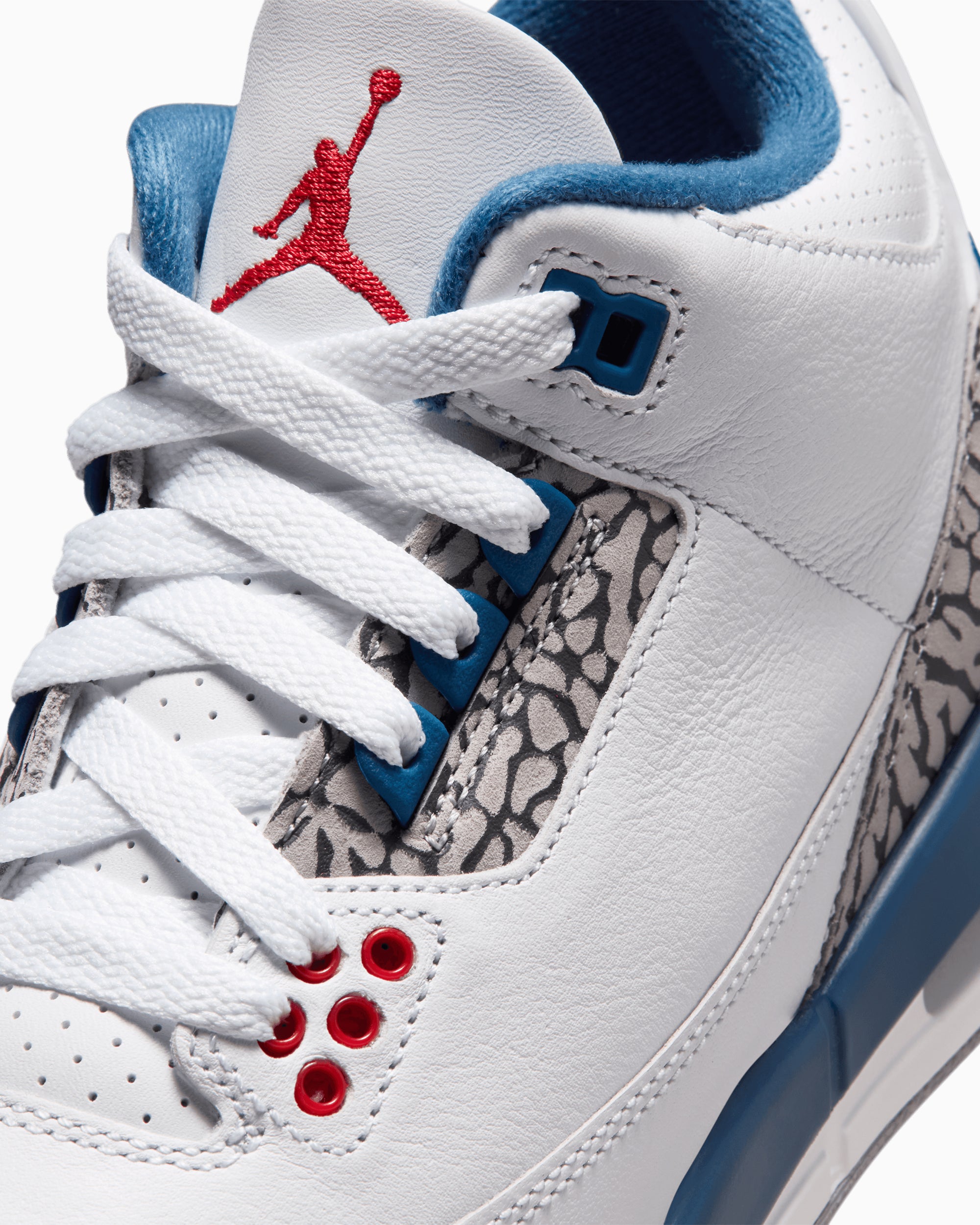
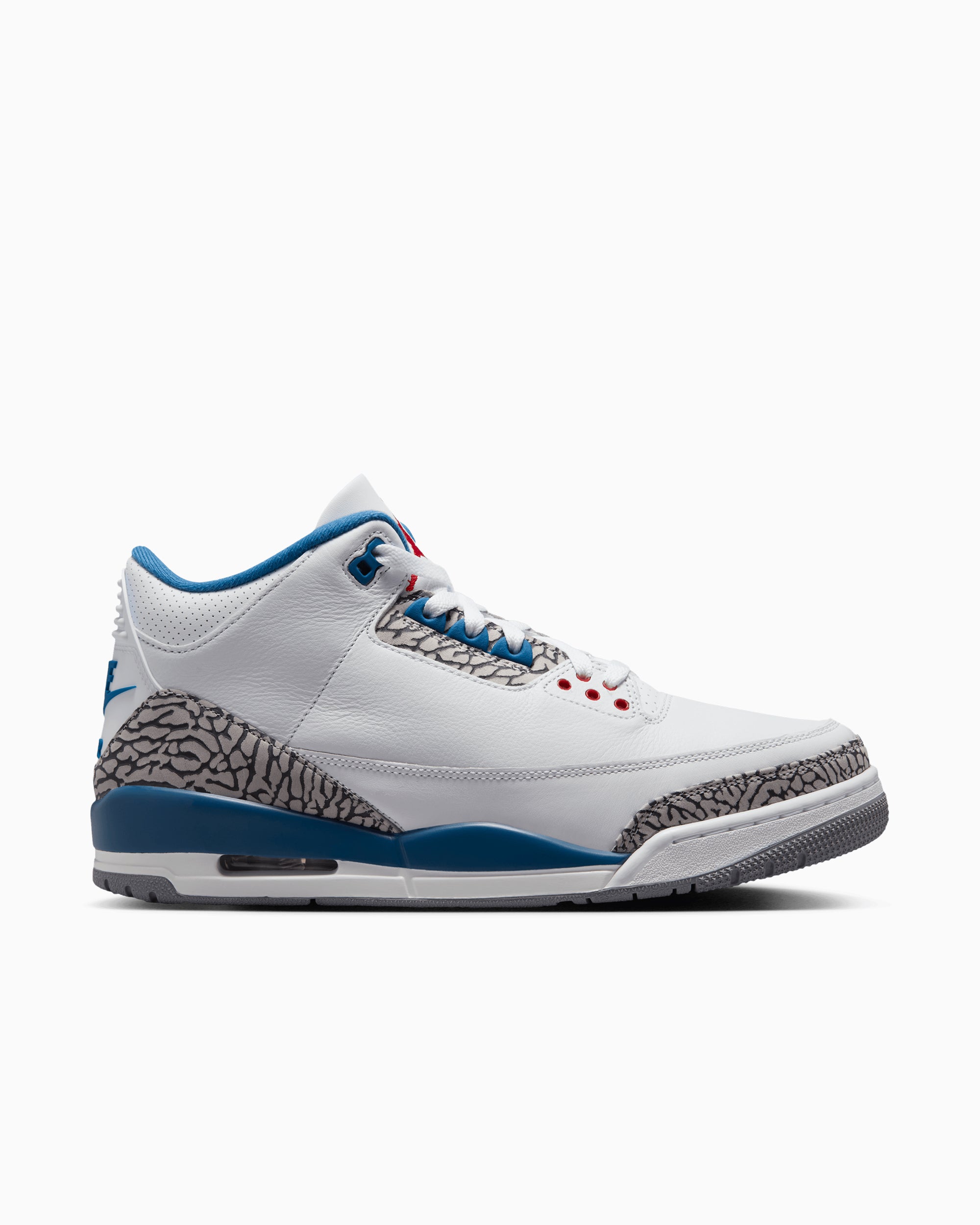
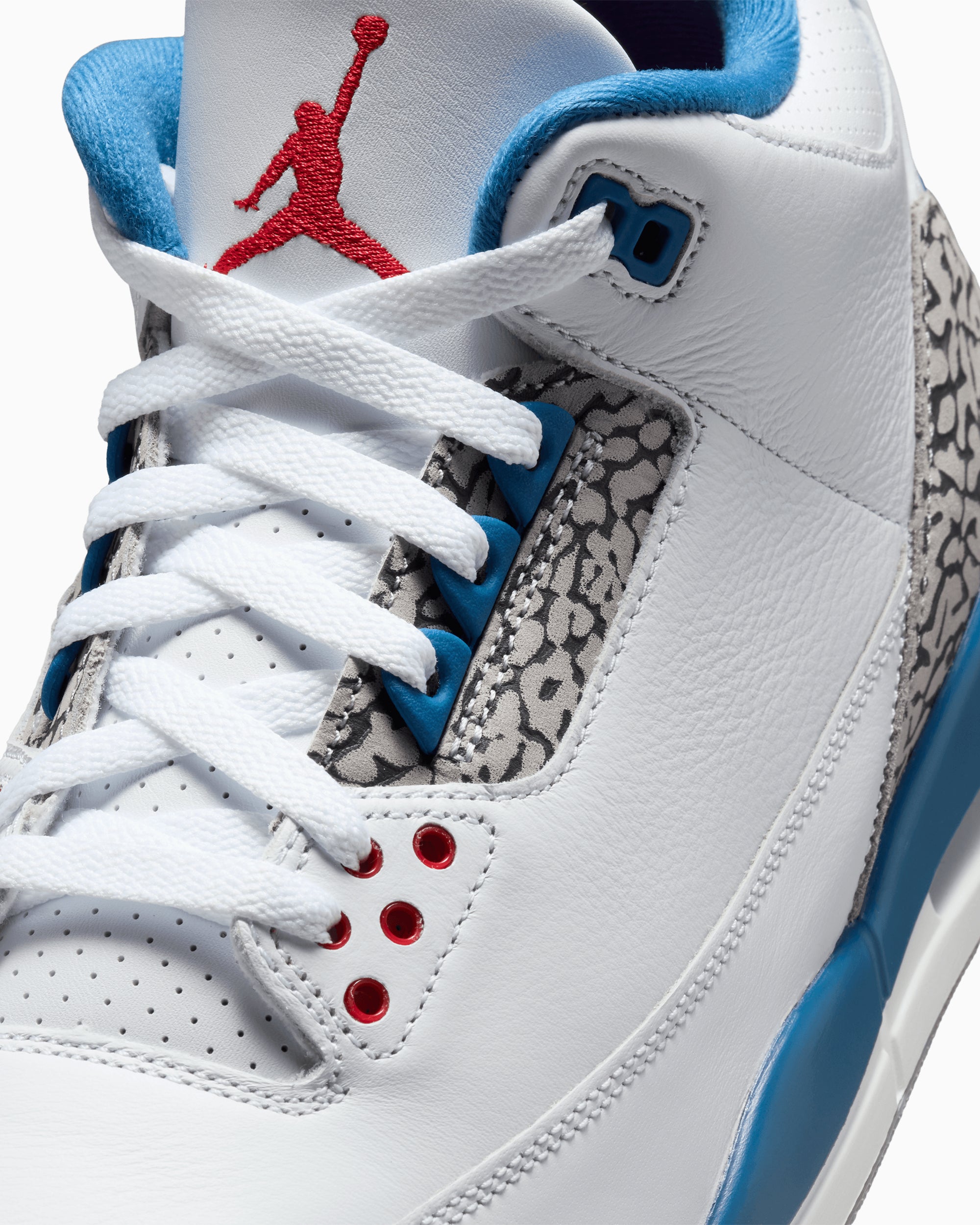
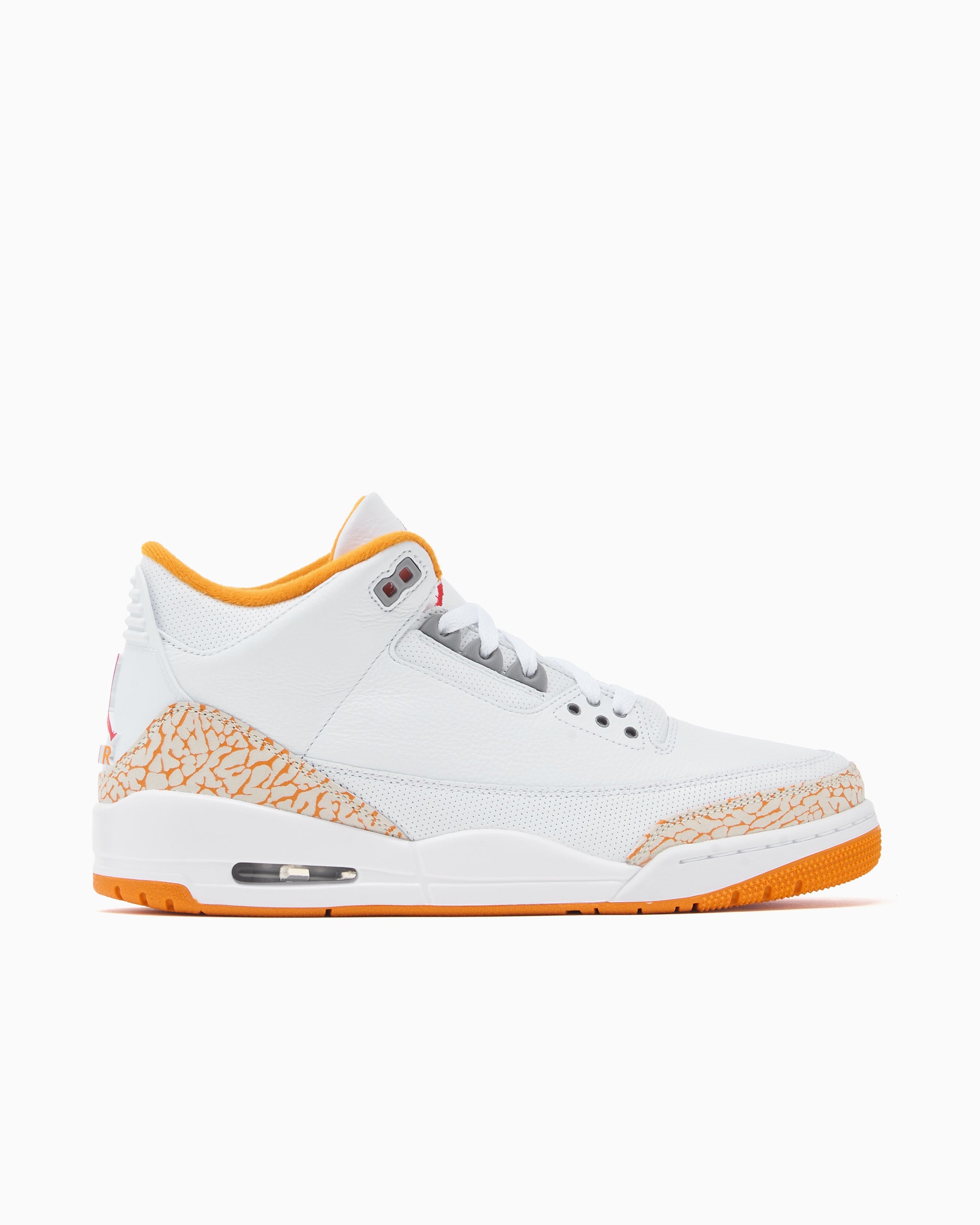
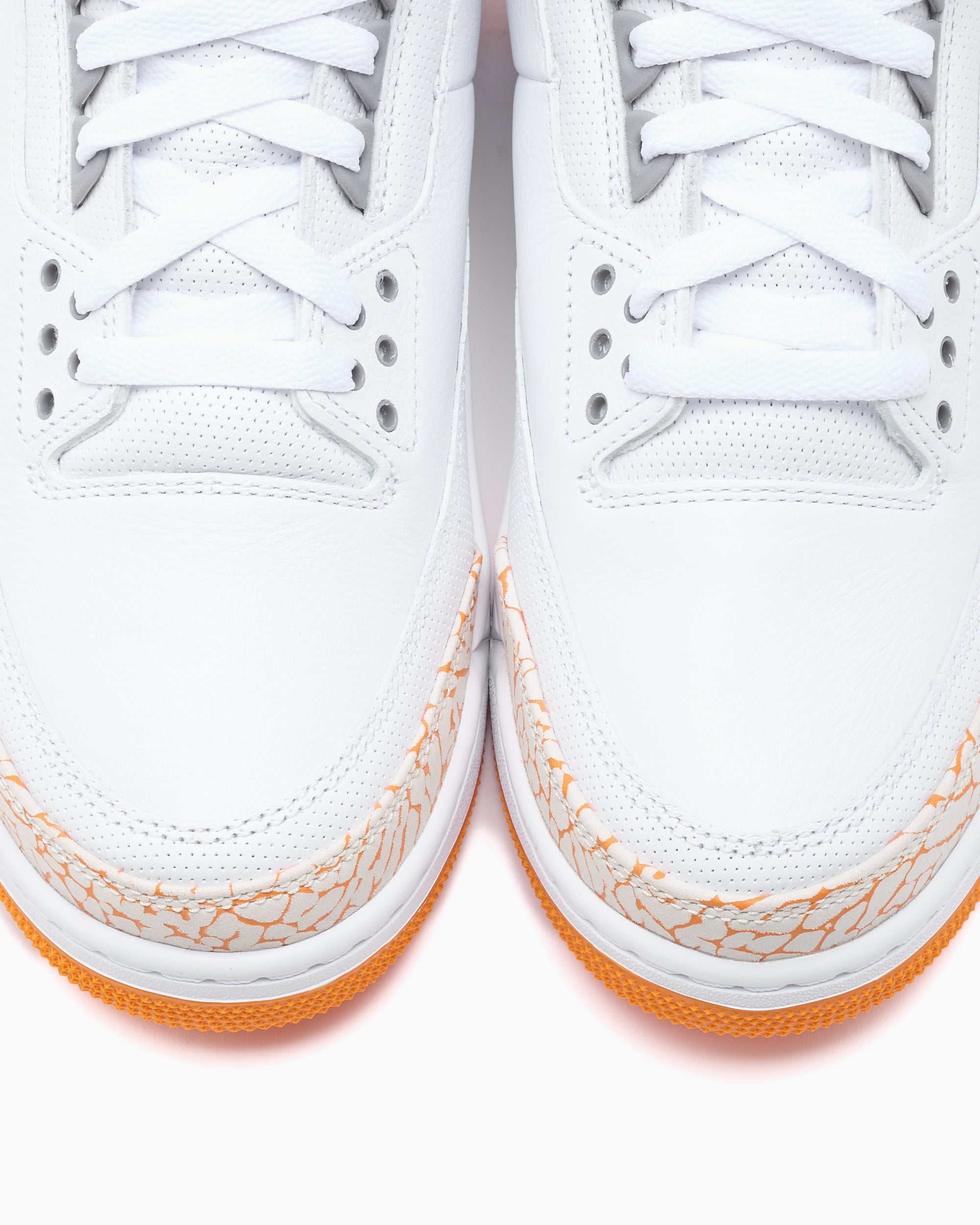
Next came the Jordan 3, which could also have been called “Air Jordan Revolution.” That was the provisional name chosen to highlight the groundbreaking nature of its design. This model introduced the iconic elephant print, which, by the way, was not just a stylistic detail. The Elephant Print on the Air Jordan III improved the durability of the model, making it more resistant to impact and wear.
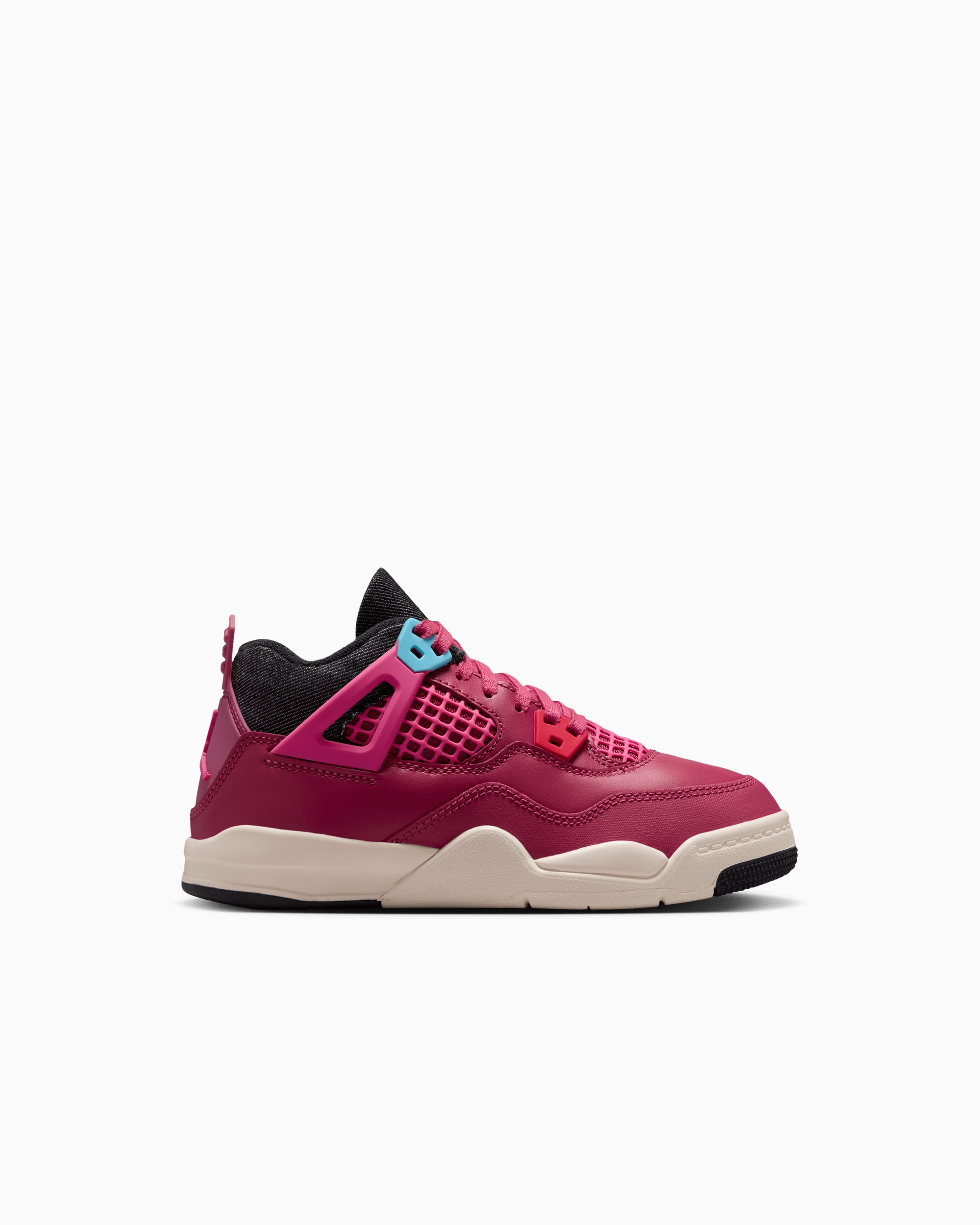
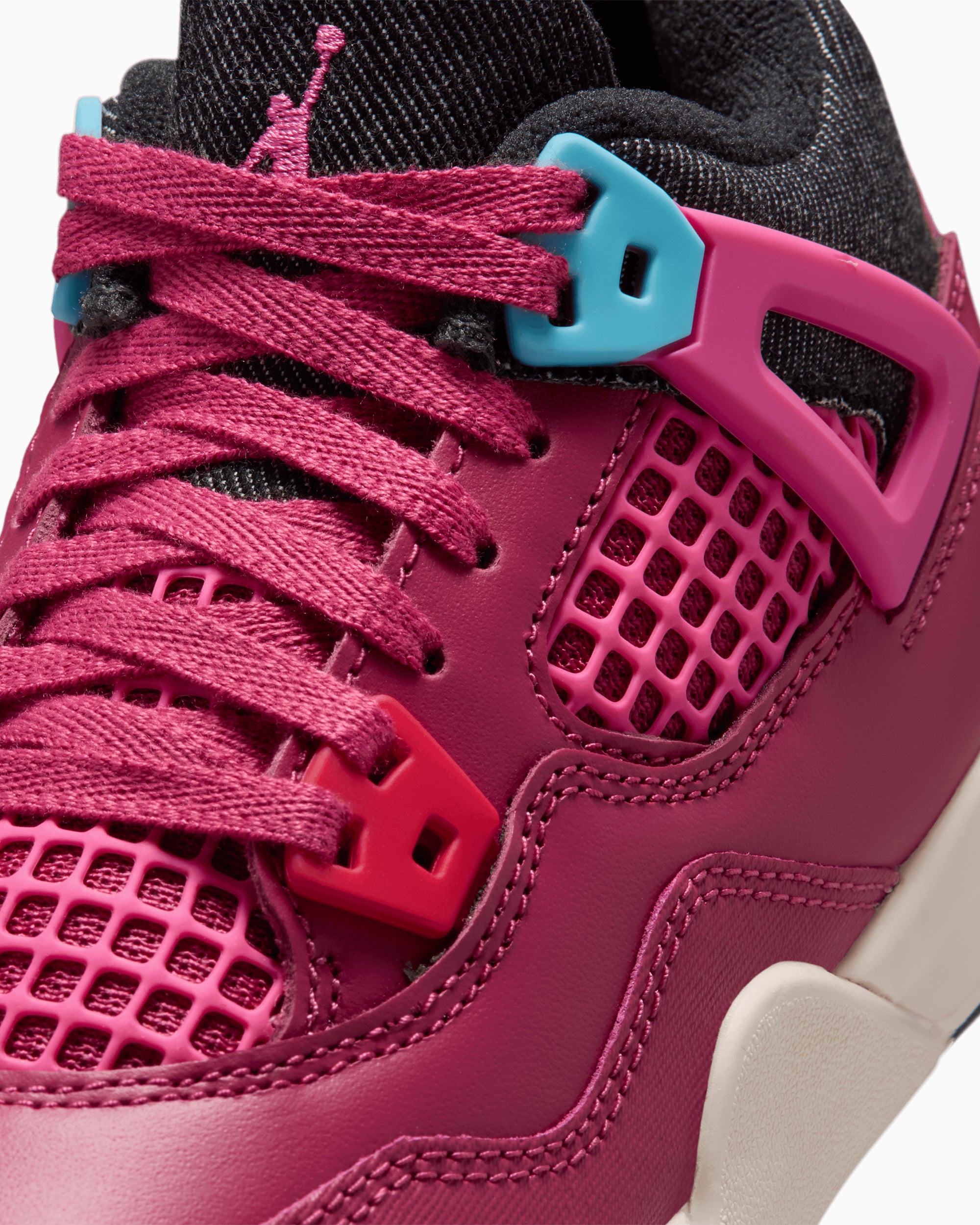
More facts you might not know? The Jordan IV marked the beginning of the Air Jordan Flight Club, previously known as the Air Jordan Fan Club — a new name that fans of His Airness were quite happy with.
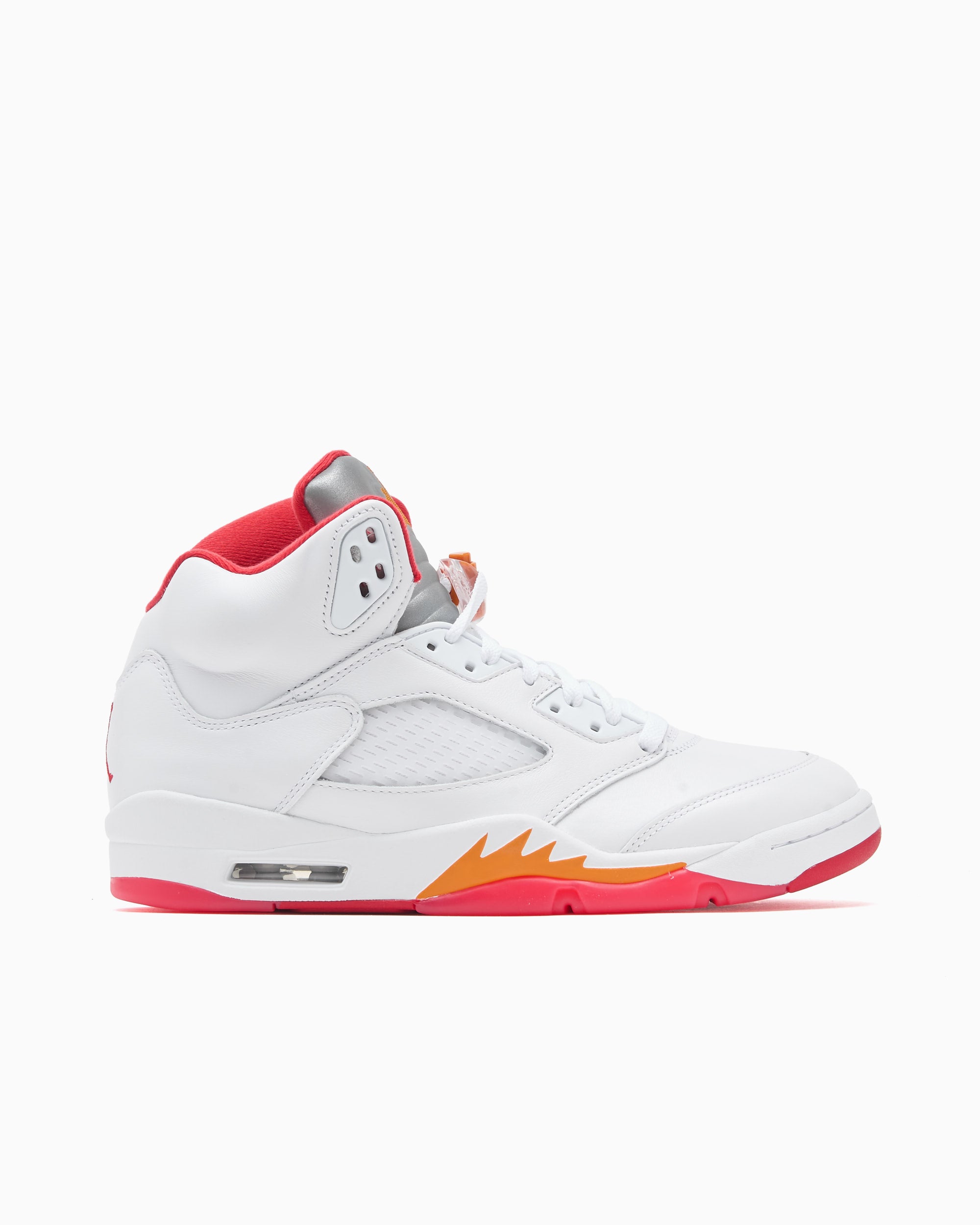
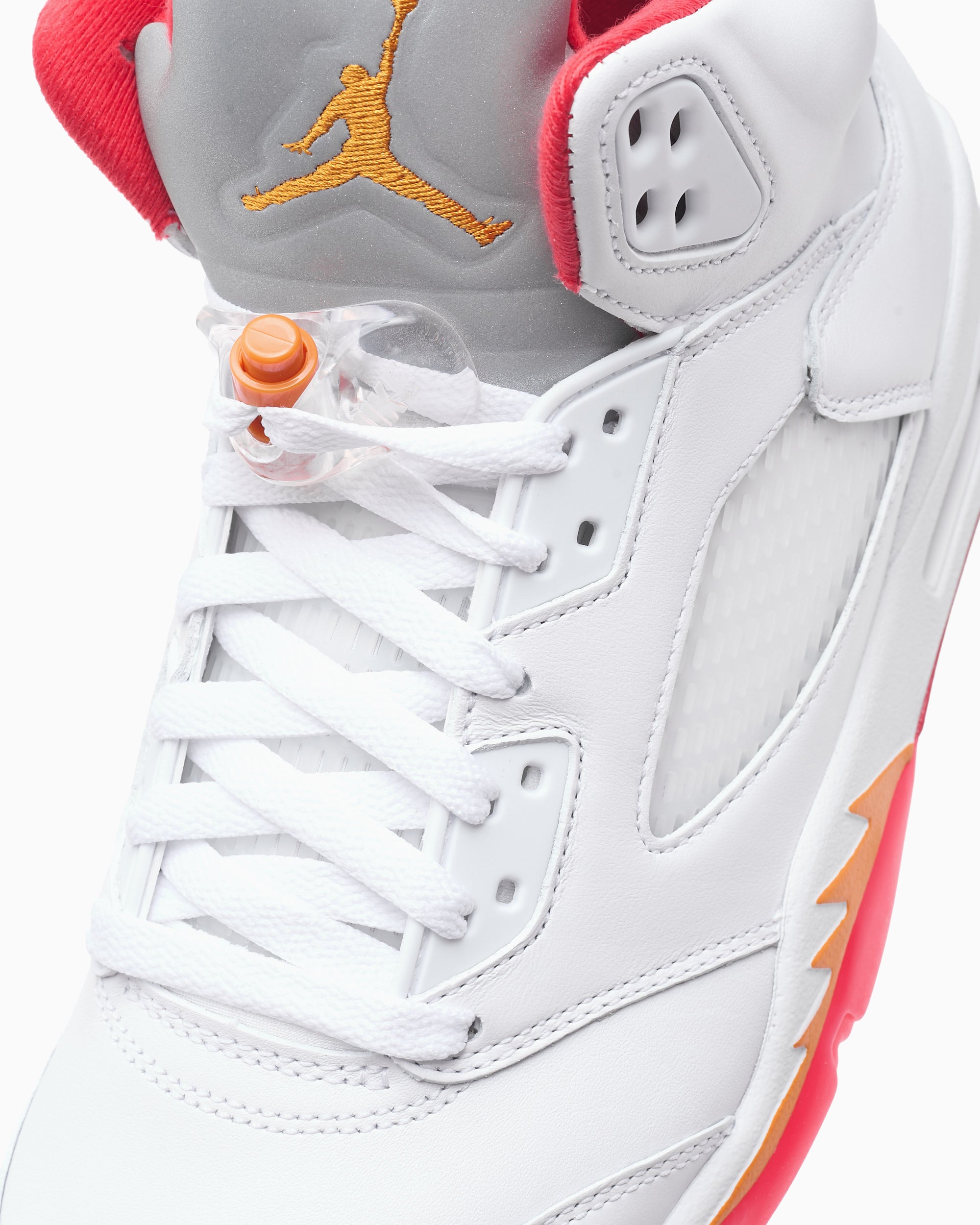
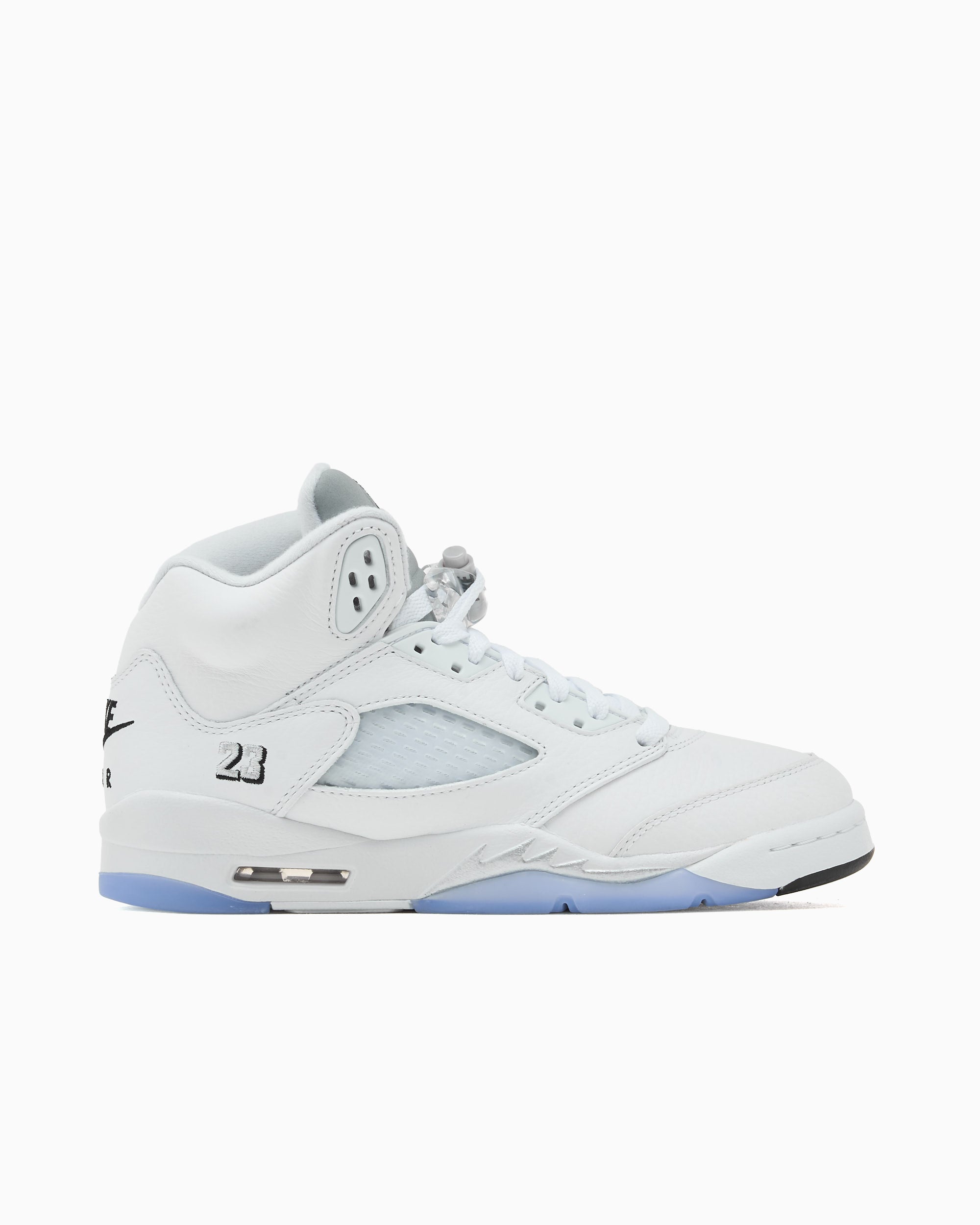
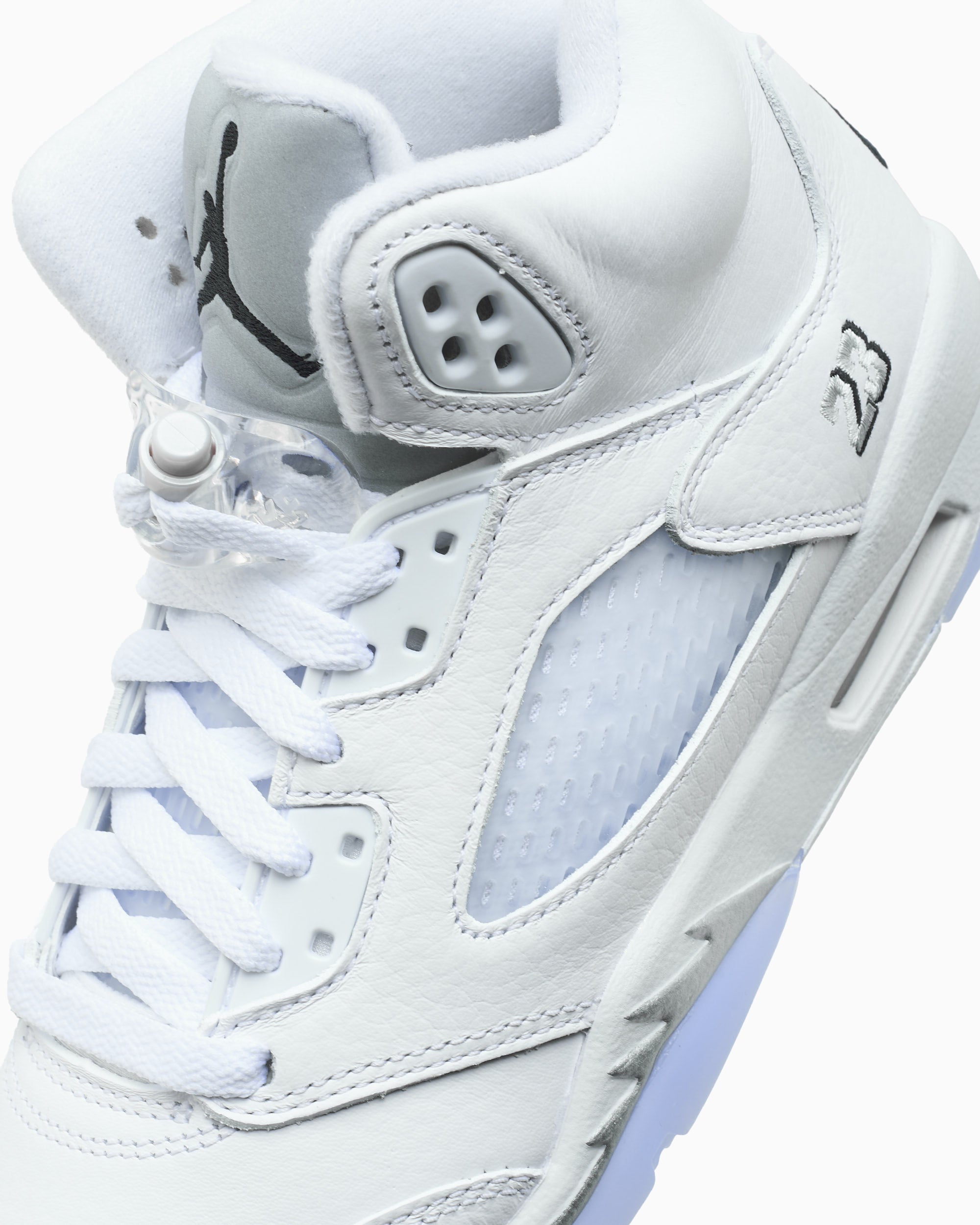
There are many things we could say about the Jordan V, but we’ll highlight one: doesn’t its translucent sole remind you of the Nike Mag? Indeed, that was a key source of inspiration for Tinker Hatfield.
In the case of the Jordan VI, the aesthetic inspiration came from Italian sports cars, and the model even served as the basis for the design of Batman’s boots in the film Batman Returns.
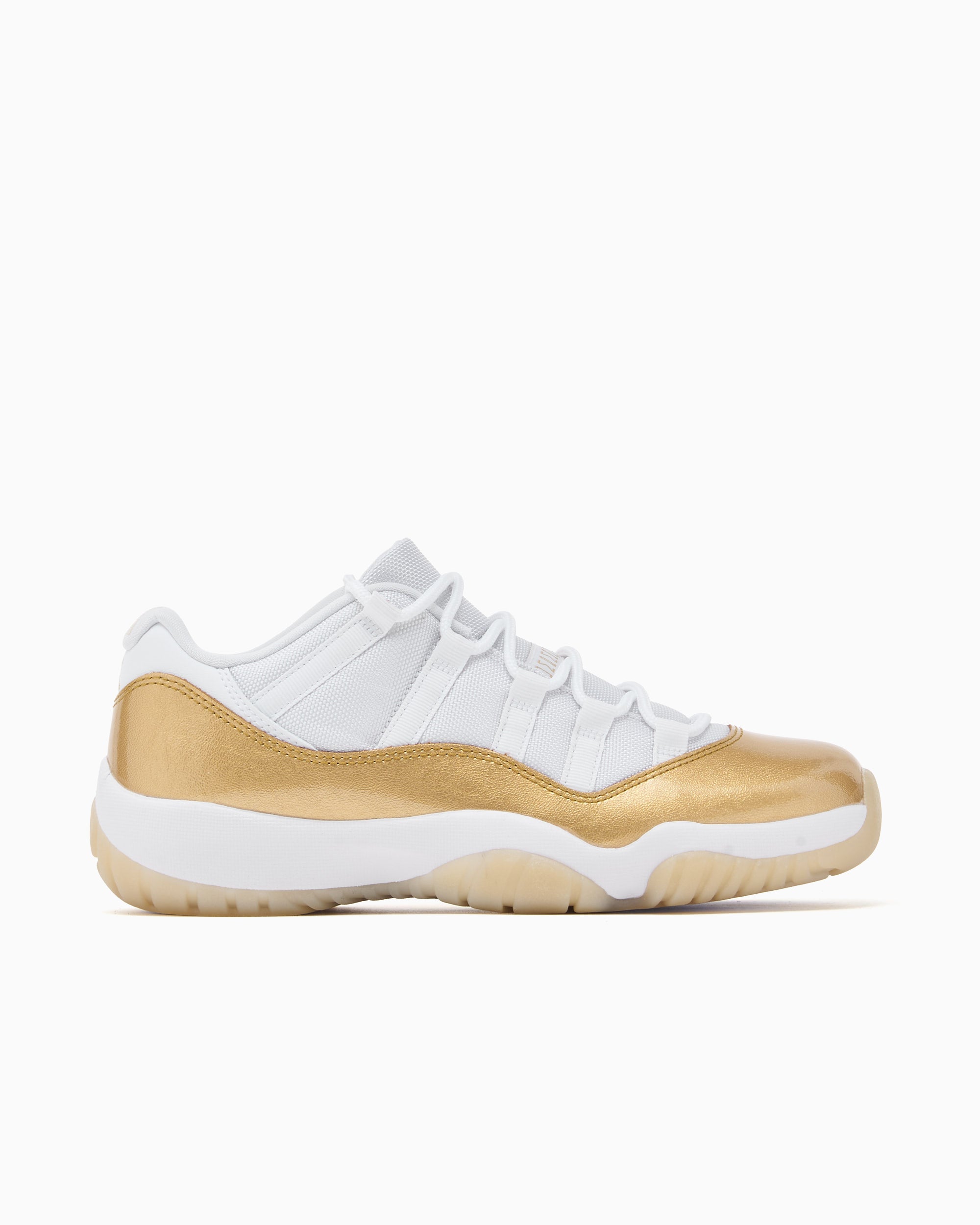
With the Air Jordan VII we say goodbye to the Swoosh, and with the Jordan XI, Spike Lee fell in love with the model like never before.
Each silhouette from Jordan Brand — and every version released — hides countless interesting details in its design, history, and evolution. A wide range of fascinating information for any true sneakerhead.
Now do you understand why Jordan sneakers have become such an icon?